
 17 Oct 2026









Postponed Talks and Emerging Threats: Ukraine Becomes a Hub of Strike Drone Expertise
The planned peace talks between Ukraine, Russia, and the United States, which were intended to be another attempt to stabilize the conflict, have been postponed. Ukrainian President Volodymyr Zelenskyy explained the delay by stating that the current international agenda, particularly the escalation of the conflict in the Middle East involving Iran, is diverting the attention of world leaders and hindering the holding of trilateral consultations. This decision highlights the complexity of conducting diplomacy amid simultaneous crises, where the resources and political energy of key players are stretched across multiple hotspots.
The cancellation of the talks may have several consequences for Ukraine. First, it temporarily reduces pressure on Moscow from international mediators, giving the Russian side room for military and political maneuvers. Second, for Kyiv, it means the need to continue its own defense efforts without additional guarantees of international support in the near future. Experts note that such shifts in the diplomatic schedule create uncertainty that may affect defense planning, especially on the eastern and southern fronts.
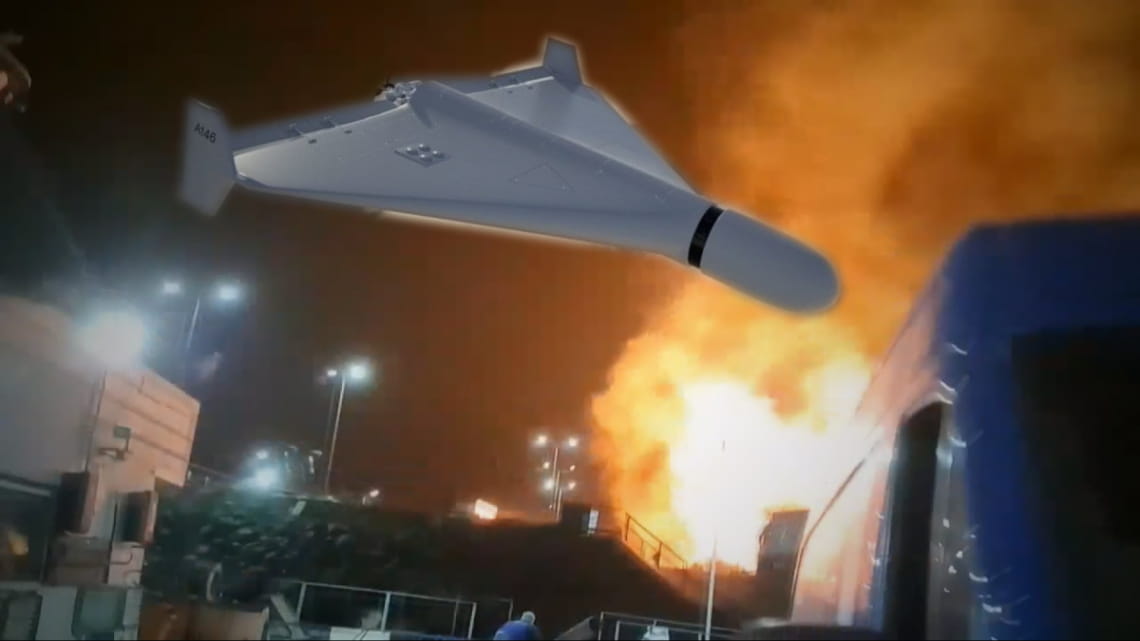
At the same time, Ukraine is actively using international channels to share expertise in countering unmanned aerial vehicles (UAVs), including strike drones. Drawing on years of experience combating UAVs on the conflict fronts with Russia, Ukrainian forces have developed practical tactics that enable them to effectively detect, intercept, and neutralize drone threats with minimal losses. Sharing this experience with Western countries, including NATO members and security partners, is especially important amid growing threats from Iran and affiliated groups.
Analysts emphasize that such knowledge exchange not only strengthens the defensive capabilities of Ukraine’s allies but also establishes the country as a kind of “center of expertise” in countering strike UAVs. This opens additional opportunities for strategic cooperation with Western partners, including the supply of electronic warfare technologies, integration of air defense systems, and training of specialists under modern conflict conditions.
Moreover, the focus on the Iranian threat indicates that Ukraine views the conflict in a broader geopolitical context, where neighboring regions and global players directly influence security in Europe. This approach allows Kyiv to formulate a comprehensive strategy: simultaneously conducting military operations in the east, defending its interests diplomatically, and developing competencies that may be in demand on the international stage as an expert in countering emerging threats.
Thus, while the postponement of the peace talks creates short-term uncertainty, Ukraine’s active work in sharing expertise and integrating innovative defense methods strengthens the country’s long-term position as a regional and international player in security matters.


 Latest news
Latest news
Latest newsBulgaria Asks NATO to Strengthen Its Defences Amid Black Sea Threats: Sofia Fears Growing Risks to Maritime Shipping
16.Oct.2026
Black Sea Shipping Risks Threaten Bulgaria’s 5 Million Tonnes of Wheat Exports
15.Oct.2026
Georgia’s Foreign Funding and Political Ban Laws Draw Criticism from the Venice Commission
15.Oct.2026
Kazakhstan Promotes a Caspian Green Energy Corridor: Astana Seeks New Routes to the European Market
14.Oct.2026
Inflation in Romania Accelerates to 6.61%: Rising Prices Increase Pressure on Households and the Economy
13.Oct.2026
Can Europe Protect the International Criminal Court from Trump’s Sanctions?
13.Oct.2026
Georgia’s Constitutional Court Continues Case on Banning Opposition Parties: Political Pluralism at Stake
12.Oct.2026
Azerbaijan and Iran Step Up Security Contacts Amid Hijab Protests
12.Oct.2026
Personnel Shortages Complicate Ukrainian Forces’ Rotation: Ukraine Faces Long-Term Challenges on the Front Line
11.Oct.2026
Trump Eases Sanctions on Russian Fuel After Talks with Putin: Kyiv Fears Boost to Moscow’s War Revenues
10.Oct.2026
Putin Seeks to Strengthen Russia’s Influence in the Post-Soviet Space Through the CIS
10.Oct.2026
Russia and the South Caucasus: External Pressure, Political Competition and a Crisis of Trust
10.Oct.2026
Peaceful Settlement Between Armenia and Azerbaijan: Moving from Declarations to Implementation
10.Oct.2026
Moldova Ready to Accept as Many Ukrainians as Necessary if Situation Worsens This Winter
09.Oct.2026
Turkmenistan Turns Avaza into a Regional Diplomatic Hub as Caspian, Central Asian and CIS Agendas Converge
08.Oct.2026