
 17 Oct 2026









Russian nuclear-powered sub enters service amid arms control fears
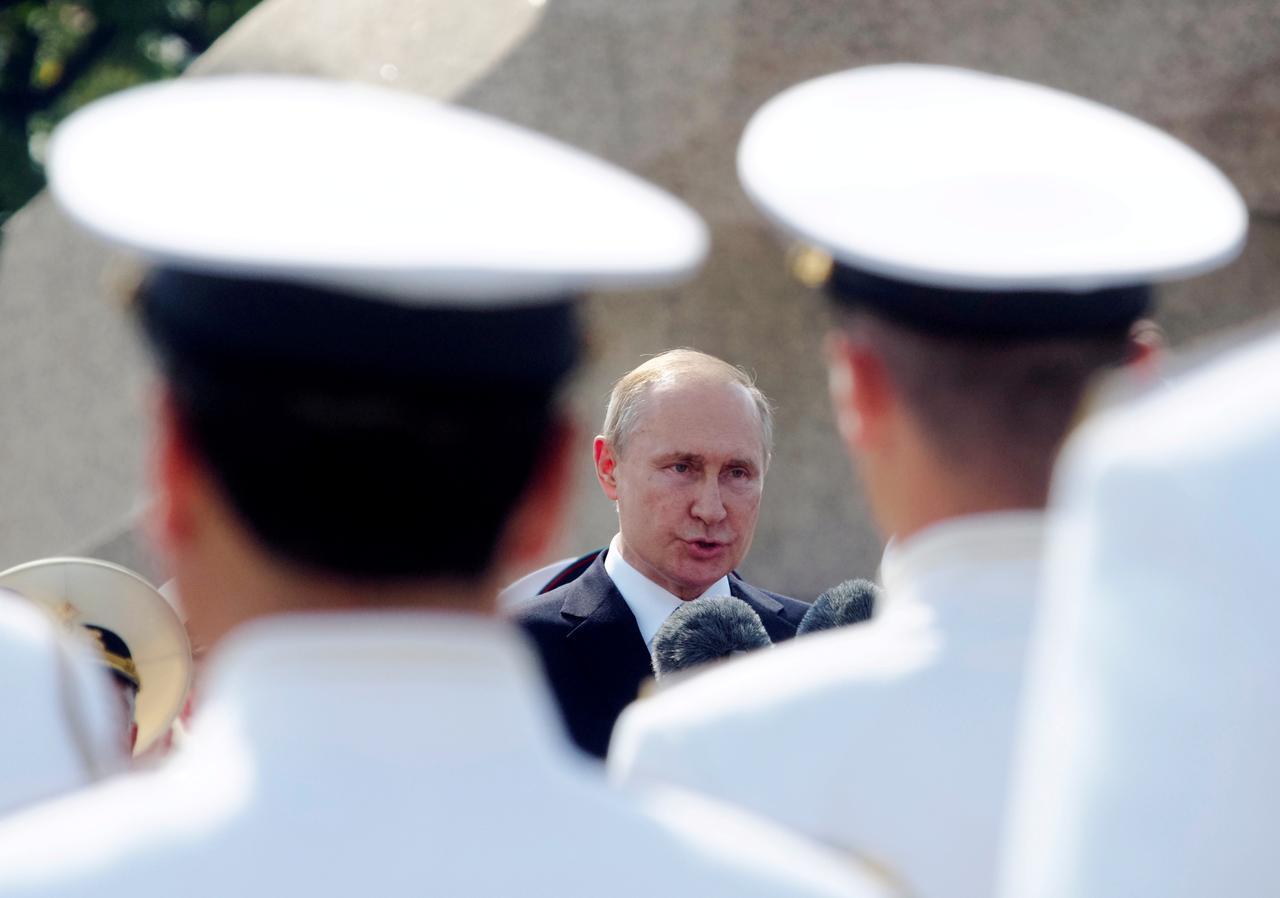
Russia’s most-advanced new nuclear-powered submarine entered service on Friday, the defence ministry said, at a time of growing arms control tensions between Moscow and the West, Reuters reports.
The Knyaz Vladimir (Prince Vladimir) - designed to carry Bulava intercontinental nuclear missiles - was enrolled into the navy during Friday’s Russia Day celebrations.
The announcement comes against the background of a rift with Western powers over Ukraine and fears of a burgeoning arms race following the demise of a landmark Cold War-era nuclear pact.
The Borei-A (Boreas) class submarine is named after a ruler of the medieval Kievan Rus, the territory in modern-day Ukraine from which the Russian state would later emerge.
The first upgraded 955A model to be produced in the Borei class is one of the centrepieces in President Valdimir Putin’s plans to upgrade the nuclear-powered fleet.
The Borei submarine project, started shortly after the fall of the Soviet Union, had long been plagued by shortages of cash and failures during tests of the Bulava missile.
The global arms control architecture erected during the Cold War to keep Washington and Moscow in check has come under strain since the demise of the Intermediate-Range Nuclear Forces Treaty.
In August last year, the United States pulled out of the accord that banned the deployment of short and intermediate range missiles, accusing Moscow of flouting it, something Russia denies.
The last major nuclear arms control treaty between Russia and the United States, the New START treaty, is due to expire in 2021. It limits the number of strategic nuclear warheads the world’s two biggest nuclear powers can deploy.


 Latest news
Latest news
Latest newsBulgaria Asks NATO to Strengthen Its Defences Amid Black Sea Threats: Sofia Fears Growing Risks to Maritime Shipping
16.Oct.2026
Black Sea Shipping Risks Threaten Bulgaria’s 5 Million Tonnes of Wheat Exports
15.Oct.2026
Georgia’s Foreign Funding and Political Ban Laws Draw Criticism from the Venice Commission
15.Oct.2026
Kazakhstan Promotes a Caspian Green Energy Corridor: Astana Seeks New Routes to the European Market
14.Oct.2026
Inflation in Romania Accelerates to 6.61%: Rising Prices Increase Pressure on Households and the Economy
13.Oct.2026
Can Europe Protect the International Criminal Court from Trump’s Sanctions?
13.Oct.2026
Georgia’s Constitutional Court Continues Case on Banning Opposition Parties: Political Pluralism at Stake
12.Oct.2026
Azerbaijan and Iran Step Up Security Contacts Amid Hijab Protests
12.Oct.2026
Personnel Shortages Complicate Ukrainian Forces’ Rotation: Ukraine Faces Long-Term Challenges on the Front Line
11.Oct.2026
Trump Eases Sanctions on Russian Fuel After Talks with Putin: Kyiv Fears Boost to Moscow’s War Revenues
10.Oct.2026
Putin Seeks to Strengthen Russia’s Influence in the Post-Soviet Space Through the CIS
10.Oct.2026
Russia and the South Caucasus: External Pressure, Political Competition and a Crisis of Trust
10.Oct.2026
Peaceful Settlement Between Armenia and Azerbaijan: Moving from Declarations to Implementation
10.Oct.2026
Moldova Ready to Accept as Many Ukrainians as Necessary if Situation Worsens This Winter
09.Oct.2026
Turkmenistan Turns Avaza into a Regional Diplomatic Hub as Caspian, Central Asian and CIS Agendas Converge
08.Oct.2026