
 17 Oct 2026









Erdogan and Radev Discuss Black Sea Security and Defense Cooperation
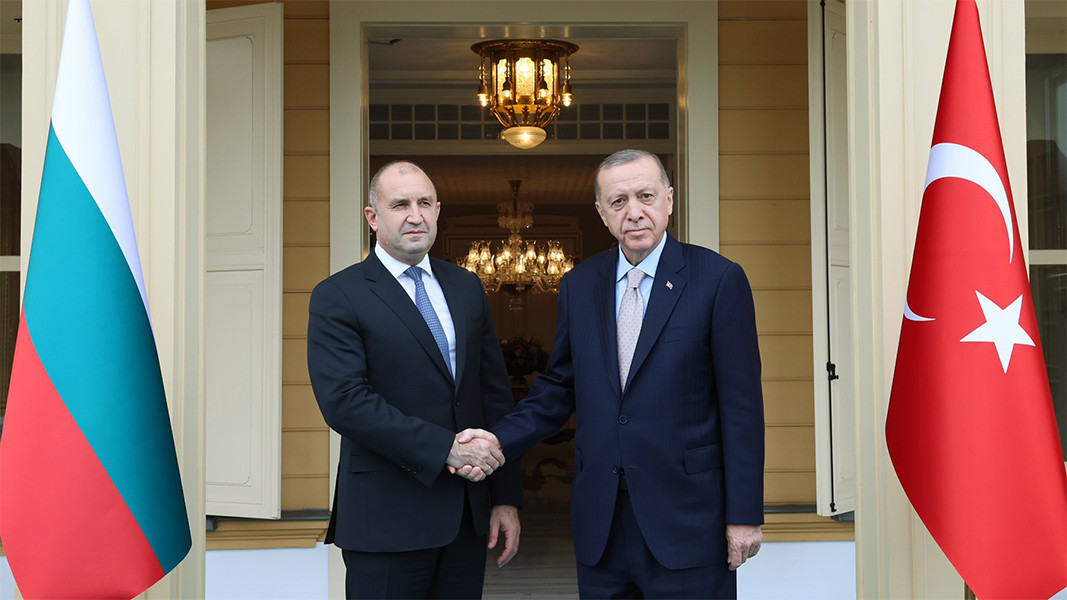
On the sidelines of the NATO Summit, Turkish
President Recep Tayyip Erdogan held talks with Bulgarian President Rumen Radev, during
which the two leaders reaffirmed their commitment to expanding bilateral
cooperation in trade, transport, energy, the defense industry, and regional
security. The meeting took place amid growing attention from NATO allies to
strengthening the Alliance's southeastern flank and enhancing security in the
Black Sea region.
According to the Turkish Presidency, the leaders discussed
further development of economic ties, increasing bilateral trade, modernizing
transport corridors between the two countries, and expanding cooperation in the
energy sector. Particular attention was given to joint projects in the defense
industry, where Turkiye has significantly strengthened its position in recent
years through the development of its domestic defense sector, including the
production of unmanned aerial vehicles, armored vehicles, naval platforms, and
advanced communications systems.
The two sides also exchanged views on security in the Black
Sea, which has become strategically important for NATO since the outbreak of Russia's
full-scale war against Ukraine. Bulgaria and Turkiye are key members of NATO's
southeastern flank and play an active role in regional initiatives aimed at
enhancing maritime surveillance, mine countermeasures, protecting critical
infrastructure, and ensuring the security of maritime navigation. Ankara
continues to play a unique role in the region as the state controlling the
Bosporus and Dardanelles straits under the Montreux Convention, while Sofia
consistently supports strengthening NATO's collective defense and increasing
the Alliance's presence along its eastern flank.
The
talks also took place against the backdrop of steadily growing economic
cooperation between the two neighboring countries. Turkiye remains one of
Bulgaria's largest trading partners outside the European Union, with bilateral
trade continuing to increase in recent years. Joint infrastructure projects,
the development of road and rail transport through border crossings, and
cooperation in natural gas and electricity supplies remain key pillars of the
bilateral partnership.


 Latest news
Latest news
Latest newsBulgaria Asks NATO to Strengthen Its Defences Amid Black Sea Threats: Sofia Fears Growing Risks to Maritime Shipping
16.Oct.2026
Black Sea Shipping Risks Threaten Bulgaria’s 5 Million Tonnes of Wheat Exports
15.Oct.2026
Georgia’s Foreign Funding and Political Ban Laws Draw Criticism from the Venice Commission
15.Oct.2026
Kazakhstan Promotes a Caspian Green Energy Corridor: Astana Seeks New Routes to the European Market
14.Oct.2026
Inflation in Romania Accelerates to 6.61%: Rising Prices Increase Pressure on Households and the Economy
13.Oct.2026
Can Europe Protect the International Criminal Court from Trump’s Sanctions?
13.Oct.2026
Georgia’s Constitutional Court Continues Case on Banning Opposition Parties: Political Pluralism at Stake
12.Oct.2026
Azerbaijan and Iran Step Up Security Contacts Amid Hijab Protests
12.Oct.2026
Personnel Shortages Complicate Ukrainian Forces’ Rotation: Ukraine Faces Long-Term Challenges on the Front Line
11.Oct.2026
Trump Eases Sanctions on Russian Fuel After Talks with Putin: Kyiv Fears Boost to Moscow’s War Revenues
10.Oct.2026
Putin Seeks to Strengthen Russia’s Influence in the Post-Soviet Space Through the CIS
10.Oct.2026
Russia and the South Caucasus: External Pressure, Political Competition and a Crisis of Trust
10.Oct.2026
Peaceful Settlement Between Armenia and Azerbaijan: Moving from Declarations to Implementation
10.Oct.2026
Moldova Ready to Accept as Many Ukrainians as Necessary if Situation Worsens This Winter
09.Oct.2026
Turkmenistan Turns Avaza into a Regional Diplomatic Hub as Caspian, Central Asian and CIS Agendas Converge
08.Oct.2026