
 17 Oct 2026









Strike on Europe's Largest NPP: A New Round of Tension Around the Zaporizhzhia Station
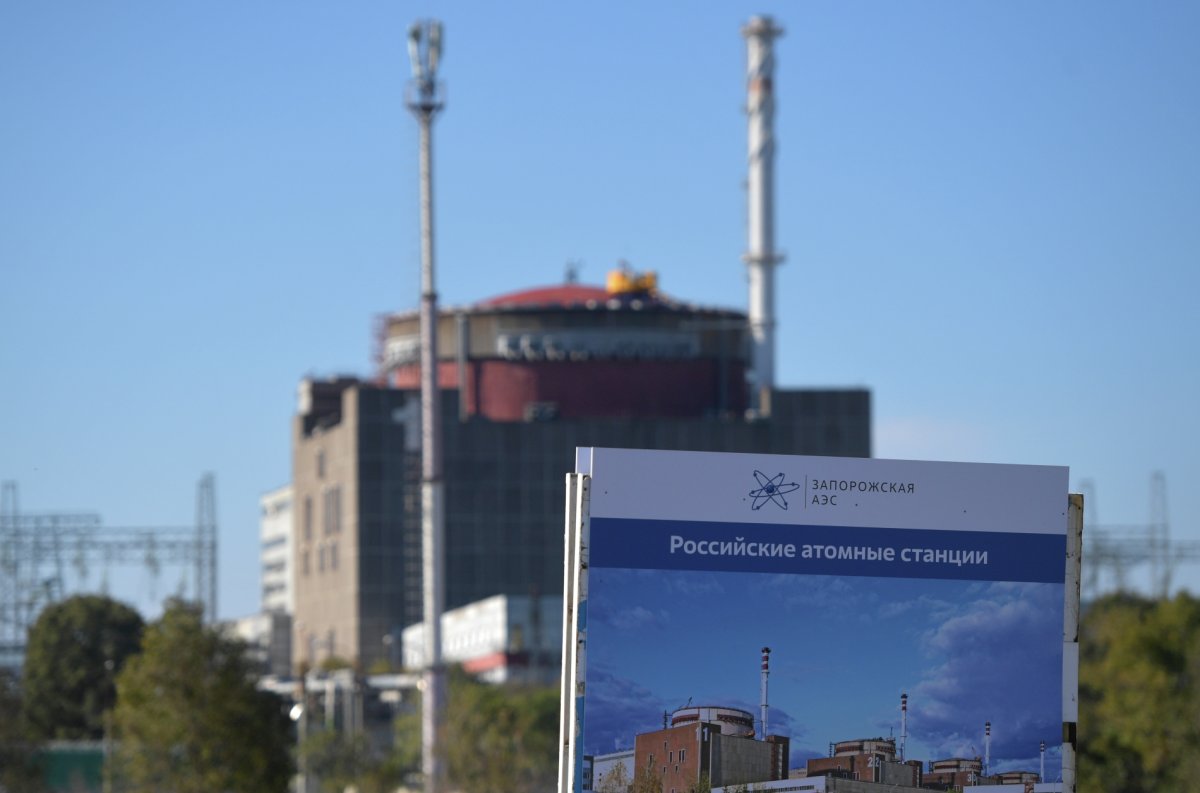
The situation around the Zaporizhzhia Nuclear Power Plant has once again found itself at the center of international attention following reports of an alleged drone attack on the facility. The Russian state corporation Rosatom stated that on May 30, a Ukrainian strike drone hit the turbine hall of the station's sixth power unit, which is under Russian control. According to the head of the company, Alexey Likhachev, the explosion created a hole in the wall of the building; however, key equipment and safety systems were not damaged.
The Ukrainian side rejected the accusations, calling them an element of Russian propaganda. Kyiv stated that Ukrainian forces act in accordance with the norms of international humanitarian law and did not strike the facility. The Ukrainian military also emphasized that no active combat operations were being conducted in the area of the station at the time of the alleged incident.
The Zaporizhzhia NPP remains one of the most sensitive objects of the war since its transition under Russian control in the spring of 2022. The station, which is the largest nuclear power plant in Europe, is located in close proximity to the front line, which for several years has caused concern among international organizations and nuclear safety experts. Any incident on its territory automatically acquires not only military, but also global significance.
Of particular concern is the fact that this is not the first such episode in recent months. In early May, the International Atomic Energy Agency reported damage to radiation monitoring equipment on the territory of the station following drone activity. At the time, agency inspectors emphasized that any strikes near nuclear facilities pose the risk of a severe accident even in the absence of direct damage to the reactors.
What happened also fits into the broader context of the escalation of the drone war between Russia and Ukraine. In recent weeks, the sides have significantly increased the number of long-range strikes on infrastructure, energy, and military facilities. Against this background, nuclear infrastructure finds itself ever closer to the zone of direct risk.
An equally important factor remains the position of the International Atomic Energy Agency. The organization has repeatedly warned that ongoing combat operations around the station are bringing the situation closer to a dangerous line. Previously, the leadership of Rosatom stated that the situation around the Zaporizhzhia NPP is approaching a "point of no return", pointing to the growing number of attacks in the region.
Although the current strike did not lead to damage to the reactors or cooling systems, the very fact of another incident confirms that the Zaporizhzhia NPP remains one of the most vulnerable points of the war. As long as the front line runs in close proximity to the facility, the risk of an emergency situation will persist, and every new report of attacks will inevitably cause concern not only in Ukraine and Russia, but also far beyond the region.
From an analytical perspective, the current incident is significant not so much because of the actual damage, which turned out to be limited, but rather because of its political and psychological consequences. For Moscow, what happened becomes another argument in favor of statements about the need to strengthen security measures around the station and a demonstration of the threat from Ukraine. For Kyiv, such accusations create the risk of international pressure and require prompt refutation. As a result, every such attack turns into an element of information confrontation, where establishing an independent picture of events is extremely difficult.


 Latest news
Latest news
Latest newsBulgaria Asks NATO to Strengthen Its Defences Amid Black Sea Threats: Sofia Fears Growing Risks to Maritime Shipping
16.Oct.2026
Black Sea Shipping Risks Threaten Bulgaria’s 5 Million Tonnes of Wheat Exports
15.Oct.2026
Georgia’s Foreign Funding and Political Ban Laws Draw Criticism from the Venice Commission
15.Oct.2026
Kazakhstan Promotes a Caspian Green Energy Corridor: Astana Seeks New Routes to the European Market
14.Oct.2026
Inflation in Romania Accelerates to 6.61%: Rising Prices Increase Pressure on Households and the Economy
13.Oct.2026
Can Europe Protect the International Criminal Court from Trump’s Sanctions?
13.Oct.2026
Georgia’s Constitutional Court Continues Case on Banning Opposition Parties: Political Pluralism at Stake
12.Oct.2026
Azerbaijan and Iran Step Up Security Contacts Amid Hijab Protests
12.Oct.2026
Personnel Shortages Complicate Ukrainian Forces’ Rotation: Ukraine Faces Long-Term Challenges on the Front Line
11.Oct.2026
Trump Eases Sanctions on Russian Fuel After Talks with Putin: Kyiv Fears Boost to Moscow’s War Revenues
10.Oct.2026
Putin Seeks to Strengthen Russia’s Influence in the Post-Soviet Space Through the CIS
10.Oct.2026
Russia and the South Caucasus: External Pressure, Political Competition and a Crisis of Trust
10.Oct.2026
Peaceful Settlement Between Armenia and Azerbaijan: Moving from Declarations to Implementation
10.Oct.2026
Moldova Ready to Accept as Many Ukrainians as Necessary if Situation Worsens This Winter
09.Oct.2026
Turkmenistan Turns Avaza into a Regional Diplomatic Hub as Caspian, Central Asian and CIS Agendas Converge
08.Oct.2026