
 17 Oct 2026









Turkmenistan Signals Partial Liberalization Amid Economic Challenges
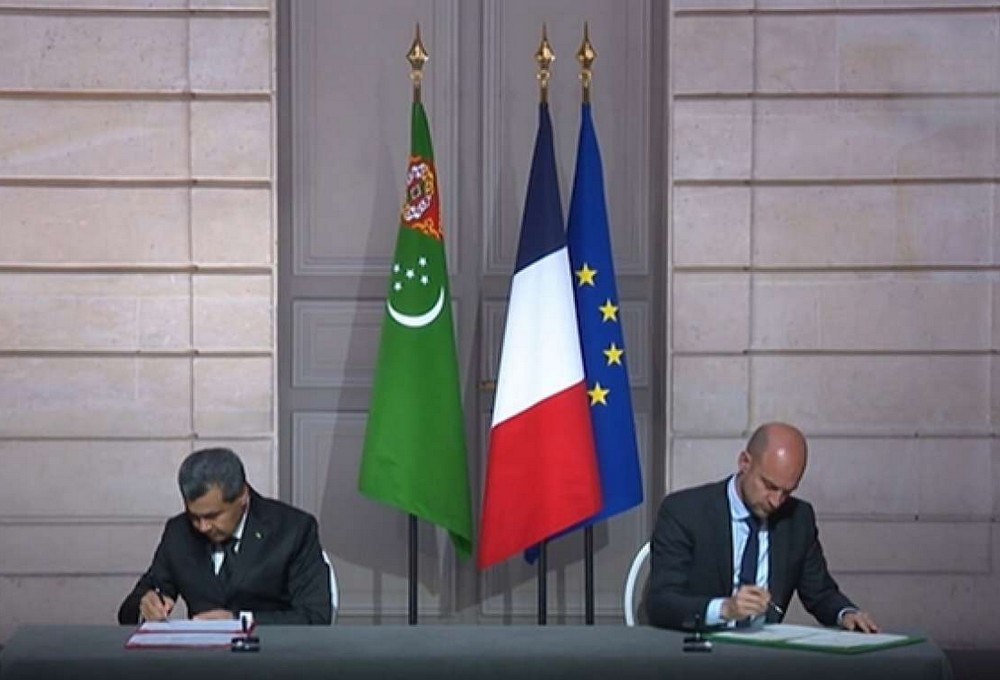
Turkmenistan is showing increasingly clear signs of a possible shift in its domestic policy. However, these do not amount to systemic reforms, but rather to targeted steps aimed at adapting the country to changing external economic conditions and growing international scrutiny.
According to Western sources, the country is experiencing what has been described as a cautious “thaw”: authorities are partially easing certain restrictions, including in the social and information spheres, while the core elements of the political system remain unchanged and tightly controlled by the state.
This reflects a model of managed liberalization typical of Turkmenistan, in which changes are gradual, selective, and reversible. Such an approach allows Ashgabat to demonstrate a willingness to modernize — primarily to external partners — while maintaining full control over domestic processes.
Analysts link these signals to economic considerations. Turkmenistan’s economy, heavily reliant on gas and raw material exports, is becoming increasingly dependent on external markets and investment. In the context of global competition for energy resources and infrastructure projects, the authorities are seeking to cultivate a more predictable and “acceptable” international image. At the same time, political liberalization in the conventional sense remains extremely limited — Turkmenistan continues to be regarded as one of the most closed countries in the region, with strict censorship and tight control over the internet.
Another contributing factor is the country’s growing engagement in international processes. Turkmenistan has been increasing its participation in global forums and regional initiatives, including events under the auspices of the United Nations and regional economic platforms, which requires a certain degree of alignment in domestic policy with international standards of engagement.
Experts emphasize that these developments do not indicate an imminent transition to deep political reform. Rather, they reflect a pragmatic course aimed at reducing external pressure, attracting investment, and strengthening economic resilience without altering the fundamental structure of power.
In this sense, Turkmenistan finds itself in a situation typical of resource-based states: the need to integrate into the global economy encourages partial openness, while domestic political constraints continue to set strict limits on any transformation.


 Latest news
Latest news
Latest newsBulgaria Asks NATO to Strengthen Its Defences Amid Black Sea Threats: Sofia Fears Growing Risks to Maritime Shipping
16.Oct.2026
Black Sea Shipping Risks Threaten Bulgaria’s 5 Million Tonnes of Wheat Exports
15.Oct.2026
Georgia’s Foreign Funding and Political Ban Laws Draw Criticism from the Venice Commission
15.Oct.2026
Kazakhstan Promotes a Caspian Green Energy Corridor: Astana Seeks New Routes to the European Market
14.Oct.2026
Inflation in Romania Accelerates to 6.61%: Rising Prices Increase Pressure on Households and the Economy
13.Oct.2026
Can Europe Protect the International Criminal Court from Trump’s Sanctions?
13.Oct.2026
Georgia’s Constitutional Court Continues Case on Banning Opposition Parties: Political Pluralism at Stake
12.Oct.2026
Azerbaijan and Iran Step Up Security Contacts Amid Hijab Protests
12.Oct.2026
Personnel Shortages Complicate Ukrainian Forces’ Rotation: Ukraine Faces Long-Term Challenges on the Front Line
11.Oct.2026
Trump Eases Sanctions on Russian Fuel After Talks with Putin: Kyiv Fears Boost to Moscow’s War Revenues
10.Oct.2026
Putin Seeks to Strengthen Russia’s Influence in the Post-Soviet Space Through the CIS
10.Oct.2026
Russia and the South Caucasus: External Pressure, Political Competition and a Crisis of Trust
10.Oct.2026
Peaceful Settlement Between Armenia and Azerbaijan: Moving from Declarations to Implementation
10.Oct.2026
Moldova Ready to Accept as Many Ukrainians as Necessary if Situation Worsens This Winter
09.Oct.2026
Turkmenistan Turns Avaza into a Regional Diplomatic Hub as Caspian, Central Asian and CIS Agendas Converge
08.Oct.2026