
 17 Oct 2026









The U.S. Fully Halts Iran’s Maritime Trade Amid Expectations of New Talks
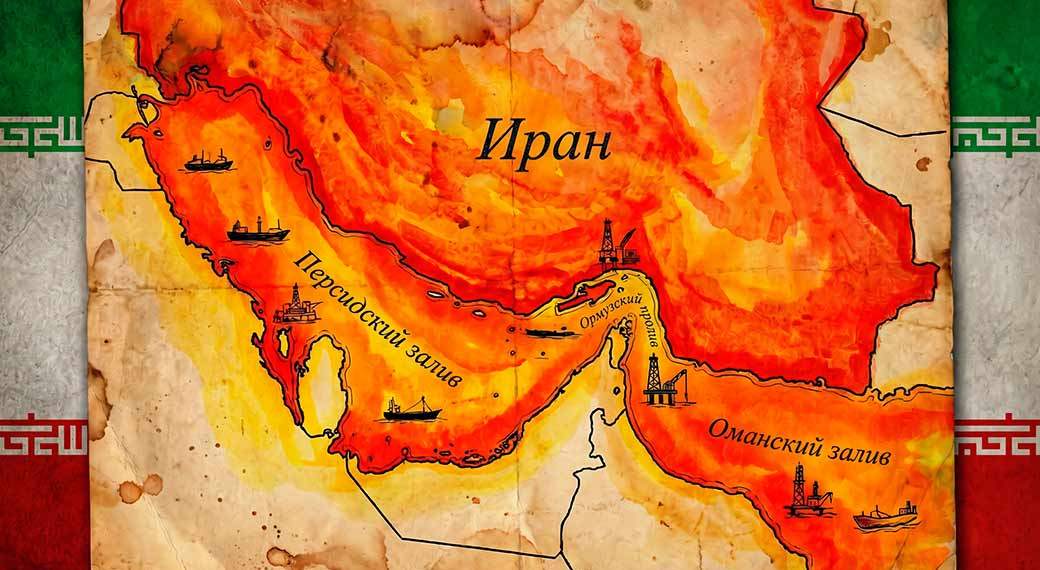
The United States has announced the effective cessation of all of Iran’s maritime trade, despite ongoing diplomatic optimism regarding the possible resumption of negotiations between the parties.
According to U.S. officials, a naval operation has resulted in a complete blockade of shipping linked to Iranian ports. The restrictions apply to all vessels heading to or departing from Iran, effectively paralyzing the country’s key export flows, primarily oil.
U.S. President Donald Trump stated that the conflict with Iran is “close to over” and expressed hope that negotiations could resume in the coming days. At the same time, Washington is increasing economic pressure and considering additional sanctions against buyers of Iranian oil.
Previous talks between the United States and Iran, held in Pakistan, ended without results due to disagreements over a key issue — Iran’s nuclear program. The U.S. side insists on a long-term suspension, while Tehran proposes shorter-term limitations.
Despite diplomatic efforts, tensions in the region remain high. The maritime blockade has already significantly impacted the global energy market: oil supplies are shrinking, while prices remain elevated amid restricted shipping through the Strait of Hormuz, one of the world’s most critical energy trade routes.
At the same time, diplomatic efforts to de-escalate continue. A senior representative from Pakistan has arrived in Tehran for mediation, and the parties are considering a new round of negotiations.
Military sources report that in the first days of the operation, several vessels were forced to change course or abandon plans to dock at Iranian ports, demonstrating the effectiveness of the measures. Experts note that further developments will depend on the willingness of the parties to compromise: if the blockade persists, the risk of a prolonged conflict and further destabilization of global energy markets will increase.


 Latest news
Latest news
Latest newsBulgaria Asks NATO to Strengthen Its Defences Amid Black Sea Threats: Sofia Fears Growing Risks to Maritime Shipping
16.Oct.2026
Black Sea Shipping Risks Threaten Bulgaria’s 5 Million Tonnes of Wheat Exports
15.Oct.2026
Georgia’s Foreign Funding and Political Ban Laws Draw Criticism from the Venice Commission
15.Oct.2026
Kazakhstan Promotes a Caspian Green Energy Corridor: Astana Seeks New Routes to the European Market
14.Oct.2026
Inflation in Romania Accelerates to 6.61%: Rising Prices Increase Pressure on Households and the Economy
13.Oct.2026
Can Europe Protect the International Criminal Court from Trump’s Sanctions?
13.Oct.2026
Georgia’s Constitutional Court Continues Case on Banning Opposition Parties: Political Pluralism at Stake
12.Oct.2026
Azerbaijan and Iran Step Up Security Contacts Amid Hijab Protests
12.Oct.2026
Personnel Shortages Complicate Ukrainian Forces’ Rotation: Ukraine Faces Long-Term Challenges on the Front Line
11.Oct.2026
Trump Eases Sanctions on Russian Fuel After Talks with Putin: Kyiv Fears Boost to Moscow’s War Revenues
10.Oct.2026
Putin Seeks to Strengthen Russia’s Influence in the Post-Soviet Space Through the CIS
10.Oct.2026
Russia and the South Caucasus: External Pressure, Political Competition and a Crisis of Trust
10.Oct.2026
Peaceful Settlement Between Armenia and Azerbaijan: Moving from Declarations to Implementation
10.Oct.2026
Moldova Ready to Accept as Many Ukrainians as Necessary if Situation Worsens This Winter
09.Oct.2026
Turkmenistan Turns Avaza into a Regional Diplomatic Hub as Caspian, Central Asian and CIS Agendas Converge
08.Oct.2026