
 17 Oct 2026









- strengthening its status as a regional power and global mediator;
- reducing the risk of direct involvement in military conflict;
- stabilizing the economy amid geopolitical turbulence;
- enhancing Ankara’s negotiating leverage in dialogue with the EU and the United States.
Turkiye Steps Up Diplomatic Efforts Amid Escalation in the Middle East
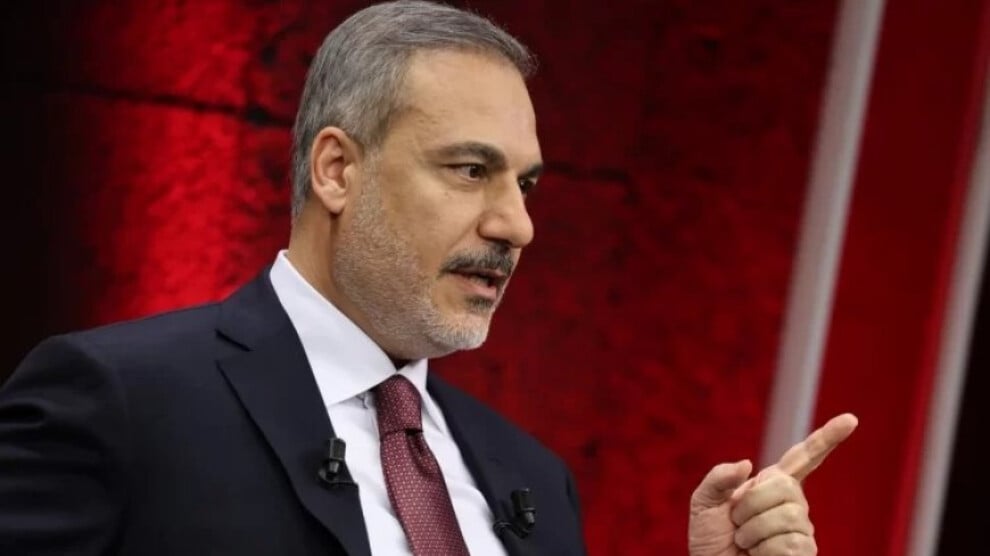
Ankara is intensifying diplomatic contacts with all parties involved in the conflict surrounding Iran, positioning itself as a potential venue for negotiations and a mediator in efforts to resolve the crisis. This was stated by Turkiye’s Foreign Minister Hakan Fidan, who emphasized that Ankara’s primary objective is to prevent further destabilization of the region.
According to the foreign minister, Turkiye maintains communication channels with Western governments, Tehran, and other regional actors alike.
“Preserving stability and preventing the expansion of the war is a priority for the entire international security system”, Fidan said.
President of Turkiye Recep Tayyip Erdoghan confirmed that Ankara is “doing everything possible to achieve a peaceful resolution” and is ready to offer its territory for talks related to Iran. Representatives of the ruling Justice and Development Party (AKP) noted that the possibility of holding consultations in Turkiye is already being discussed at the diplomatic level.
According to U.S. media reports, Turkiye is also being considered as a potential venue for the next round of international negotiations on Ukraine. The closure of airspace in several Persian Gulf countries, including the UAE, has complicated logistics for meetings in previously used locations. In this context, Ankara and Istanbul are once again being cited as convenient and politically acceptable options.
Turkiye previously hosted negotiations between Moscow and Kyiv in 2022 and acted as a mediator in the Black Sea grain deal, strengthening its image as one of the few countries maintaining working relations simultaneously with Russia, Ukraine, EU member states, and the United States.
Analysts note that Turkiye’s active diplomatic role serves several objectives at once:
At the same time, Turkiye continues to navigate a complex balance of interests. The country is a NATO member, yet it maintains economic and energy ties with Russia and actively engages with Middle Eastern states.
The escalation around Iran has heightened threats to transportation routes, energy supplies, and financial markets. For Turkiye — whose economy is sensitive to oil prices and currency volatility — further escalation poses direct risks. In this situation, Ankara is seeking to solidify its role not as a participant in the conflict, but as a mediator, hoping that diplomatic engagement will help minimize external threats while strengthening the country’s international standing.


 Latest news
Latest news
Latest newsBulgaria Asks NATO to Strengthen Its Defences Amid Black Sea Threats: Sofia Fears Growing Risks to Maritime Shipping
16.Oct.2026
Black Sea Shipping Risks Threaten Bulgaria’s 5 Million Tonnes of Wheat Exports
15.Oct.2026
Georgia’s Foreign Funding and Political Ban Laws Draw Criticism from the Venice Commission
15.Oct.2026
Kazakhstan Promotes a Caspian Green Energy Corridor: Astana Seeks New Routes to the European Market
14.Oct.2026
Inflation in Romania Accelerates to 6.61%: Rising Prices Increase Pressure on Households and the Economy
13.Oct.2026
Can Europe Protect the International Criminal Court from Trump’s Sanctions?
13.Oct.2026
Georgia’s Constitutional Court Continues Case on Banning Opposition Parties: Political Pluralism at Stake
12.Oct.2026
Azerbaijan and Iran Step Up Security Contacts Amid Hijab Protests
12.Oct.2026
Personnel Shortages Complicate Ukrainian Forces’ Rotation: Ukraine Faces Long-Term Challenges on the Front Line
11.Oct.2026
Trump Eases Sanctions on Russian Fuel After Talks with Putin: Kyiv Fears Boost to Moscow’s War Revenues
10.Oct.2026
Putin Seeks to Strengthen Russia’s Influence in the Post-Soviet Space Through the CIS
10.Oct.2026
Russia and the South Caucasus: External Pressure, Political Competition and a Crisis of Trust
10.Oct.2026
Peaceful Settlement Between Armenia and Azerbaijan: Moving from Declarations to Implementation
10.Oct.2026
Moldova Ready to Accept as Many Ukrainians as Necessary if Situation Worsens This Winter
09.Oct.2026
Turkmenistan Turns Avaza into a Regional Diplomatic Hub as Caspian, Central Asian and CIS Agendas Converge
08.Oct.2026