
 17 Oct 2026









From Tehran to Cyprus: Middle East Conflict Reaches Europe
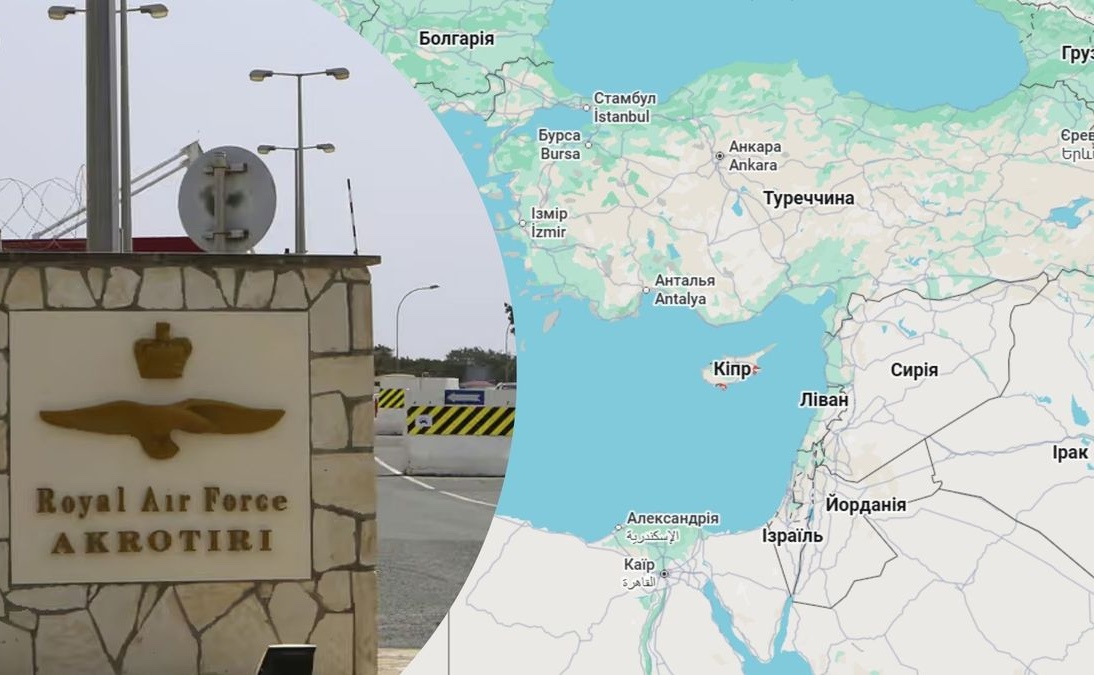
The conflict between Iran and a coalition led by the United States and Israel is rapidly expanding, extending beyond the Persian Gulf region and reaching Europe. On the night of March 2, the British air base RAF Akrotiri in Cyprus was targeted in a drone attack, reportedly involving drones of Iranian origin. The strike hit the runway, causing damage but resulting in no casualties. Several additional drones were intercepted by air defense systems. According to British authorities, defensive measures at the base have been reinforced, families of personnel have been relocated from potentially vulnerable areas, and a national-level security assessment is currently underway.
The escalation followed the killing of Iran’s Supreme Leader in a joint operation conducted by U.S. and Israeli forces. In response, Iran expanded its military actions: according to various sources, missiles and drones were launched at Israeli positions and U.S. forces in the region, as well as at targets in the Persian Gulf.
Amid the broader escalation, the Lebanese Shiite movement Hezbollah, backed by Tehran, launched rocket attacks on Israeli territory. The Israel Defense Forces (IDF) stated that they responded with airstrikes against Hezbollah targets in Lebanon, including positions near the southern suburbs of Beirut.
Israeli military officials confirmed that the strikes on Hezbollah positions were carried out in response to hostile actions and threats to national security. The Chief of the General Staff has ordered preparations for the continuation and possible expansion of military operations.
The British government emphasized that the attack on RAF Akrotiri does not amount to a declaration of war. According to officials, London did not directly participate in ground strikes against Iranian targets, but had previously allowed U.S. forces to use British bases for defensive operations against missile threats from Iran — a decision that analysts believe may have contributed to the attack.

Rising tensions in the region have led to partial disruptions of international routes, including a significant reduction in traffic through the Strait of Hormuz, a key global oil transit chokepoint. Oil prices have risen on international markets, while concerns over supply security have heightened volatility in financial markets. EU and UN leaders have called for de-escalation, warning of the risk of broader regional spillover and the involvement of additional parties.
Despite the absence of confirmed reports of mass casualties among personnel at RAF Akrotiri, the strike has become a symbolic event — marking one of the first times in recent decades that a European military base has been directly affected by a Middle Eastern conflict. This raises serious questions about the potential expansion of hostilities beyond traditional battlefronts.


 Latest news
Latest news
Latest newsBulgaria Asks NATO to Strengthen Its Defences Amid Black Sea Threats: Sofia Fears Growing Risks to Maritime Shipping
16.Oct.2026
Black Sea Shipping Risks Threaten Bulgaria’s 5 Million Tonnes of Wheat Exports
15.Oct.2026
Georgia’s Foreign Funding and Political Ban Laws Draw Criticism from the Venice Commission
15.Oct.2026
Kazakhstan Promotes a Caspian Green Energy Corridor: Astana Seeks New Routes to the European Market
14.Oct.2026
Inflation in Romania Accelerates to 6.61%: Rising Prices Increase Pressure on Households and the Economy
13.Oct.2026
Can Europe Protect the International Criminal Court from Trump’s Sanctions?
13.Oct.2026
Georgia’s Constitutional Court Continues Case on Banning Opposition Parties: Political Pluralism at Stake
12.Oct.2026
Azerbaijan and Iran Step Up Security Contacts Amid Hijab Protests
12.Oct.2026
Personnel Shortages Complicate Ukrainian Forces’ Rotation: Ukraine Faces Long-Term Challenges on the Front Line
11.Oct.2026
Trump Eases Sanctions on Russian Fuel After Talks with Putin: Kyiv Fears Boost to Moscow’s War Revenues
10.Oct.2026
Putin Seeks to Strengthen Russia’s Influence in the Post-Soviet Space Through the CIS
10.Oct.2026
Russia and the South Caucasus: External Pressure, Political Competition and a Crisis of Trust
10.Oct.2026
Peaceful Settlement Between Armenia and Azerbaijan: Moving from Declarations to Implementation
10.Oct.2026
Moldova Ready to Accept as Many Ukrainians as Necessary if Situation Worsens This Winter
09.Oct.2026
Turkmenistan Turns Avaza into a Regional Diplomatic Hub as Caspian, Central Asian and CIS Agendas Converge
08.Oct.2026