
 17 Oct 2026









Russia and Ukraine Fail to Reach Agreement in Geneva
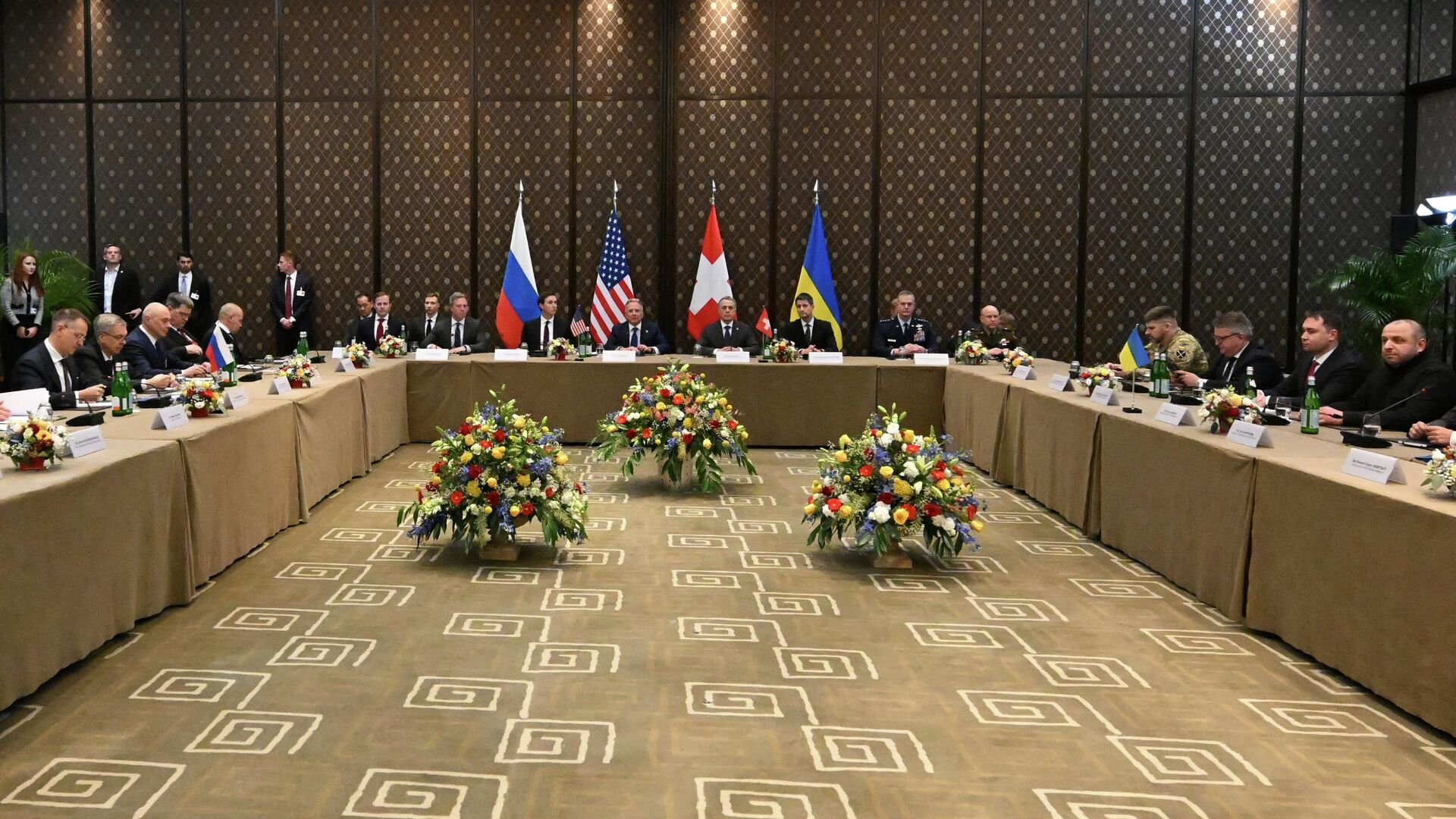
The
latest round of negotiations on ending the war between Russia and Ukraine has
concluded in Geneva without a breakthrough. The meetings, held on February
17–18 with U.S. mediation, lasted two days and included both direct
consultations between delegations and discussions in working groups on military
and political issues. Despite cautious statements describing the dialogue as
“constructive”, key disagreements remain unresolved.
Diplomats acknowledged that the positions of the parties on
fundamental political and military issues continue to diverge significantly.
Ukrainian President Volodymyr Zelensky described the talks as “difficult” and
stated that, in Kyiv’s view, Moscow is stalling the process by avoiding
concrete commitments to a ceasefire. The Ukrainian side insists on a full
cessation of hostilities, the withdrawal of Russian troops, and the provision
of international security guarantees, while emphasizing that territorial
concessions are unacceptable.
The head of the Russian delegation, Vladimir Medinsky, said
the discussions were conducted in a “business-like” manner but confirmed that
no agreement was reached on key political matters. According to Western media
reports, Russia’s position includes demands for Ukraine’s neutral status to be
закрепed, limitations on its military potential, and recognition of Moscow’s
control over certain eastern territories — conditions that Kyiv considers
unacceptable.
The second day of talks concluded earlier than scheduled,
which observers interpret as a sign that serious disagreements persist. At the
same time, U.S. representatives spoke of “some progress” on technical aspects
and an agreement to continue consultations after briefing their respective
leaders.
Thus,
the Geneva meeting marked another attempt at a diplomatic settlement of the
protracted conflict that has continued since February 2022. Despite the absence
of concrete agreements, the parties formally confirmed their willingness to
pursue further dialogue. However, experts note that without compromise on
fundamental issues — including the status of territories, the future security
architecture, and the parameters of a political settlement — a swift peace
agreement remains unlikely.


 Latest news
Latest news
Latest newsBulgaria Asks NATO to Strengthen Its Defences Amid Black Sea Threats: Sofia Fears Growing Risks to Maritime Shipping
16.Oct.2026
Black Sea Shipping Risks Threaten Bulgaria’s 5 Million Tonnes of Wheat Exports
15.Oct.2026
Georgia’s Foreign Funding and Political Ban Laws Draw Criticism from the Venice Commission
15.Oct.2026
Kazakhstan Promotes a Caspian Green Energy Corridor: Astana Seeks New Routes to the European Market
14.Oct.2026
Inflation in Romania Accelerates to 6.61%: Rising Prices Increase Pressure on Households and the Economy
13.Oct.2026
Can Europe Protect the International Criminal Court from Trump’s Sanctions?
13.Oct.2026
Georgia’s Constitutional Court Continues Case on Banning Opposition Parties: Political Pluralism at Stake
12.Oct.2026
Azerbaijan and Iran Step Up Security Contacts Amid Hijab Protests
12.Oct.2026
Personnel Shortages Complicate Ukrainian Forces’ Rotation: Ukraine Faces Long-Term Challenges on the Front Line
11.Oct.2026
Trump Eases Sanctions on Russian Fuel After Talks with Putin: Kyiv Fears Boost to Moscow’s War Revenues
10.Oct.2026
Putin Seeks to Strengthen Russia’s Influence in the Post-Soviet Space Through the CIS
10.Oct.2026
Russia and the South Caucasus: External Pressure, Political Competition and a Crisis of Trust
10.Oct.2026
Peaceful Settlement Between Armenia and Azerbaijan: Moving from Declarations to Implementation
10.Oct.2026
Moldova Ready to Accept as Many Ukrainians as Necessary if Situation Worsens This Winter
09.Oct.2026
Turkmenistan Turns Avaza into a Regional Diplomatic Hub as Caspian, Central Asian and CIS Agendas Converge
08.Oct.2026