
 17 Oct 2026









Deal or Escalation: Trump’s Middle Eastern Knot
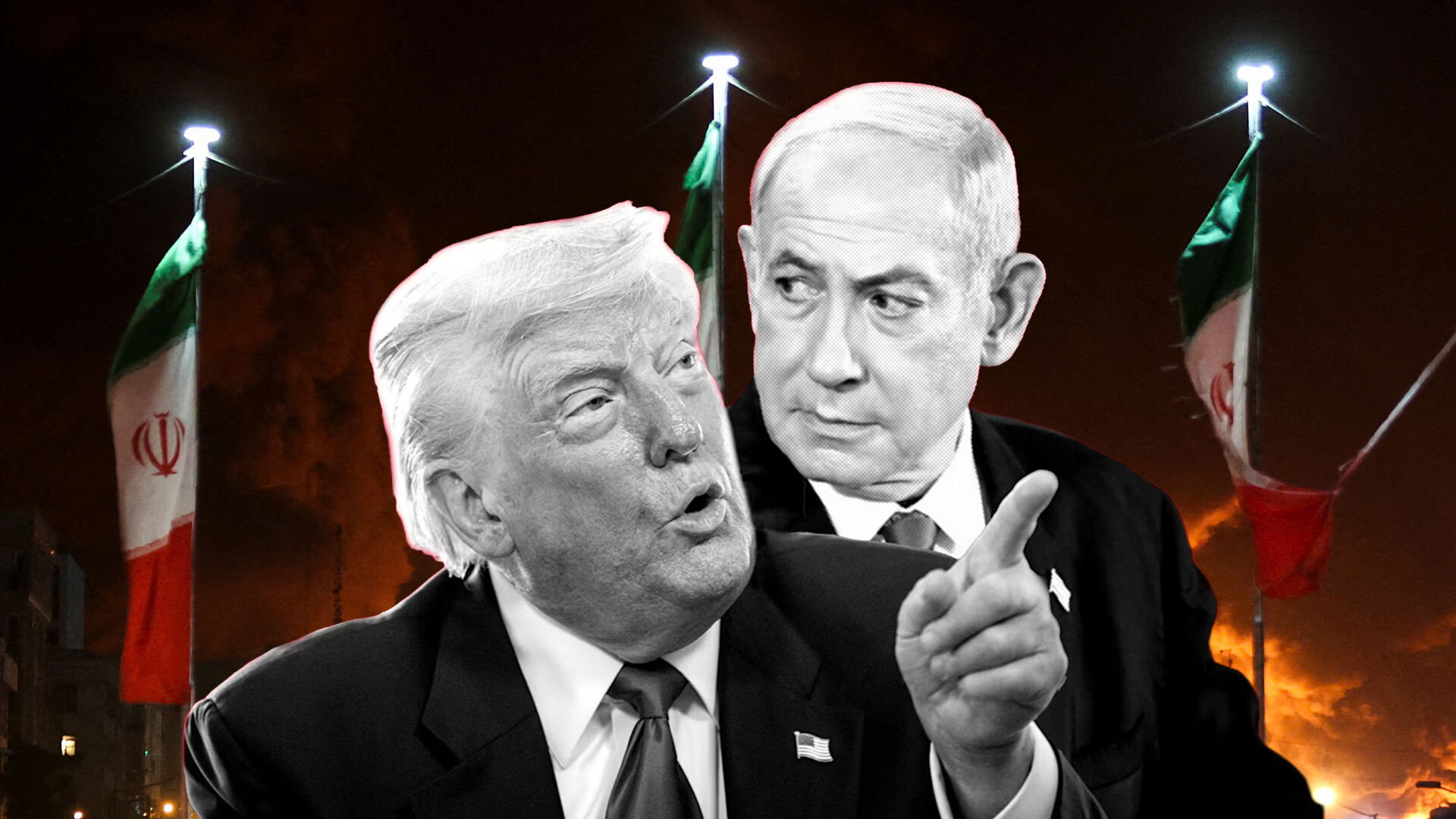
The
resumption of contacts between the United States and Iran has once again been
accompanied by a sharp rise in tensions, creating the impression of diplomacy
unfolding under intense military pressure. U.S. President Donald Trump stated
that if the negotiations fail to produce an agreement, Washington will have to
do “something very tough” with regard to Tehran. At the same time, he floated
the possibility of deploying a second aircraft carrier strike group to the
Middle East. Such a move would be more than symbolic; it would serve as a
direct signal of readiness for a forceful scenario should diplomatic efforts
collapse.
An American carrier strike group is already present in the
region, and discussion of reinforcing it underscores the administration’s
chosen strategy — combining negotiations with a visible demonstration of power.
Washington seeks to conduct dialogue from a position of pressure, calculating
that an enhanced military presence will accelerate decision-making in Tehran.
At the same time, Trump emphasizes that he would prefer a “good deal”, arguing
that Iran is interested in reaching an agreement. Behind these diplomatic
formulations, however, lies a stringent set of demands.
 The U.S. aircraft carrier USS Abraham Lincoln has
entered the Arabian Sea as part of a U.S. Navy carrier strike group
The U.S. aircraft carrier USS Abraham Lincoln has
entered the Arabian Sea as part of a U.S. Navy carrier strike group
The United States insists on significant restrictions or a
complete halt to uranium enrichment, expanded oversight of Iran’s nuclear
program, as well as limitations on its ballistic missile development and a
reduction of Tehran’s regional influence through allied armed groups. For Iran,
such conditions extend far beyond the nuclear file and touch upon issues of
national security and strategic autonomy. This explains why the talks held with
Omani mediation did not lead to any noticeable de-escalation: the sides are
testing each other’s seriousness, yet remain in fundamentally opposing
positions on key issues.
The situation is further complicated by the regional dimension. Israel, traditionally advocating the toughest possible line toward Iran, is closely monitoring the course of negotiations, and any signs of U.S. concessions could trigger debate within the American political establishment. Simultaneously, for Tehran, appearing conciliatory under military pressure carries domestic reputational risks.
In
this context, the current dynamic represents a delicate balancing act between
diplomacy and potential escalation. Neither side appears willing to make a
strategic retreat, yet open confrontation carries exceedingly high risks — both
for regional security and for global energy markets. The most likely scenario
at this stage is a prolonged standoff marked by periodic rounds of negotiations
and the simultaneous buildup of pressure mechanisms. Nevertheless, the logic of
public threats combined with military signaling increases the risk of
miscalculation, which could quickly shift the conflict from a
political-diplomatic arena into a military one.
CCBS Expert Group


 Latest news
Latest news
Latest newsBulgaria Asks NATO to Strengthen Its Defences Amid Black Sea Threats: Sofia Fears Growing Risks to Maritime Shipping
16.Oct.2026
Black Sea Shipping Risks Threaten Bulgaria’s 5 Million Tonnes of Wheat Exports
15.Oct.2026
Georgia’s Foreign Funding and Political Ban Laws Draw Criticism from the Venice Commission
15.Oct.2026
Kazakhstan Promotes a Caspian Green Energy Corridor: Astana Seeks New Routes to the European Market
14.Oct.2026
Inflation in Romania Accelerates to 6.61%: Rising Prices Increase Pressure on Households and the Economy
13.Oct.2026
Can Europe Protect the International Criminal Court from Trump’s Sanctions?
13.Oct.2026
Georgia’s Constitutional Court Continues Case on Banning Opposition Parties: Political Pluralism at Stake
12.Oct.2026
Azerbaijan and Iran Step Up Security Contacts Amid Hijab Protests
12.Oct.2026
Personnel Shortages Complicate Ukrainian Forces’ Rotation: Ukraine Faces Long-Term Challenges on the Front Line
11.Oct.2026
Trump Eases Sanctions on Russian Fuel After Talks with Putin: Kyiv Fears Boost to Moscow’s War Revenues
10.Oct.2026
Putin Seeks to Strengthen Russia’s Influence in the Post-Soviet Space Through the CIS
10.Oct.2026
Russia and the South Caucasus: External Pressure, Political Competition and a Crisis of Trust
10.Oct.2026
Peaceful Settlement Between Armenia and Azerbaijan: Moving from Declarations to Implementation
10.Oct.2026
Moldova Ready to Accept as Many Ukrainians as Necessary if Situation Worsens This Winter
09.Oct.2026
Turkmenistan Turns Avaza into a Regional Diplomatic Hub as Caspian, Central Asian and CIS Agendas Converge
08.Oct.2026