
 17 Oct 2026









Rule of Might or Rule of Law? Sentencing of Former Nagorno-Karabakh Leaders
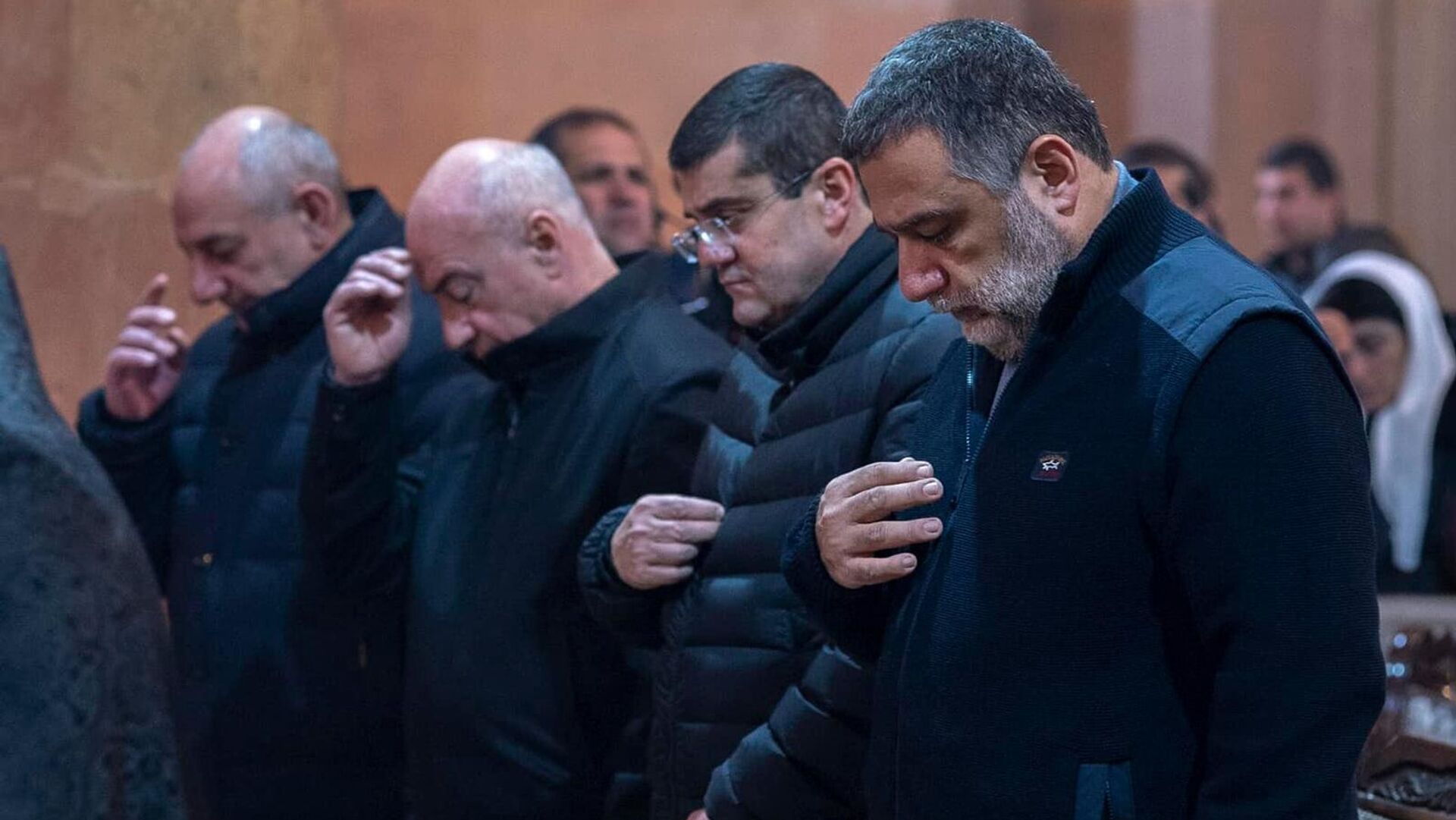
On
February 5, a military court in Baku delivered verdicts against former members
of the Armenian administration of Nagorno-Karabakh, sentencing them to lengthy
prison terms, including life imprisonment for several key figures. The case
concerns 13 former officials and military figures of the unrecognized entity
who were detained after Azerbaijan re-established full control over the region
in 2023. The court found them guilty on a broad range of serious charges,
including war crimes, terrorism, attempts to seize power by force, and waging
an aggressive war.
According to the investigation, the defendants were held
responsible for actions committed during the many years of conflict over
Karabakh. Five individuals, including former leader of the Karabakh Armenians
Arayik Harutyunyan, received life sentences, while the others were sentenced to
prison terms ranging from 15 to 20 years. Two former leaders who, due to their
age, could not be sentenced to life imprisonment were each given 20-year terms.

The Azerbaijani authorities portray the verdicts as an
important step toward restoring justice and the rule of law after decades of
conflict. However, the proceedings have already drawn criticism from human
rights organizations and a number of international observers, who point to the
closed nature of the trial, its political context, and doubts about compliance
with standards of fair judicial process. Critics note that such harsh
sentences, handed down amid ongoing tensions between Baku and Yerevan, may not
contribute to long-term reconciliation and could instead deepen mutual distrust
between the sides.
The broader context of the case remains highly sensitive. Following the 2023 military operation, almost the entire Armenian population of Karabakh left the region, and the trials of former Karabakh leaders have become one of the most high-profile and politically charged episodes of the post-conflict period.


 Latest news
Latest news
Latest newsBulgaria Asks NATO to Strengthen Its Defences Amid Black Sea Threats: Sofia Fears Growing Risks to Maritime Shipping
16.Oct.2026
Black Sea Shipping Risks Threaten Bulgaria’s 5 Million Tonnes of Wheat Exports
15.Oct.2026
Georgia’s Foreign Funding and Political Ban Laws Draw Criticism from the Venice Commission
15.Oct.2026
Kazakhstan Promotes a Caspian Green Energy Corridor: Astana Seeks New Routes to the European Market
14.Oct.2026
Inflation in Romania Accelerates to 6.61%: Rising Prices Increase Pressure on Households and the Economy
13.Oct.2026
Can Europe Protect the International Criminal Court from Trump’s Sanctions?
13.Oct.2026
Georgia’s Constitutional Court Continues Case on Banning Opposition Parties: Political Pluralism at Stake
12.Oct.2026
Azerbaijan and Iran Step Up Security Contacts Amid Hijab Protests
12.Oct.2026
Personnel Shortages Complicate Ukrainian Forces’ Rotation: Ukraine Faces Long-Term Challenges on the Front Line
11.Oct.2026
Trump Eases Sanctions on Russian Fuel After Talks with Putin: Kyiv Fears Boost to Moscow’s War Revenues
10.Oct.2026
Putin Seeks to Strengthen Russia’s Influence in the Post-Soviet Space Through the CIS
10.Oct.2026
Russia and the South Caucasus: External Pressure, Political Competition and a Crisis of Trust
10.Oct.2026
Peaceful Settlement Between Armenia and Azerbaijan: Moving from Declarations to Implementation
10.Oct.2026
Moldova Ready to Accept as Many Ukrainians as Necessary if Situation Worsens This Winter
09.Oct.2026
Turkmenistan Turns Avaza into a Regional Diplomatic Hub as Caspian, Central Asian and CIS Agendas Converge
08.Oct.2026