
 17 Oct 2026









Armenia Determines the Type of Its New Nuclear Power Plant: Focus on Modular Reactors
The
Armenian authorities have made a principled decision regarding the format of
the country’s future nuclear power plant: the new facility will be modular in
nature. However, the specific reactor model and the partner country for its
construction have not yet been determined. This was stated by Armenia’s
Minister of Territorial Administration and Infrastructure, Davit Khudatyan, who
emphasized that the final decision will be made after a comprehensive review of
international proposals and consultations with relevant expert bodies.
According to the minister, the plan involves so-called
small modular reactors, which are considered more flexible in terms of
construction, operation, and scalability compared to traditional large nuclear
power units. The Armenian side does not intend to rush the choice of
technology, as such reactors have not yet seen widespread industrial deployment
and require additional expert assessment in terms of safety and economic
viability.
According to economic and industry sources, Armenia is
reviewing proposals from several countries, including Russia, the United
States, France, South Korea, and China. After selecting a reactor model, the
government plans to proceed with negotiations on the project’s financing
structure and the format of foreign participation, including possible
public–private partnership mechanisms.
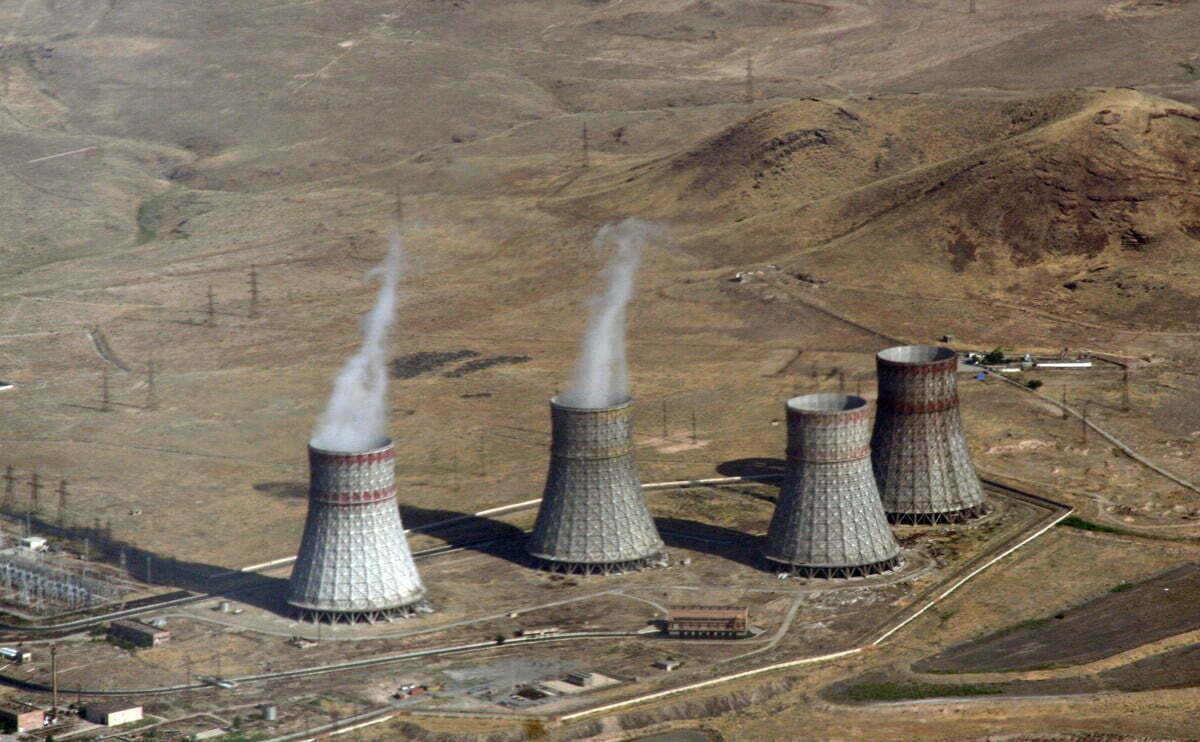
The decision to build a new nuclear power plant is directly
linked to the future of the existing Metsamor Nuclear Power Plant, which
remains a key element of Armenia’s energy system. Its operation has previously
been extended, while parallel technical modernization works are underway to
ensure a stable energy supply until the new facility comes online. The
authorities stress that without nuclear generation, Armenia would find it
difficult to maintain energy independence and competitive electricity tariffs
in the long term.
Thus, Yerevan has moved from discussion to shaping a clear concept for the future of its nuclear energy sector, placing its bet on modular technologies while retaining room for maneuver in choosing a specific solution and an international partner.


 Latest news
Latest news
Latest newsBulgaria Asks NATO to Strengthen Its Defences Amid Black Sea Threats: Sofia Fears Growing Risks to Maritime Shipping
16.Oct.2026
Black Sea Shipping Risks Threaten Bulgaria’s 5 Million Tonnes of Wheat Exports
15.Oct.2026
Georgia’s Foreign Funding and Political Ban Laws Draw Criticism from the Venice Commission
15.Oct.2026
Kazakhstan Promotes a Caspian Green Energy Corridor: Astana Seeks New Routes to the European Market
14.Oct.2026
Inflation in Romania Accelerates to 6.61%: Rising Prices Increase Pressure on Households and the Economy
13.Oct.2026
Can Europe Protect the International Criminal Court from Trump’s Sanctions?
13.Oct.2026
Georgia’s Constitutional Court Continues Case on Banning Opposition Parties: Political Pluralism at Stake
12.Oct.2026
Azerbaijan and Iran Step Up Security Contacts Amid Hijab Protests
12.Oct.2026
Personnel Shortages Complicate Ukrainian Forces’ Rotation: Ukraine Faces Long-Term Challenges on the Front Line
11.Oct.2026
Trump Eases Sanctions on Russian Fuel After Talks with Putin: Kyiv Fears Boost to Moscow’s War Revenues
10.Oct.2026
Putin Seeks to Strengthen Russia’s Influence in the Post-Soviet Space Through the CIS
10.Oct.2026
Russia and the South Caucasus: External Pressure, Political Competition and a Crisis of Trust
10.Oct.2026
Peaceful Settlement Between Armenia and Azerbaijan: Moving from Declarations to Implementation
10.Oct.2026
Moldova Ready to Accept as Many Ukrainians as Necessary if Situation Worsens This Winter
09.Oct.2026
Turkmenistan Turns Avaza into a Regional Diplomatic Hub as Caspian, Central Asian and CIS Agendas Converge
08.Oct.2026