
 17 Oct 2026









Turkey Faces One of Its Worst Droughts in 50 Years
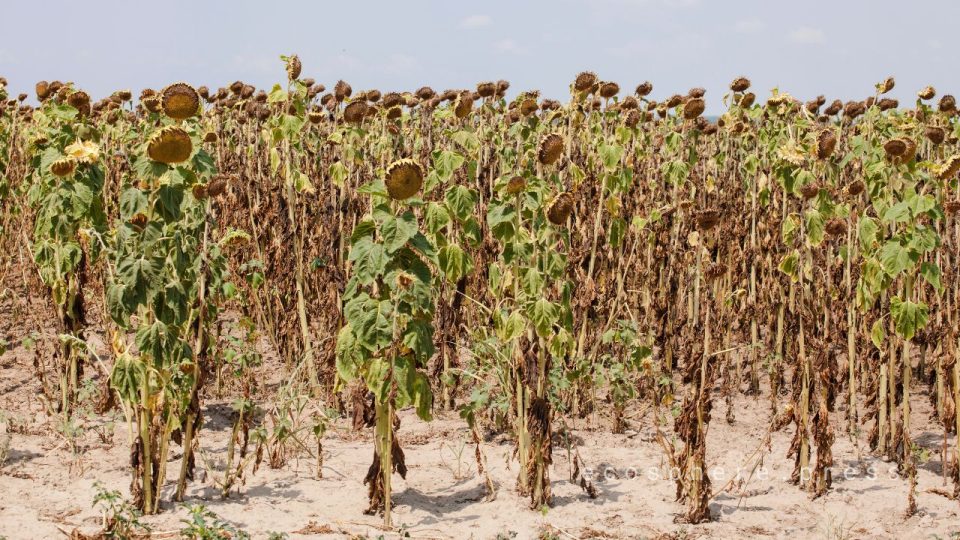
Turkey is facing one of the most severe droughts in the past fifty years, resulting in widespread consequences for the country’s economy and social sphere. Precipitation levels have dropped sharply, and reservoirs in major regions such as Ankara, Istanbul, and Izmir have fallen to critical levels. This has created an acute water shortage affecting not only the daily needs of the population but also key economic sectors.
Agriculture, heavily dependent on irrigation systems and stable water supply, has been particularly hard hit. The lack of water has led to reduced crop yields, the risk of losing harvests and livestock, which in turn could drive up food prices and weaken food security. This is especially alarming against the backdrop of global economic challenges and inflation already impacting citizens' budgets.
Moreover, the water deficit affects energy production. Hydroelectric power plants, which constitute an important part of the country’s energy balance, are operating under resource shortages, forcing an increased reliance on more costly and polluting energy sources. This creates additional economic and environmental risks, complicating efforts to transition to sustainable energy.
The ecological situation is also deteriorating: drying water bodies impact biodiversity and ecosystem health, increasing the risk of wildfires and soil degradation. In some regions, sharp climate changes are already being recorded, requiring urgent government measures for adaptation and damage mitigation.
Turkish authorities acknowledge the scale of the problem and are developing plans for the rational use of water resources, infrastructure modernization, and attracting international support. However, experts warn that without a comprehensive and long-term approach, the consequences of the drought could worsen, seriously undermining the country’s socio-economic stability.
Thus, the current drought in Turkey is not just a climatic event but a serious challenge affecting all key spheres of society and the economy, demanding coordinated actions at all levels.


 Latest news
Latest news
Latest newsBulgaria Asks NATO to Strengthen Its Defences Amid Black Sea Threats: Sofia Fears Growing Risks to Maritime Shipping
16.Oct.2026
Black Sea Shipping Risks Threaten Bulgaria’s 5 Million Tonnes of Wheat Exports
15.Oct.2026
Georgia’s Foreign Funding and Political Ban Laws Draw Criticism from the Venice Commission
15.Oct.2026
Kazakhstan Promotes a Caspian Green Energy Corridor: Astana Seeks New Routes to the European Market
14.Oct.2026
Inflation in Romania Accelerates to 6.61%: Rising Prices Increase Pressure on Households and the Economy
13.Oct.2026
Can Europe Protect the International Criminal Court from Trump’s Sanctions?
13.Oct.2026
Georgia’s Constitutional Court Continues Case on Banning Opposition Parties: Political Pluralism at Stake
12.Oct.2026
Azerbaijan and Iran Step Up Security Contacts Amid Hijab Protests
12.Oct.2026
Personnel Shortages Complicate Ukrainian Forces’ Rotation: Ukraine Faces Long-Term Challenges on the Front Line
11.Oct.2026
Trump Eases Sanctions on Russian Fuel After Talks with Putin: Kyiv Fears Boost to Moscow’s War Revenues
10.Oct.2026
Putin Seeks to Strengthen Russia’s Influence in the Post-Soviet Space Through the CIS
10.Oct.2026
Russia and the South Caucasus: External Pressure, Political Competition and a Crisis of Trust
10.Oct.2026
Peaceful Settlement Between Armenia and Azerbaijan: Moving from Declarations to Implementation
10.Oct.2026
Moldova Ready to Accept as Many Ukrainians as Necessary if Situation Worsens This Winter
09.Oct.2026
Turkmenistan Turns Avaza into a Regional Diplomatic Hub as Caspian, Central Asian and CIS Agendas Converge
08.Oct.2026