
 17 Oct 2026









Iran on the Brink of a Systemic Crisis: Harsh Crackdown on Protests and Growing International Pressure
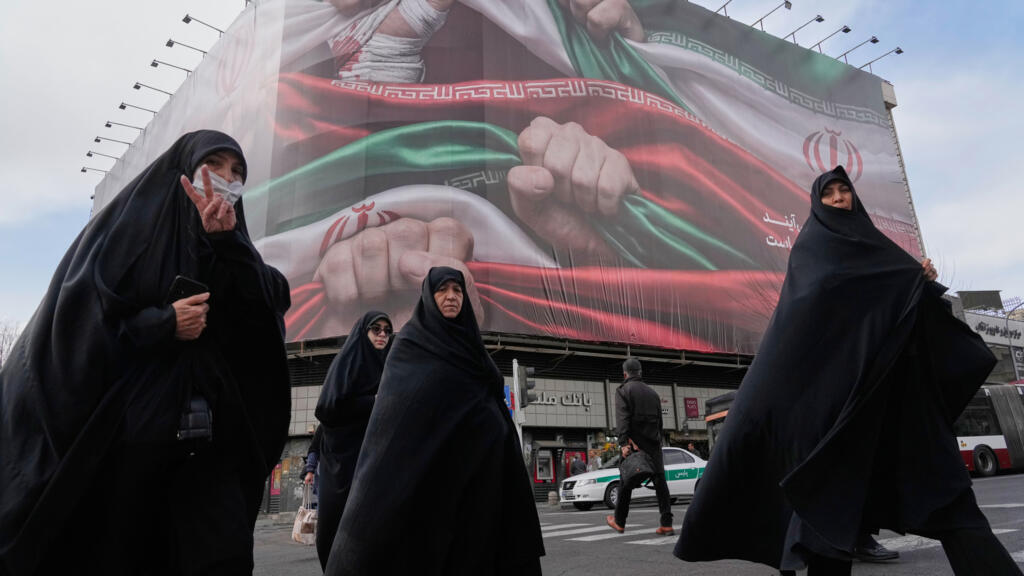
Iran continues to intensify its response to mass anti-government protests that began in late December 2025. Security forces have launched a large-scale crackdown on demonstrations which, according to human rights organizations and the United Nations, has become the harshest campaign of repression since the 1979 Islamic Revolution. Initially driven by an economic crisis, soaring inflation, and the sharp devaluation of the national currency, the protests quickly took on a political dimension, prompting a forceful response from the state.
The situation has drawn significant international attention. At an emergency session of the UN Human Rights Council, the High Commissioner publicly condemned the actions of Iranian security forces, describing them as “brutal repression” against peaceful demonstrators. He called on Iranian authorities to immediately halt the violence, allow an expanded international investigation, and hold those responsible accountable. More than 50 countries supported this position, increasing diplomatic pressure on Tehran and elevating Iran’s internal crisis to the global stage.
Amid growing international criticism, the Iranian government officially disclosed casualty figures for the first time. According to the Ministry of Foreign Affairs and members of parliament, 3117 people were killed during the suppression of the protests. These figures, however, are widely disputed both inside and outside the country. Independent sources and human rights groups argue that the true death toll may be significantly higher and that many of the victims were civilians not involved in violent acts.

At the same time, authorities have begun to partially ease the information blockade. After a prolonged near-total shutdown of communications, internet access has gradually been restored in some regions. Officials have attributed this to a stabilization of the situation, though analysts note that connectivity remains selective and tightly controlled, allowing the state to manage information flows and limit coordination among protesters.
Overall, developments in Iran point to a deepening systemic crisis in which socio-economic hardship intersects with political discontent and external pressure. While the government’s hardline approach may temporarily reduce street-level unrest, the scale of repression and the international response increase the risk of further isolation and leave the prospects for long-term stabilization increasingly uncertain.


 Latest news
Latest news
Latest newsBulgaria Asks NATO to Strengthen Its Defences Amid Black Sea Threats: Sofia Fears Growing Risks to Maritime Shipping
16.Oct.2026
Black Sea Shipping Risks Threaten Bulgaria’s 5 Million Tonnes of Wheat Exports
15.Oct.2026
Georgia’s Foreign Funding and Political Ban Laws Draw Criticism from the Venice Commission
15.Oct.2026
Kazakhstan Promotes a Caspian Green Energy Corridor: Astana Seeks New Routes to the European Market
14.Oct.2026
Inflation in Romania Accelerates to 6.61%: Rising Prices Increase Pressure on Households and the Economy
13.Oct.2026
Can Europe Protect the International Criminal Court from Trump’s Sanctions?
13.Oct.2026
Georgia’s Constitutional Court Continues Case on Banning Opposition Parties: Political Pluralism at Stake
12.Oct.2026
Azerbaijan and Iran Step Up Security Contacts Amid Hijab Protests
12.Oct.2026
Personnel Shortages Complicate Ukrainian Forces’ Rotation: Ukraine Faces Long-Term Challenges on the Front Line
11.Oct.2026
Trump Eases Sanctions on Russian Fuel After Talks with Putin: Kyiv Fears Boost to Moscow’s War Revenues
10.Oct.2026
Putin Seeks to Strengthen Russia’s Influence in the Post-Soviet Space Through the CIS
10.Oct.2026
Russia and the South Caucasus: External Pressure, Political Competition and a Crisis of Trust
10.Oct.2026
Peaceful Settlement Between Armenia and Azerbaijan: Moving from Declarations to Implementation
10.Oct.2026
Moldova Ready to Accept as Many Ukrainians as Necessary if Situation Worsens This Winter
09.Oct.2026
Turkmenistan Turns Avaza into a Regional Diplomatic Hub as Caspian, Central Asian and CIS Agendas Converge
08.Oct.2026