
 17 Oct 2026









From Conflict to Trade: What the Fuel Transit Between Azerbaijan and Armenia Means?
Azerbaijan
has, for the first time in decades, exported fuel to Armenia by rail, marking
an important practical step toward the normalization of economic relations
between the two countries after years of conflict. On December 18, the state oil
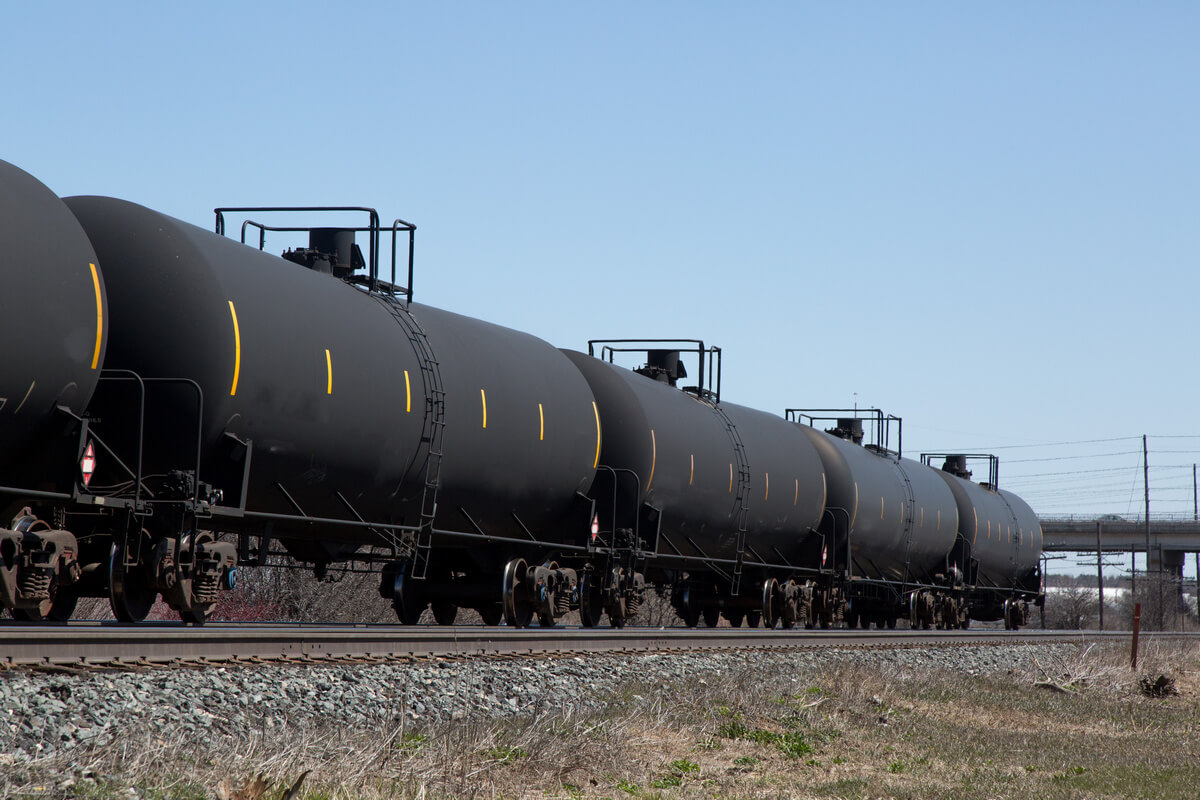
company SOCAR dispatched 22 railcars carrying more than 1,200 tonnes of AI-95
gasoline from a freight terminal in Baku to Armenia via Georgia. This shipment
effectively represents the first instance since independence in which goods
have crossed between the two countries for economic purposes, following the
Azerbaijan–Georgia–Armenia route.
The fuel shipment was carried out within the framework of
agreements reached in late November in Gabala between representatives of the
Armenian and Azerbaijani governments and is viewed by both sides as a practical
demonstration of the opportunities opened up by the establishment of peace.
Armenian Prime Minister Nikol Pashinyan noted that while the trade is being
conducted by private companies, the political conditions enabling it were
created by peace between the two countries, describing the move as an important
sign of the resumption of economic ties.
The delivery was positively received in Yerevan. Armenia’s
Minister of Economy, Gevorg Papoyan, emphasized that this was not only the
first commercial transaction following the peace agreements, but possibly the
first such trade exchange since the independence of both states. As part of the
process, Georgia provided preferential transit conditions, which facilitated the
successful movement of the cargo, although the parties are expected to discuss
transportation tariffs in the future – an issue that could affect further
shipments.
Against this backdrop, political dialogue between the two
countries is also progressing. On December 21, at a meeting of the Supreme
Eurasian Economic Council in St. Petersburg, Armenian Prime Minister Nikol
Pashinyan publicly thanked Azerbaijani President Ilham Aliyev for the decision
to unblock cargo transit through Azerbaijani territory and to create conditions
for the launch of bilateral trade. He stressed that this step helps strengthen
economic cooperation and opens up prospects for further interaction.
Experts
believe that such operations, although beginning with relatively modest
shipment volumes, could over time contribute to the expansion of trade and
transport integration in the South Caucasus and become one of the foundations
for sustainable economic development in the region, provided that the peace
process continues.


 Latest news
Latest news
Latest newsBulgaria Asks NATO to Strengthen Its Defences Amid Black Sea Threats: Sofia Fears Growing Risks to Maritime Shipping
16.Oct.2026
Black Sea Shipping Risks Threaten Bulgaria’s 5 Million Tonnes of Wheat Exports
15.Oct.2026
Georgia’s Foreign Funding and Political Ban Laws Draw Criticism from the Venice Commission
15.Oct.2026
Kazakhstan Promotes a Caspian Green Energy Corridor: Astana Seeks New Routes to the European Market
14.Oct.2026
Inflation in Romania Accelerates to 6.61%: Rising Prices Increase Pressure on Households and the Economy
13.Oct.2026
Can Europe Protect the International Criminal Court from Trump’s Sanctions?
13.Oct.2026
Georgia’s Constitutional Court Continues Case on Banning Opposition Parties: Political Pluralism at Stake
12.Oct.2026
Azerbaijan and Iran Step Up Security Contacts Amid Hijab Protests
12.Oct.2026
Personnel Shortages Complicate Ukrainian Forces’ Rotation: Ukraine Faces Long-Term Challenges on the Front Line
11.Oct.2026
Trump Eases Sanctions on Russian Fuel After Talks with Putin: Kyiv Fears Boost to Moscow’s War Revenues
10.Oct.2026
Putin Seeks to Strengthen Russia’s Influence in the Post-Soviet Space Through the CIS
10.Oct.2026
Russia and the South Caucasus: External Pressure, Political Competition and a Crisis of Trust
10.Oct.2026
Peaceful Settlement Between Armenia and Azerbaijan: Moving from Declarations to Implementation
10.Oct.2026
Moldova Ready to Accept as Many Ukrainians as Necessary if Situation Worsens This Winter
09.Oct.2026
Turkmenistan Turns Avaza into a Regional Diplomatic Hub as Caspian, Central Asian and CIS Agendas Converge
08.Oct.2026