
 17 Oct 2026









Sanctions Against Iran’s “Shadow Fleet” of Oil Tankers
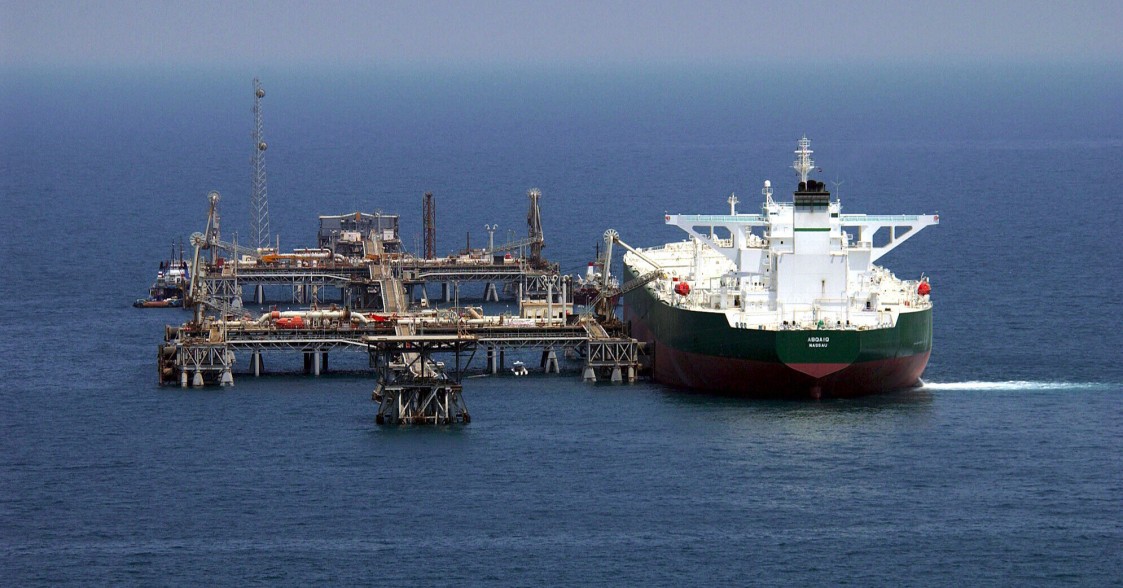
The United States has stepped up sanctions pressure on Iran by expanding restrictions against the so-called “shadow fleet” of oil tankers, which, according to U.S. authorities, is used to circumvent international sanctions and illegally export Iranian oil. The U.S. Department of the Treasury, through its Office of Foreign Assets Control (OFAC), has added 29 vessels and a number of related shipping companies to its sanctions lists. These entities operate under the flags of various countries and are registered in multiple jurisdictions. Washington claims that these vessels transported Iranian oil and petroleum products worth hundreds of millions of dollars, providing Tehran with revenue in defiance of existing restrictions.
According to the U.S. side, the “shadow fleet” actively relies on schemes involving frequent changes of flags, ownership, and vessel names, as well as ship-to-ship transfers of oil on the high seas, allowing operators to conceal the origin of the cargo and its final recipients. The sanctions target not only the tankers themselves, but also operating companies and individual persons whom the United States considers key participants in these schemes. All their assets under U.S. jurisdiction are subject to freezing, and U.S. companies and citizens are prohibited from engaging in any business dealings with them.

Experts note that these new measures form part of a broader strategy to pressure Iran’s oil sector. According to analysts, despite sanctions, Tehran has managed in recent years to maintain significant levels of oil exports, including through supplies to Asian markets, which has raised concerns in the United States and among its allies. Tighter sanctions on shipping infrastructure are expected to complicate these deliveries, increase risks for carriers and insurance companies, and raise costs across the entire Iranian oil supply chain.
Against this backdrop, international observers point to a wider trend: “shadow fleets” are increasingly being used not only by Iran, but also by other countries under sanctions, creating additional risks for maritime safety and the transparency of the global energy market. In this sense, U.S. actions against Iran’s “shadow fleet” are seen as a signal of Washington’s intention to more actively combat such schemes worldwide, despite the risk of further escalating tensions with Tehran and a number of oil-importing countries.


 Latest news
Latest news
Latest newsBulgaria Asks NATO to Strengthen Its Defences Amid Black Sea Threats: Sofia Fears Growing Risks to Maritime Shipping
16.Oct.2026
Black Sea Shipping Risks Threaten Bulgaria’s 5 Million Tonnes of Wheat Exports
15.Oct.2026
Georgia’s Foreign Funding and Political Ban Laws Draw Criticism from the Venice Commission
15.Oct.2026
Kazakhstan Promotes a Caspian Green Energy Corridor: Astana Seeks New Routes to the European Market
14.Oct.2026
Inflation in Romania Accelerates to 6.61%: Rising Prices Increase Pressure on Households and the Economy
13.Oct.2026
Can Europe Protect the International Criminal Court from Trump’s Sanctions?
13.Oct.2026
Georgia’s Constitutional Court Continues Case on Banning Opposition Parties: Political Pluralism at Stake
12.Oct.2026
Azerbaijan and Iran Step Up Security Contacts Amid Hijab Protests
12.Oct.2026
Personnel Shortages Complicate Ukrainian Forces’ Rotation: Ukraine Faces Long-Term Challenges on the Front Line
11.Oct.2026
Trump Eases Sanctions on Russian Fuel After Talks with Putin: Kyiv Fears Boost to Moscow’s War Revenues
10.Oct.2026
Putin Seeks to Strengthen Russia’s Influence in the Post-Soviet Space Through the CIS
10.Oct.2026
Russia and the South Caucasus: External Pressure, Political Competition and a Crisis of Trust
10.Oct.2026
Peaceful Settlement Between Armenia and Azerbaijan: Moving from Declarations to Implementation
10.Oct.2026
Moldova Ready to Accept as Many Ukrainians as Necessary if Situation Worsens This Winter
09.Oct.2026
Turkmenistan Turns Avaza into a Regional Diplomatic Hub as Caspian, Central Asian and CIS Agendas Converge
08.Oct.2026