
 17 Oct 2026









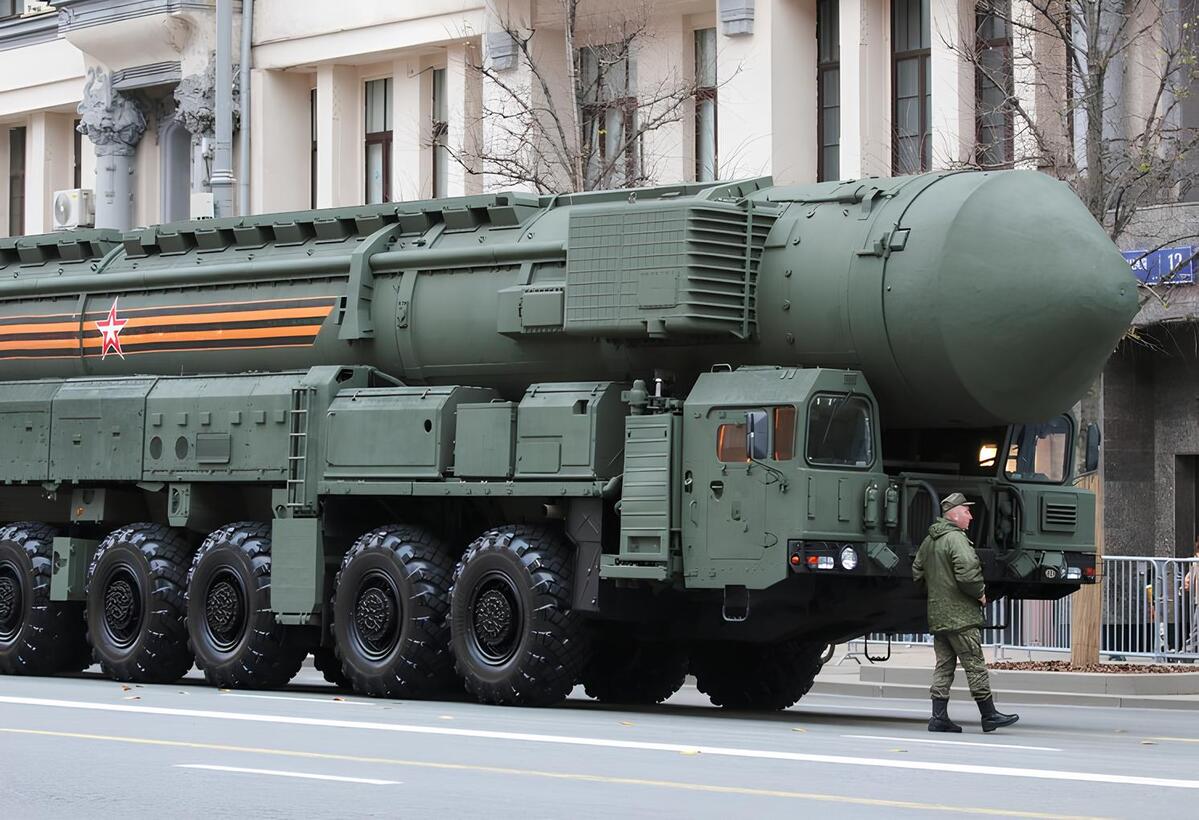
“Oreshnik” as an Argument: The Kremlin Tries to Advance Peace Rhetoric Through a Show of Force
At his annual press conference
in Moscow, President Vladimir Putin once again demonstrated the Kremlin’s
commitment to viewing war as a means of achieving strategic objectives in
Ukraine, claiming that Russia allegedly controls the strategic initiative and
is advancing along the entire front. According to Putin, peace is possible only
on Moscow’s terms, including recognition of the annexed territories and
Ukraine’s refusal of Euro-Atlantic aspirations – positions that Kyiv and its
allies firmly reject.
At the
same time, the Russian military command officially confirmed the formation of a
new brigade equipped with the medium-range missile system “Oreshnik”,
underscoring the evolution of Russia’s armed forces toward enhanced strike
capability. Chief of the General Staff Valery Gerasimov emphasized that the
brigade was created this year and expands the army’s combat potential, which
could alter the balance of forces in certain sectors of the front.
Such a
display of strength and confidence in the success of offensive operations may
be interpreted as a signal not only to Kyiv but also to Western capitals:
Moscow seeks to show that it is ready to increase pressure and expand its
sphere of influence if diplomatic efforts do not lead to an outcome favorable
to Russia. Claims of so-called “strategic initiative” on the battlefield and
advances by Russian forces clash with the reality of a protracted conflict, in
which real territorial changes occur slowly and the accounts of the opposing
sides often diverge.
The
strengthening of Russia’s missile forces through the deployment of the
“Oreshnik” adds another layer to this strategic equation. This system, capable
of carrying both conventional and potentially nuclear warheads and already
being placed on combat duty, alters logistics and operational tactics – at
least in theoretical terms. Its deployment suggests that Moscow is prepared to
invest resources in a long-term confrontation rather than seek a compromise
that would significantly reduce its level of military readiness.
It is
important to understand that rhetoric about “strategic advantage” and future
plans often reflects a desired narrative rather than the objective dynamics of
the fighting. As more than three years of conflict have shown, positions along
the front line change slowly, while the resistance of Ukraine’s armed forces
and their partners remains resilient. In this context, statements about control
and advances may carry more psychological and political weight than indicate
any fundamental shift in the realities on the ground.
Most likely, the current
agenda reflects Moscow’s attempt to strengthen its position both in
negotiations and with its domestic audience – demonstrating strength,
technological progress, and confidence in ultimate success, even as the
conflict in practice remains prolonged and costly.


 Latest news
Latest news
Latest newsBulgaria Asks NATO to Strengthen Its Defences Amid Black Sea Threats: Sofia Fears Growing Risks to Maritime Shipping
16.Oct.2026
Black Sea Shipping Risks Threaten Bulgaria’s 5 Million Tonnes of Wheat Exports
15.Oct.2026
Georgia’s Foreign Funding and Political Ban Laws Draw Criticism from the Venice Commission
15.Oct.2026
Kazakhstan Promotes a Caspian Green Energy Corridor: Astana Seeks New Routes to the European Market
14.Oct.2026
Inflation in Romania Accelerates to 6.61%: Rising Prices Increase Pressure on Households and the Economy
13.Oct.2026
Can Europe Protect the International Criminal Court from Trump’s Sanctions?
13.Oct.2026
Georgia’s Constitutional Court Continues Case on Banning Opposition Parties: Political Pluralism at Stake
12.Oct.2026
Azerbaijan and Iran Step Up Security Contacts Amid Hijab Protests
12.Oct.2026
Personnel Shortages Complicate Ukrainian Forces’ Rotation: Ukraine Faces Long-Term Challenges on the Front Line
11.Oct.2026
Trump Eases Sanctions on Russian Fuel After Talks with Putin: Kyiv Fears Boost to Moscow’s War Revenues
10.Oct.2026
Putin Seeks to Strengthen Russia’s Influence in the Post-Soviet Space Through the CIS
10.Oct.2026
Russia and the South Caucasus: External Pressure, Political Competition and a Crisis of Trust
10.Oct.2026
Peaceful Settlement Between Armenia and Azerbaijan: Moving from Declarations to Implementation
10.Oct.2026
Moldova Ready to Accept as Many Ukrainians as Necessary if Situation Worsens This Winter
09.Oct.2026
Turkmenistan Turns Avaza into a Regional Diplomatic Hub as Caspian, Central Asian and CIS Agendas Converge
08.Oct.2026