
 17 Oct 2026









- increase the production of missiles, artillery systems, and
drones;
- expand the network of defense industry enterprises;
- strengthen the air defense system, which has become a key
factor in protecting the energy infrastructure;
- enhance the army’s resilience for a prolonged war.
- rebuilding cities and critical infrastructure;
- energy projects, including decentralization and the
transition to renewable sources;
- modernization of industry;
- stabilizing the hryvnia and the national budget.
- In the short term: holding the defense line, strengthening resilience against Russian attacks, and expanding military production.
-
In the long term:
deeper integration into the European market, infrastructure reconstruction, and
building an economy capable of functioning even during wartime.
Verkhovna Rada Approves the 2026 Budget with Record Security Spending
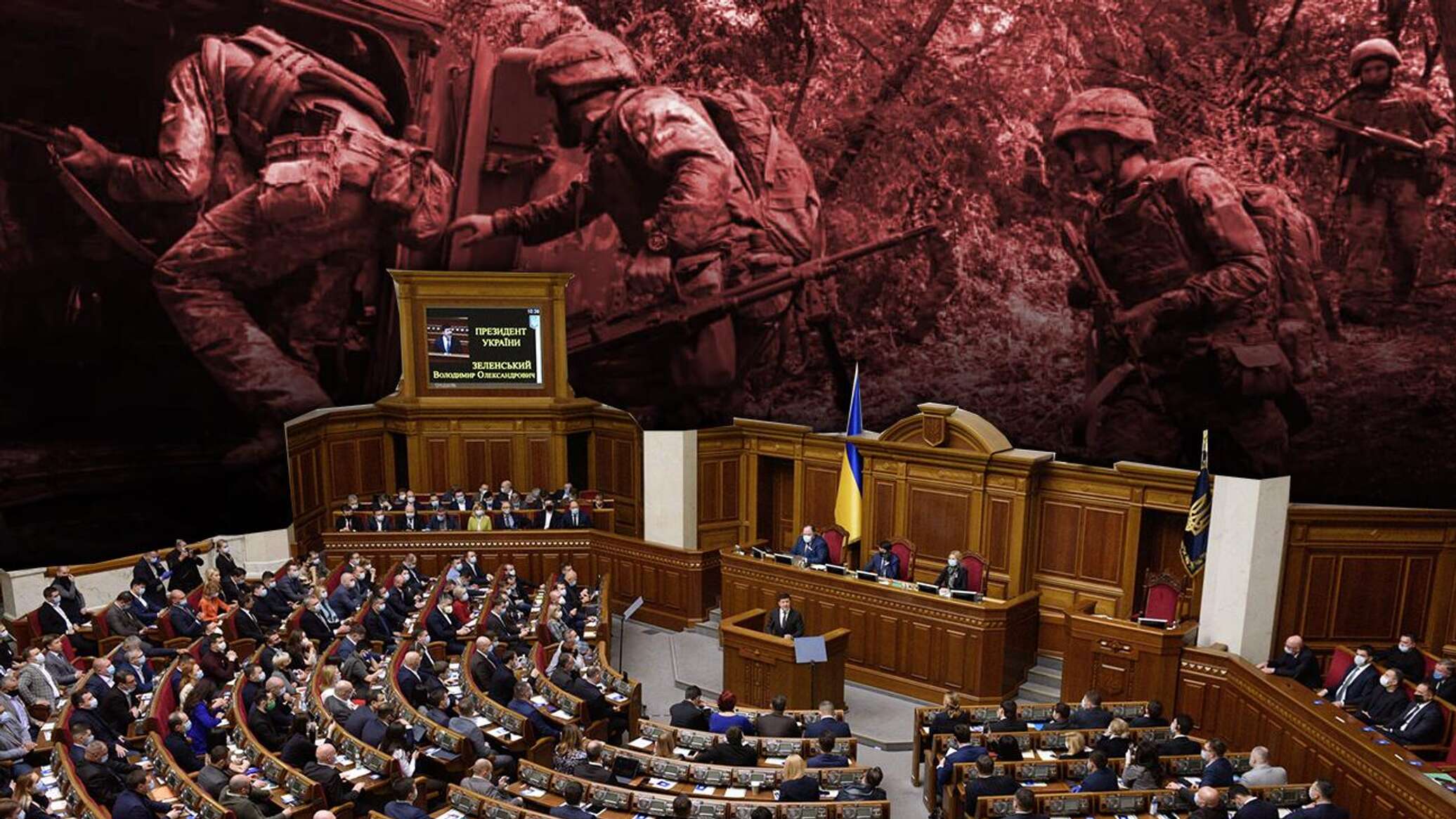
The
Verkhovna Rada of Ukraine has approved the state budget for 2026, taking one of
the boldest steps since the beginning of the war: 27.2% of the country’s GDP will be allocated to
defense — a level unmatched by any European nation today. This
decision reflects not only urgent necessity but also Kyiv’s political will to
maintain strategic defensive depth while simultaneously laying the foundation
for future counteroffensive capabilities.
According to government estimates, the additional funding
will make it possible to:
At the same time, economists warn that such allocations
imply a significant structural transformation of the economy, where the defense
sector will remain dominant for many years to come.

While Kyiv prioritizes security, the European Commission has proposed
creating a fundamentally new financial architecture for supporting Ukraine.
The initiative is based on using profits generated from frozen Russian assets —
a step that seemed politically and legally impossible just a year ago.
The initial package amounts to €90 billion, but the mechanism
provides for a possible expansion up to €210 billion, a scale comparable to the post-war Marshall
Plan.
The funds are expected to be directed toward:
This EU initiative may become not just financial assistance
but a political signal of long-term
European commitment to Ukraine.
Experts note that the combination of increased defense spending and the new European financial initiative is shaping a new two-level strategy for Ukraine:
Balancing these tasks remains challenging. But analysts believe that, for the first time, Ukraine has a chance to simultaneously reinforce its defense and plan recovery — not as competing priorities, but as interconnected components of a unified national strategy.


 Latest news
Latest news
Latest newsBulgaria Asks NATO to Strengthen Its Defences Amid Black Sea Threats: Sofia Fears Growing Risks to Maritime Shipping
16.Oct.2026
Black Sea Shipping Risks Threaten Bulgaria’s 5 Million Tonnes of Wheat Exports
15.Oct.2026
Georgia’s Foreign Funding and Political Ban Laws Draw Criticism from the Venice Commission
15.Oct.2026
Kazakhstan Promotes a Caspian Green Energy Corridor: Astana Seeks New Routes to the European Market
14.Oct.2026
Inflation in Romania Accelerates to 6.61%: Rising Prices Increase Pressure on Households and the Economy
13.Oct.2026
Can Europe Protect the International Criminal Court from Trump’s Sanctions?
13.Oct.2026
Georgia’s Constitutional Court Continues Case on Banning Opposition Parties: Political Pluralism at Stake
12.Oct.2026
Azerbaijan and Iran Step Up Security Contacts Amid Hijab Protests
12.Oct.2026
Personnel Shortages Complicate Ukrainian Forces’ Rotation: Ukraine Faces Long-Term Challenges on the Front Line
11.Oct.2026
Trump Eases Sanctions on Russian Fuel After Talks with Putin: Kyiv Fears Boost to Moscow’s War Revenues
10.Oct.2026
Putin Seeks to Strengthen Russia’s Influence in the Post-Soviet Space Through the CIS
10.Oct.2026
Russia and the South Caucasus: External Pressure, Political Competition and a Crisis of Trust
10.Oct.2026
Peaceful Settlement Between Armenia and Azerbaijan: Moving from Declarations to Implementation
10.Oct.2026
Moldova Ready to Accept as Many Ukrainians as Necessary if Situation Worsens This Winter
09.Oct.2026
Turkmenistan Turns Avaza into a Regional Diplomatic Hub as Caspian, Central Asian and CIS Agendas Converge
08.Oct.2026