
 17 Oct 2026









The United States and Ukraine Agree on an Updated Peace Plan: Fewer Provisions, Controversial Points, and Allies’ Reactions
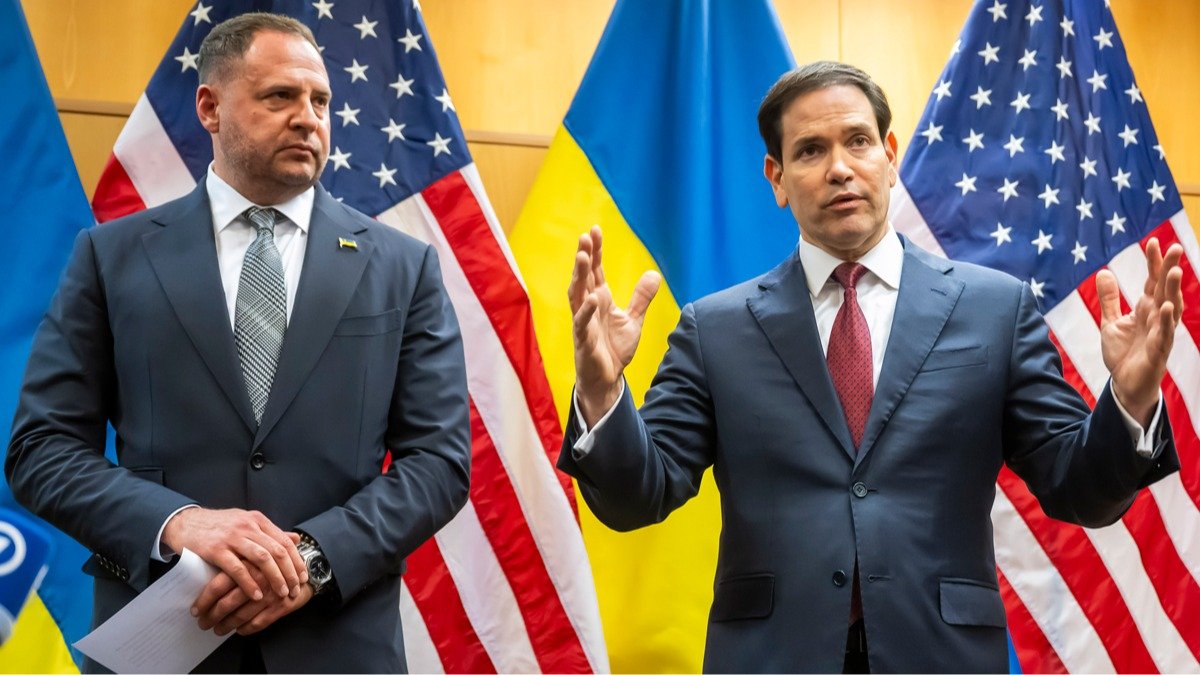
The United States and Ukraine have reached an agreement on a
“refined framework” peace plan following negotiations held in Geneva. The
document is the result of intensive consultations and reflects Washington’s
attempt to accelerate the diplomatic process aimed at resolving the war between
Russia and Ukraine.
A key change is the significant reduction of the original
plan: while the initial U.S. proposal consisted of 28 points, the updated
version now contains only 19. This indicates that both sides sought to remove
the most sensitive or vague provisions in order to increase the plan’s realism
and improve its chances of further discussion with international partners.
However, despite this progress, several elements have
sparked serious debate and criticism within Ukraine and among European allies.
Some provisions reportedly involve potential territorial concessions, as well
as limitations on the development or use of certain capabilities of the
Ukrainian Armed Forces.
These points are viewed as risking the undermining of
Ukraine’s sovereignty and defense capabilities. Several European capitals,
according to the same sources, have expressed concerns that such compromises
could weaken not only Kyiv but also the broader architecture of European
security.
Nevertheless, the U.S. initiative remains the most comprehensive diplomatic proposal currently on the table, and Washington hopes that the updated version will help shift the situation “from a war of attrition to a political process,” while preserving Ukraine’s core interests.


 Latest news
Latest news
Latest newsBulgaria Asks NATO to Strengthen Its Defences Amid Black Sea Threats: Sofia Fears Growing Risks to Maritime Shipping
16.Oct.2026
Black Sea Shipping Risks Threaten Bulgaria’s 5 Million Tonnes of Wheat Exports
15.Oct.2026
Georgia’s Foreign Funding and Political Ban Laws Draw Criticism from the Venice Commission
15.Oct.2026
Kazakhstan Promotes a Caspian Green Energy Corridor: Astana Seeks New Routes to the European Market
14.Oct.2026
Inflation in Romania Accelerates to 6.61%: Rising Prices Increase Pressure on Households and the Economy
13.Oct.2026
Can Europe Protect the International Criminal Court from Trump’s Sanctions?
13.Oct.2026
Georgia’s Constitutional Court Continues Case on Banning Opposition Parties: Political Pluralism at Stake
12.Oct.2026
Azerbaijan and Iran Step Up Security Contacts Amid Hijab Protests
12.Oct.2026
Personnel Shortages Complicate Ukrainian Forces’ Rotation: Ukraine Faces Long-Term Challenges on the Front Line
11.Oct.2026
Trump Eases Sanctions on Russian Fuel After Talks with Putin: Kyiv Fears Boost to Moscow’s War Revenues
10.Oct.2026
Putin Seeks to Strengthen Russia’s Influence in the Post-Soviet Space Through the CIS
10.Oct.2026
Russia and the South Caucasus: External Pressure, Political Competition and a Crisis of Trust
10.Oct.2026
Peaceful Settlement Between Armenia and Azerbaijan: Moving from Declarations to Implementation
10.Oct.2026
Moldova Ready to Accept as Many Ukrainians as Necessary if Situation Worsens This Winter
09.Oct.2026
Turkmenistan Turns Avaza into a Regional Diplomatic Hub as Caspian, Central Asian and CIS Agendas Converge
08.Oct.2026