
 17 Oct 2026









Zelensky Says He Is Ready to Work on U.S. Peace Plan as European Allies Voice Concerns
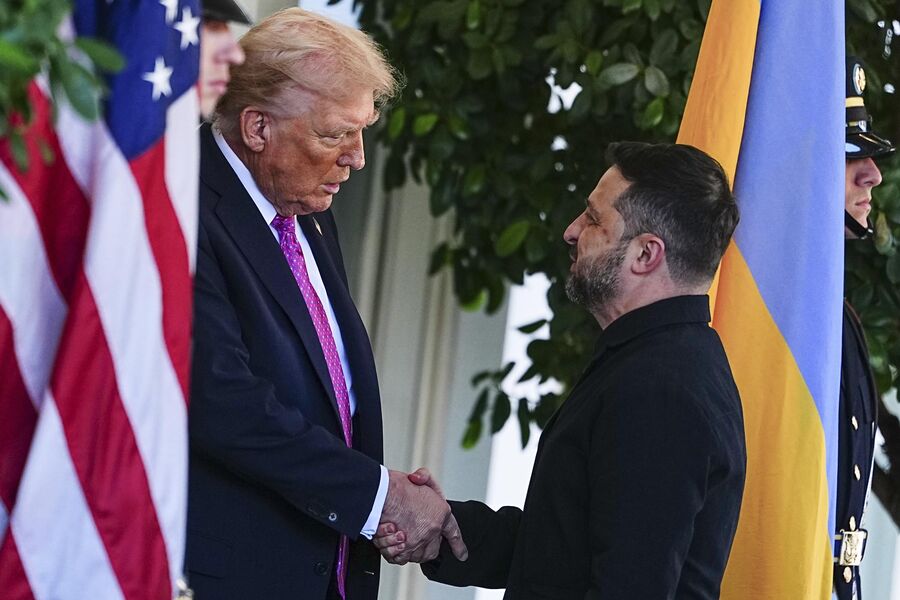
Ukrainian
President Volodymyr Zelensky has confirmed Kyiv’s readiness to cooperate with
the United States on the 28-point peace plan proposed by Washington. He made
the statement on November 20, commenting on U.S. diplomatic efforts aimed at
accelerating the peace process.
According to diplomatic sources, the initiative
involves a number of concessions, including discussions on the future of
certain occupied territories, restrictions on the deployment of weapons, and
broader security guarantees for Russia. These provisions have raised concerns
among Ukraine’s European partners, who fear the document may pressure Kyiv into
unilateral compromises.
Zelensky: “We are ready to discuss every point as long as it does not violate our principles”.
Zelensky stated that Ukraine regards the American
proposal as a foundation for further negotiations, but emphasized that any
decisions will be made “exclusively in the interests of the Ukrainian people
and with full regard for national security.” He reiterated that Ukraine will
not agree to any arrangements that could legitimize Russian territorial gains
or limit the country’s sovereignty.
The U.S. proposal has been met with caution in several
European capitals. Some EU member states worry that Washington is seeking to
accelerate the peace process amid domestic political dynamics in the United
States, potentially pushing Ukraine toward a settlement that is politically
advantageous for America but not necessarily sustainable for European security.
According to media reports, France, Poland, and the
Baltic states have already expressed concern that the plan could effectively
cement the current front line and turn the conflict into a long-term “frozen”
scenario.
As Western military support declines and Russian
forces continue their offensive, pressure on Kyiv has been mounting. The U.S.
is attempting to construct a diplomatic framework that would reduce the
intensity of hostilities, while Ukraine remains focused on receiving continued
aid and weapons supplies.
At the same time, Ukraine’s launch of mass production
of interceptor drones, the new defense contract with France, and recent strikes
on Russian infrastructure indicate that Kyiv intends to maintain an active
posture on the battlefield.
According to political observers, Zelensky’s
willingness to “work on the plan” does not signal readiness to accept it in its
current form. Rather, Kyiv appears to be seeking to preserve the United States
as its key strategic partner while simultaneously signaling to Europe its
openness to diplomatic discussions.
However, the very wording of the U.S. initiative —
with potential territorial and military restrictions — may create domestic
pressure within Ukraine, where public opinion remains firmly opposed to
concessions, especially after months of intense fighting.
Experts warn that if Washington insists on such compromises, it could lead to serious tensions within the anti-Putin coalition and potentially alter the balance of power in Europe.


 Latest news
Latest news
Latest newsBulgaria Asks NATO to Strengthen Its Defences Amid Black Sea Threats: Sofia Fears Growing Risks to Maritime Shipping
16.Oct.2026
Black Sea Shipping Risks Threaten Bulgaria’s 5 Million Tonnes of Wheat Exports
15.Oct.2026
Georgia’s Foreign Funding and Political Ban Laws Draw Criticism from the Venice Commission
15.Oct.2026
Kazakhstan Promotes a Caspian Green Energy Corridor: Astana Seeks New Routes to the European Market
14.Oct.2026
Inflation in Romania Accelerates to 6.61%: Rising Prices Increase Pressure on Households and the Economy
13.Oct.2026
Can Europe Protect the International Criminal Court from Trump’s Sanctions?
13.Oct.2026
Georgia’s Constitutional Court Continues Case on Banning Opposition Parties: Political Pluralism at Stake
12.Oct.2026
Azerbaijan and Iran Step Up Security Contacts Amid Hijab Protests
12.Oct.2026
Personnel Shortages Complicate Ukrainian Forces’ Rotation: Ukraine Faces Long-Term Challenges on the Front Line
11.Oct.2026
Trump Eases Sanctions on Russian Fuel After Talks with Putin: Kyiv Fears Boost to Moscow’s War Revenues
10.Oct.2026
Putin Seeks to Strengthen Russia’s Influence in the Post-Soviet Space Through the CIS
10.Oct.2026
Russia and the South Caucasus: External Pressure, Political Competition and a Crisis of Trust
10.Oct.2026
Peaceful Settlement Between Armenia and Azerbaijan: Moving from Declarations to Implementation
10.Oct.2026
Moldova Ready to Accept as Many Ukrainians as Necessary if Situation Worsens This Winter
09.Oct.2026
Turkmenistan Turns Avaza into a Regional Diplomatic Hub as Caspian, Central Asian and CIS Agendas Converge
08.Oct.2026