
 17 Oct 2026









- LNG remains more expensive than pipeline gas;
- Balkan gas infrastructure is not ideally suited for
large-scale flows;
- Russia may intensify pressure on Ukraine’s energy system
precisely as the new supply scheme begins operating;
- Political shifts within certain EU member states could
affect long-term support.
Greece Provides Ukraine with an Energy Shield for the Winter: What Stands Behind the New LNG Supply Agreement?
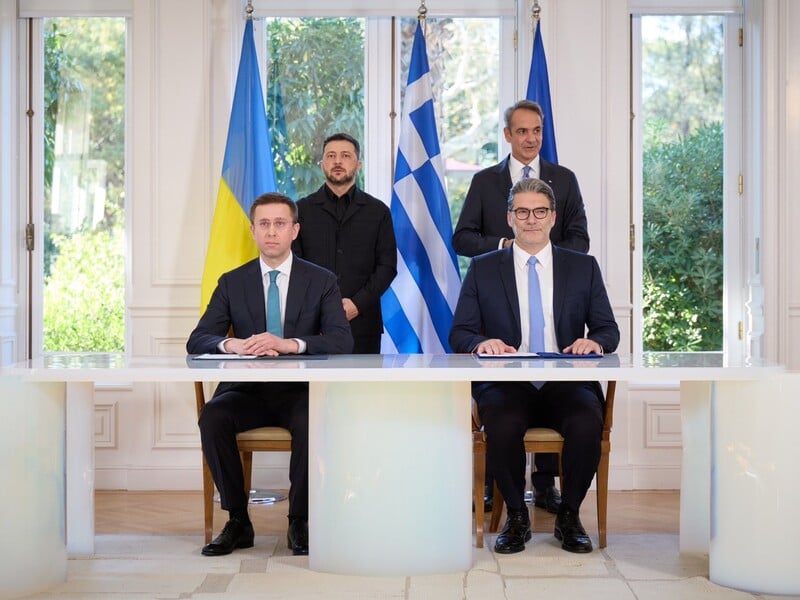
Greece
and Ukraine have signed an agreement on the supply of liquefied natural gas
(LNG) for the period from December 2025 to March 2026 – a step already
described as one of the key elements of Ukraine’s winter energy security. Amid
continued Russian strikes on critical infrastructure, the deal goes far beyond
commercial cooperation and has become a political and strategic instrument of
support.
Ukraine is entering the winter season in a state of
heightened vulnerability. Since October, the country has faced a new wave of
attacks targeting power plants, substations, and distribution facilities. This
makes access to additional LNG volumes an integral part of Ukraine’s “energy
defense”.
It is worth noting that during the P-TEC Summit
(Partnership for Transatlantic Energy Cooperation), held on 6–7 November 2025
in Athens, Greece and the United States formalized a long-term energy
partnership by signing a 20-year contract for American LNG supplies – significantly
strengthening Greece’s role as a major “energy gateway” to Europe.

LNG deliveries through Greek terminals will allow Kyiv to
compensate for potential gas shortages and rapidly respond to fluctuations in
electricity generation. Essentially, Athens is providing Ukraine with a
strategic resource that may prove decisive if large-scale strikes on thermal
and combined heat-and-power plants continue.
The agreement underscores Greece’s transformation into a
key regional energy hub. Access to LNG via Greek terminals bolsters the
southern supply corridor, helping Ukraine diversify both its energy sources and
supply routes – critical factors of resilience during wartime. For the European
Union, the move reflects an ongoing policy of energy solidarity. The EU
demonstrates its readiness to help offset Ukraine’s infrastructural losses and
prevent energy blackmail by expanding alternative supply channels.
The first gas volumes under the new agreement are expected
to arrive as early as December, giving Ukraine additional resilience ahead of
the winter heating season. Against a backdrop of ongoing attacks, such
international arrangements become essential components of stability, shaping
Ukraine’s ability to maintain functionality in wartime conditions.
As a result, the new
LNG supplies will stabilize Ukraine’s domestic gas market, reduce the load on
storage facilities, provide flexibility in winter energy balancing, and
strengthen the country’s independence from vulnerable supply routes.
Geopolitically, the agreement reinforces Kyiv’s position
within its relations with the EU, where energy security has become a central
dimension of political integration. Greece, meanwhile, enhances its influence
across the Eastern Mediterranean and Balkan energy corridors.
Despite its strategic significance, the agreement also
carries risks:
However, the benefits for Ukraine outweigh the risks, since the country’s primary objective – maintaining the operability of its energy system through the winter – has no alternative. Beyond the immediate needs, the deal lays the foundation for a new format of strategic cooperation between Ukraine and Greece, opening the door to long-term contracts and the expansion of energy routes through Southern Europe.


 Latest news
Latest news
Latest newsBulgaria Asks NATO to Strengthen Its Defences Amid Black Sea Threats: Sofia Fears Growing Risks to Maritime Shipping
16.Oct.2026
Black Sea Shipping Risks Threaten Bulgaria’s 5 Million Tonnes of Wheat Exports
15.Oct.2026
Georgia’s Foreign Funding and Political Ban Laws Draw Criticism from the Venice Commission
15.Oct.2026
Kazakhstan Promotes a Caspian Green Energy Corridor: Astana Seeks New Routes to the European Market
14.Oct.2026
Inflation in Romania Accelerates to 6.61%: Rising Prices Increase Pressure on Households and the Economy
13.Oct.2026
Can Europe Protect the International Criminal Court from Trump’s Sanctions?
13.Oct.2026
Georgia’s Constitutional Court Continues Case on Banning Opposition Parties: Political Pluralism at Stake
12.Oct.2026
Azerbaijan and Iran Step Up Security Contacts Amid Hijab Protests
12.Oct.2026
Personnel Shortages Complicate Ukrainian Forces’ Rotation: Ukraine Faces Long-Term Challenges on the Front Line
11.Oct.2026
Trump Eases Sanctions on Russian Fuel After Talks with Putin: Kyiv Fears Boost to Moscow’s War Revenues
10.Oct.2026
Putin Seeks to Strengthen Russia’s Influence in the Post-Soviet Space Through the CIS
10.Oct.2026
Russia and the South Caucasus: External Pressure, Political Competition and a Crisis of Trust
10.Oct.2026
Peaceful Settlement Between Armenia and Azerbaijan: Moving from Declarations to Implementation
10.Oct.2026
Moldova Ready to Accept as Many Ukrainians as Necessary if Situation Worsens This Winter
09.Oct.2026
Turkmenistan Turns Avaza into a Regional Diplomatic Hub as Caspian, Central Asian and CIS Agendas Converge
08.Oct.2026