
 17 Oct 2026









- development of strategic and military-political cooperation;
- strengthening economic ties amid global turbulence;
- transit, logistics, and transport corridors;
- energy, industrial cooperation, and digital projects;
- humanitarian and educational cooperation.
- the need to balance relations with China, Turkey, the EU,
and the US;
- restrictions related to sanctions;
- the risk of bureaucratic delays affecting the signed
documents.
State Visit of Kassym-Jomart Tokayev to Moscow: What Stands Behind the New Stage of Alliance?
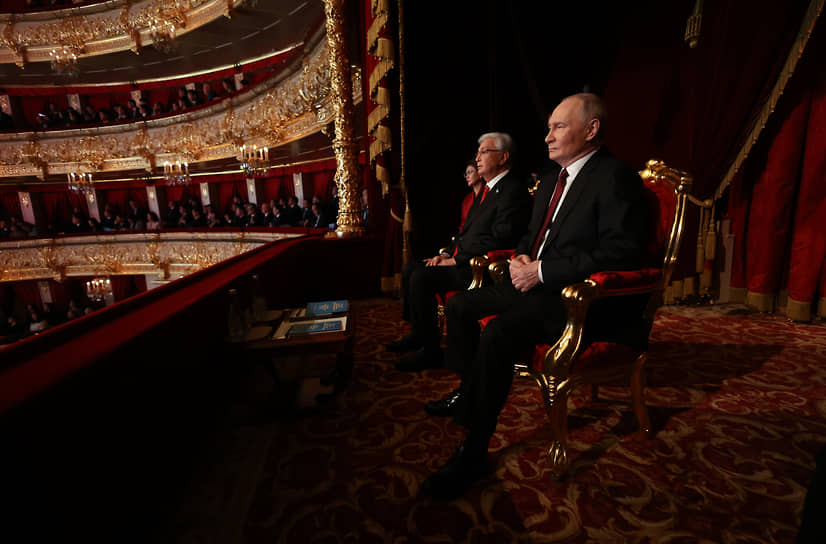
The state visit of Kazakhstan’s President Kassym-Jomart
Tokayev to Moscow became one of the most significant events in Russian-Kazakh
relations in recent years. It was not only a demonstration of diplomatic
symbolism but also the consolidation of a new level of strategic partnership
between the two countries. The final touch of the visit was Tokayev’s personal
letter of gratitude to Vladimir Putin, which he sent after returning to Astana.
The plane of the Kazakh president entered Russian airspace under
escort from fighter jets – a gesture reserved only for high-level state visits.
At the airport, Tokayev was greeted by an honor guard, the national anthems of
both countries were played, and a red carpet was rolled out.
These protocol elements clearly indicate that Moscow sought
to emphasize that relations with Kazakhstan have a special, allied nature. This
was a demonstration not just of respect, but of trust and political closeness.

After the ceremonial part, the leaders proceeded to
negotiations. The main round of talks took place in the Kremlin, where Putin
and Tokayev held extended personal discussions, followed by meetings with their
wider delegations.
The agenda focused on key areas:
Both leaders affirmed that “there are no unsolvable issues between the countries”, which is in itself an important signal for the region.
The culmination of the visit was the signing of a large package of agreements. The main document was the Declaration on the transition of Russia and Kazakhstan to the level of a “comprehensive strategic partnership and alliance”.

In effect, this further formalized the allied relationship,
increasing the political and economic density of cooperation.
In addition to the declaration, around 14 intergovernmental
documents were signed, covering energy, joint investments, trade and industrial
cooperation, transportation and transit issues, as well as scientific and
educational programs.
After completing the Kremlin program, Tokayev departed Moscow,
leaving behind not only the final documents but also a clear impression of the
stability of Kazakh-Russian relations.
Moscow received an important confirmation that despite
external factors, Astana is not stepping away from the strategic axis of bilateral
ties. Kazakhstan is a country practicing careful multi-vector diplomacy, yet
the visit to Moscow demonstrated that the Russian direction remains one of the
key ones.
After returning to Kazakhstan, Tokayev sent Vladimir Putin a
letter of gratitude. In the letter, he emphasized “the atmosphere of warmth,
trust, and openness” during the visit, the full success of the negotiations,
the special importance of the signed Declaration on Alliance, the positive
response to the visit within Kazakh society, and Astana’s readiness to further
strengthen the partnership.
Such a post-visit letter is not merely a ritual. In
diplomacy, it indicates that the visiting side is genuinely satisfied with the
results and wishes to emphasize the success publicly.
Despite its multi-vector approach, Russia remains
Kazakhstan’s main partner in trade, security, and transit. The visit confirmed
that Astana has no intention to weaken these ties – on the contrary, it is
institutionalizing them.
Deepened cooperation strengthens Moscow’s position in a
region where China, Turkey, and Western countries actively compete. The signing
of the declaration is an important tool for stabilizing Russia’s “near abroad”.
The negotiations demonstrated a key trend: both countries
are pragmatic. Against the backdrop of global economic shifts, Moscow and
Astana need reliable corridors, stable markets, and joint industrial projects.
For Kazakhstan’s domestic audience, this is a signal of the
stability and predictability of its foreign policy; for the international
audience, it is a demonstration that Kazakhstan is not drifting away from
Russia despite external pressure. Nevertheless, risks remain, and both sides
acknowledge them:
Thus, Tokayev’s visit to Moscow was not merely a protocol event. It marked the consolidation of a new stage in the strategic alliance between Russia and Kazakhstan. The ceremonial reception, the substantial package of agreements, the lengthy negotiations, and the subsequent letter of gratitude all indicate that the partnership between Kazakhstan and Russia will continue to expand pragmatically.
Expert Group CCBS


 Latest news
Latest news
Latest newsBulgaria Asks NATO to Strengthen Its Defences Amid Black Sea Threats: Sofia Fears Growing Risks to Maritime Shipping
16.Oct.2026
Black Sea Shipping Risks Threaten Bulgaria’s 5 Million Tonnes of Wheat Exports
15.Oct.2026
Georgia’s Foreign Funding and Political Ban Laws Draw Criticism from the Venice Commission
15.Oct.2026
Kazakhstan Promotes a Caspian Green Energy Corridor: Astana Seeks New Routes to the European Market
14.Oct.2026
Inflation in Romania Accelerates to 6.61%: Rising Prices Increase Pressure on Households and the Economy
13.Oct.2026
Can Europe Protect the International Criminal Court from Trump’s Sanctions?
13.Oct.2026
Georgia’s Constitutional Court Continues Case on Banning Opposition Parties: Political Pluralism at Stake
12.Oct.2026
Azerbaijan and Iran Step Up Security Contacts Amid Hijab Protests
12.Oct.2026
Personnel Shortages Complicate Ukrainian Forces’ Rotation: Ukraine Faces Long-Term Challenges on the Front Line
11.Oct.2026
Trump Eases Sanctions on Russian Fuel After Talks with Putin: Kyiv Fears Boost to Moscow’s War Revenues
10.Oct.2026
Putin Seeks to Strengthen Russia’s Influence in the Post-Soviet Space Through the CIS
10.Oct.2026
Russia and the South Caucasus: External Pressure, Political Competition and a Crisis of Trust
10.Oct.2026
Peaceful Settlement Between Armenia and Azerbaijan: Moving from Declarations to Implementation
10.Oct.2026
Moldova Ready to Accept as Many Ukrainians as Necessary if Situation Worsens This Winter
09.Oct.2026
Turkmenistan Turns Avaza into a Regional Diplomatic Hub as Caspian, Central Asian and CIS Agendas Converge
08.Oct.2026