
 17 Oct 2026









Russian forces roll 'Mad Max'-style into battered Ukrainian city of Pokrovsk
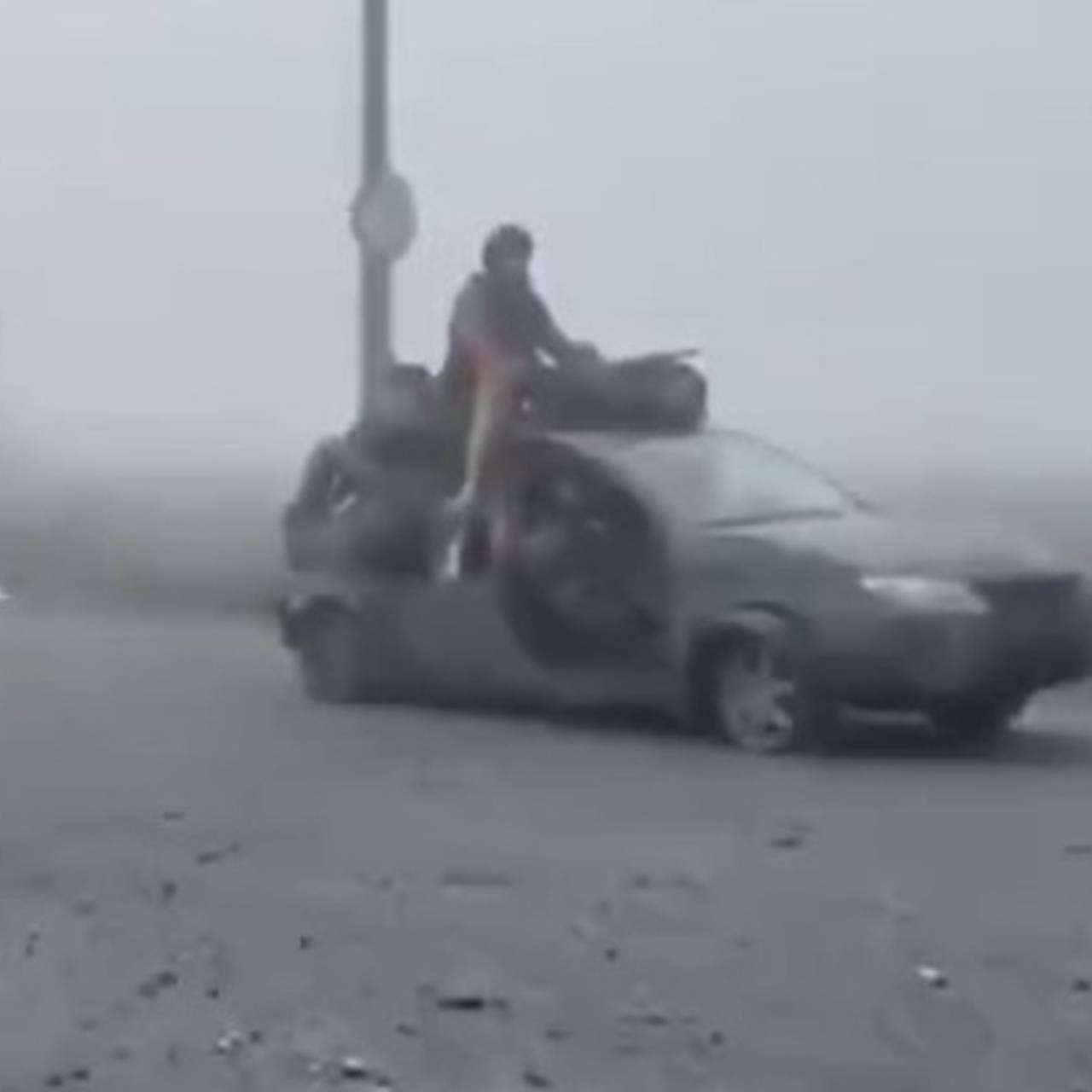
In the military chronicles of the latest stage of the war in
eastern Ukraine, a disturbing episode has emerged: Russian troops claim to be
advancing into the city of Pokrovsk and the Kupiansk area. A video released
online shows soldiers riding motorcycles and moving over the roofs of old cars
and vans – a scene reminiscent of the
movie Mad Max.
According to the Russian command, units with the call sign Hunter reported taking control of an
oil depot on the eastern outskirts of Kupiansk and several railway stations in
nearby settlements.
The Ukrainian command, however, insists that the city
remains under its control and that supply routes to the nearby city of
Myrnohrad are still operational.
Official Russian statements add that 256 buildings in
Pokrovsk have been captured, with forces advancing northwest and east from the
city’s railway station. However, these claims cannot be independently verified –
information from the front line remains extremely limited.
Pokrovsk is often referred to in Russian media as the “gateway to Donetsk”, and its capture could potentially open the road toward the region’s major cities – Sloviansk and Kramatorsk.
The use of unconventional vehicles (motorcycles, car roofs)
is not a sign of technological superiority but rather a tactical maneuver aimed
at infiltration, confusing the enemy, and creating a powerful visual effect.
Even if actual control has not been established, the dissemination of such
videos and statements is part of the information war – intended to undermine
the morale of the defense forces and the civilian population.
Analysts note that this tactic differs from the massive frontal assaults seen earlier: it relies instead on maneuver, encirclement, and the seizure of key communications. Videos featuring motorcycles, battered cars, and snow-covered roads, experts say, serve a psychological function – to convey a sense of surprise, chaos, and mobility.


 Latest news
Latest news
Latest newsBulgaria Asks NATO to Strengthen Its Defences Amid Black Sea Threats: Sofia Fears Growing Risks to Maritime Shipping
16.Oct.2026
Black Sea Shipping Risks Threaten Bulgaria’s 5 Million Tonnes of Wheat Exports
15.Oct.2026
Georgia’s Foreign Funding and Political Ban Laws Draw Criticism from the Venice Commission
15.Oct.2026
Kazakhstan Promotes a Caspian Green Energy Corridor: Astana Seeks New Routes to the European Market
14.Oct.2026
Inflation in Romania Accelerates to 6.61%: Rising Prices Increase Pressure on Households and the Economy
13.Oct.2026
Can Europe Protect the International Criminal Court from Trump’s Sanctions?
13.Oct.2026
Georgia’s Constitutional Court Continues Case on Banning Opposition Parties: Political Pluralism at Stake
12.Oct.2026
Azerbaijan and Iran Step Up Security Contacts Amid Hijab Protests
12.Oct.2026
Personnel Shortages Complicate Ukrainian Forces’ Rotation: Ukraine Faces Long-Term Challenges on the Front Line
11.Oct.2026
Trump Eases Sanctions on Russian Fuel After Talks with Putin: Kyiv Fears Boost to Moscow’s War Revenues
10.Oct.2026
Putin Seeks to Strengthen Russia’s Influence in the Post-Soviet Space Through the CIS
10.Oct.2026
Russia and the South Caucasus: External Pressure, Political Competition and a Crisis of Trust
10.Oct.2026
Peaceful Settlement Between Armenia and Azerbaijan: Moving from Declarations to Implementation
10.Oct.2026
Moldova Ready to Accept as Many Ukrainians as Necessary if Situation Worsens This Winter
09.Oct.2026
Turkmenistan Turns Avaza into a Regional Diplomatic Hub as Caspian, Central Asian and CIS Agendas Converge
08.Oct.2026