
 17 Oct 2026









Kremlin announces “the most modern” nuclear triad
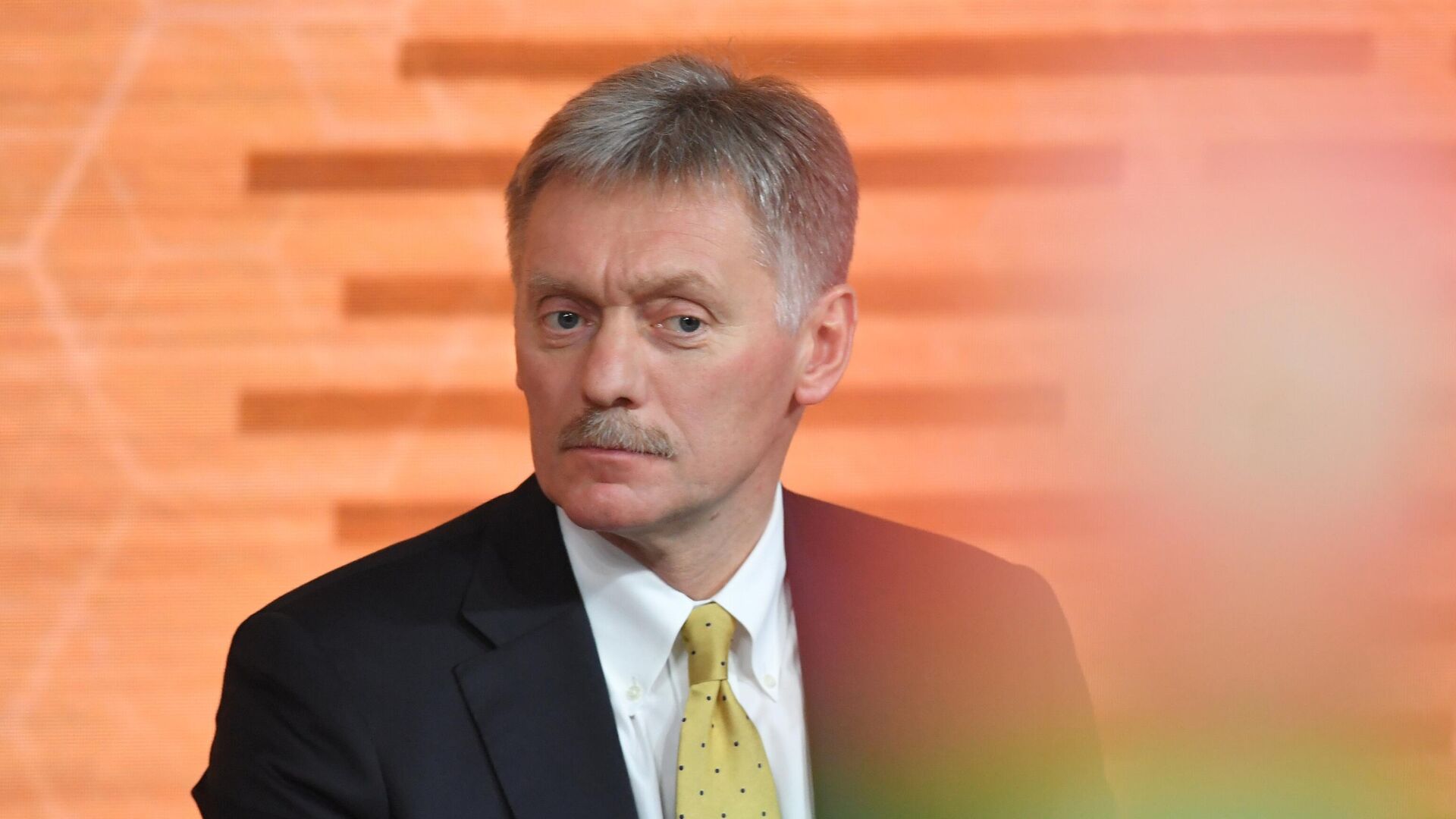
Kremlin spokesperson Dmitry Peskov stated that Russia’s nuclear triad is “practically the newest in the world”. According to Peskov, in recent years Russia has carried out large-scale modernization of its strategic forces, including land-based, naval, and air components. He emphasized that updating the nuclear arsenal is a key element in ensuring national security and strategic deterrence.
The Kremlin representative also noted that modernization will continue despite international pressure and sanctions, and that Russian defense programs “are being implemented strictly in accordance with the interests of the state’s security”.

The statement comes amid intensified global nuclear rhetoric, U.S. discussions on nuclear modernization programs, and increased attention to the issue of strategic balance among leading nuclear powers. It serves as a public reaffirmation of Russia’s course toward strengthening its strategic nuclear infrastructure in the context of growing geopolitical confrontation.

The message is directed at several audiences: domestically – to demonstrate technological self-sufficiency and military strength; internationally – as a signal to the U.S., NATO, and their allies that strategic balance is being preserved; and to BRICS partners and the Global South – as confirmation of Russia’s status as a nuclear superpower.
In combination with discussions regarding the possible resumption of nuclear testing and the modernization of missile systems, this statement forms a tougher strategic stance by Moscow. It reinforces a “Cold War 2.0” narrative, where nuclear capability again becomes a core element of international security, diplomatic channels between Russia and the West remain limited, and any statements about modernization are perceived as a tool of pressure.


 Latest news
Latest news
Latest newsBulgaria Asks NATO to Strengthen Its Defences Amid Black Sea Threats: Sofia Fears Growing Risks to Maritime Shipping
16.Oct.2026
Black Sea Shipping Risks Threaten Bulgaria’s 5 Million Tonnes of Wheat Exports
15.Oct.2026
Georgia’s Foreign Funding and Political Ban Laws Draw Criticism from the Venice Commission
15.Oct.2026
Kazakhstan Promotes a Caspian Green Energy Corridor: Astana Seeks New Routes to the European Market
14.Oct.2026
Inflation in Romania Accelerates to 6.61%: Rising Prices Increase Pressure on Households and the Economy
13.Oct.2026
Can Europe Protect the International Criminal Court from Trump’s Sanctions?
13.Oct.2026
Georgia’s Constitutional Court Continues Case on Banning Opposition Parties: Political Pluralism at Stake
12.Oct.2026
Azerbaijan and Iran Step Up Security Contacts Amid Hijab Protests
12.Oct.2026
Personnel Shortages Complicate Ukrainian Forces’ Rotation: Ukraine Faces Long-Term Challenges on the Front Line
11.Oct.2026
Trump Eases Sanctions on Russian Fuel After Talks with Putin: Kyiv Fears Boost to Moscow’s War Revenues
10.Oct.2026
Putin Seeks to Strengthen Russia’s Influence in the Post-Soviet Space Through the CIS
10.Oct.2026
Russia and the South Caucasus: External Pressure, Political Competition and a Crisis of Trust
10.Oct.2026
Peaceful Settlement Between Armenia and Azerbaijan: Moving from Declarations to Implementation
10.Oct.2026
Moldova Ready to Accept as Many Ukrainians as Necessary if Situation Worsens This Winter
09.Oct.2026
Turkmenistan Turns Avaza into a Regional Diplomatic Hub as Caspian, Central Asian and CIS Agendas Converge
08.Oct.2026