
 17 Oct 2026









Georgia's Ruling Party Moves to Ban Three Opposition Groups
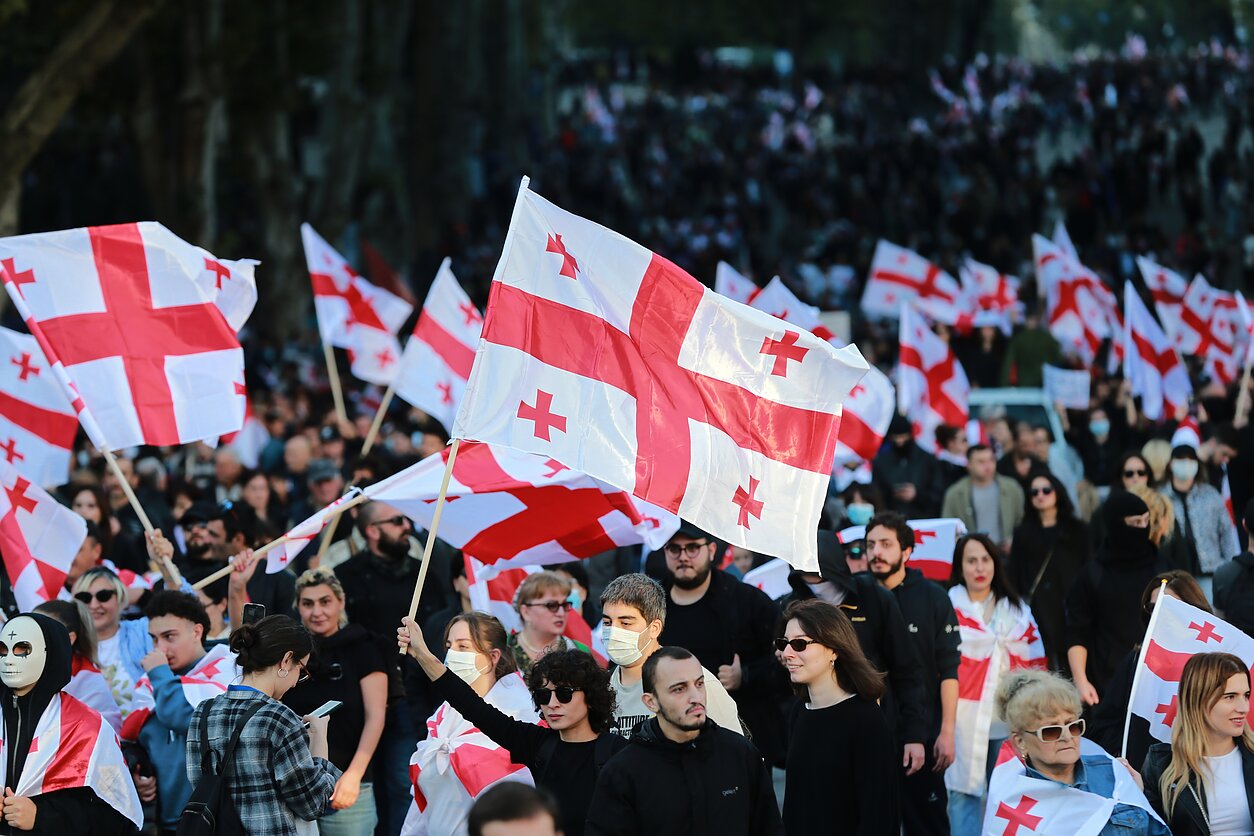
The ruling Georgian Dream party has filed a lawsuit seeking to ban three major opposition organizations – the United National Movement, Lelo-Strong Georgia, and the Coalition for Change. According to government representatives, the lawsuit is motivated by “threats to national stability” and “foreign interference through opposition structures”. The opposition parties called the move a “politically motivated attack on democracy” and stated that they intend to continue their fight through legal means.
Opposition representatives have already announced plans to appeal any potential verdict by Georgian courts, including to the European Court of Human Rights. They emphasize that the ruling party’s initiative “creates an unprecedented risk for the multi-party system and fundamental democratic freedoms” in the country.
Observers note that the attempt to ban opposition forces could become the most significant political crisis in Georgia in recent years. Experts warn that such actions could further damage Tbilisi’s relations with Western partners and intensify international concerns about the state of democracy in Georgia.
The government has yet to provide detailed legal justification or a timeline for reviewing the lawsuit. Opposition groups continue consultations, stating they are ready for mass political mobilization if the situation escalates.
The Georgian Dream’s lawsuit to ban three key opposition forces is a strategic move that could radically reshape the country’s political landscape. Formally, the authorities speak of “national security”, but in essence, this appears to be an attempt to eliminate major competitors ahead of the next political cycle and consolidate full control over power.


 Latest news
Latest news
Latest newsBulgaria Asks NATO to Strengthen Its Defences Amid Black Sea Threats: Sofia Fears Growing Risks to Maritime Shipping
16.Oct.2026
Black Sea Shipping Risks Threaten Bulgaria’s 5 Million Tonnes of Wheat Exports
15.Oct.2026
Georgia’s Foreign Funding and Political Ban Laws Draw Criticism from the Venice Commission
15.Oct.2026
Kazakhstan Promotes a Caspian Green Energy Corridor: Astana Seeks New Routes to the European Market
14.Oct.2026
Inflation in Romania Accelerates to 6.61%: Rising Prices Increase Pressure on Households and the Economy
13.Oct.2026
Can Europe Protect the International Criminal Court from Trump’s Sanctions?
13.Oct.2026
Georgia’s Constitutional Court Continues Case on Banning Opposition Parties: Political Pluralism at Stake
12.Oct.2026
Azerbaijan and Iran Step Up Security Contacts Amid Hijab Protests
12.Oct.2026
Personnel Shortages Complicate Ukrainian Forces’ Rotation: Ukraine Faces Long-Term Challenges on the Front Line
11.Oct.2026
Trump Eases Sanctions on Russian Fuel After Talks with Putin: Kyiv Fears Boost to Moscow’s War Revenues
10.Oct.2026
Putin Seeks to Strengthen Russia’s Influence in the Post-Soviet Space Through the CIS
10.Oct.2026
Russia and the South Caucasus: External Pressure, Political Competition and a Crisis of Trust
10.Oct.2026
Peaceful Settlement Between Armenia and Azerbaijan: Moving from Declarations to Implementation
10.Oct.2026
Moldova Ready to Accept as Many Ukrainians as Necessary if Situation Worsens This Winter
09.Oct.2026
Turkmenistan Turns Avaza into a Regional Diplomatic Hub as Caspian, Central Asian and CIS Agendas Converge
08.Oct.2026