
 17 Oct 2026









Ukraine Accuses Russia of “Nuclear Terrorism” Over Strikes on Energy Infrastructure
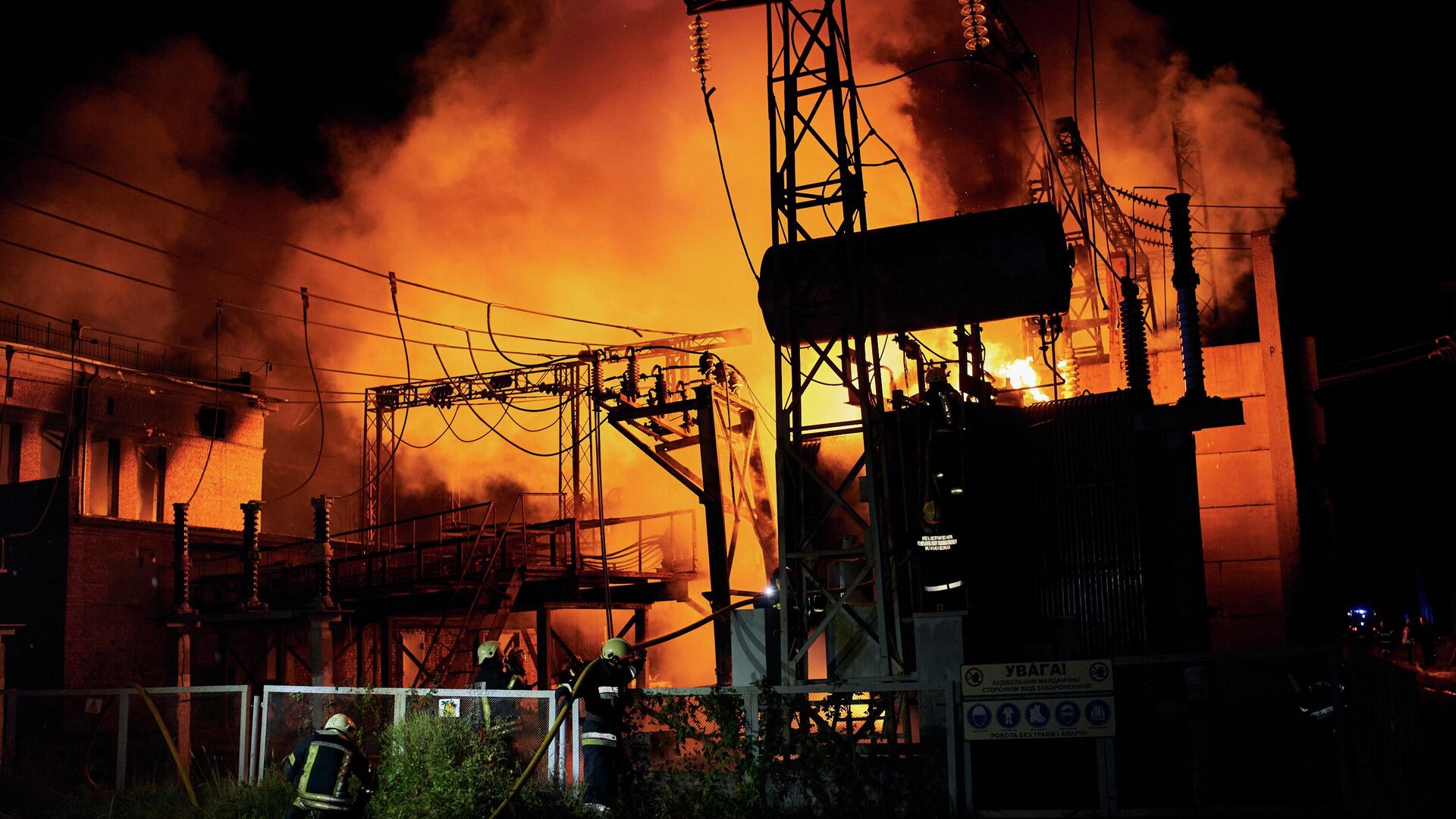
Ukraine has claimed that Russia’s massive strikes on the country’s energy infrastructure constitute an act of “nuclear terrorism”. According to Kyiv, the attacks targeted major substations and power hubs that ensure the operation of critical facilities, including those related to nuclear safety.
Ukrainian authorities emphasize that damage to such facilities creates a threat to the stability of the energy system and may lead to disruptions in the operation of nuclear power units, which, they say, “poses the risk of a continental-scale catastrophe”.
Similar concerns have previously been voiced by representatives of international organizations, who note that strikes on facilities connected to nuclear infrastructure violate the norms of international humanitarian law and can lead to unpredictable consequences.
Moscow, in turn, states that its targets are military and industrial-energy facilities supporting Ukraine’s defense infrastructure. Russian officials consistently deny accusations of striking civilian and critically dangerous sites.
Attacks on Ukraine’s energy system have increased since early autumn, which, according to analysts, may be part of a strategy to pressure the country ahead of the winter period.
The term “nuclear terrorism” is not only an accusation but also a long-term political and legal strategy. Ukraine aims to establish a norm equating strikes on energy infrastructure linked to nuclear power plants with the use of nuclear threats. Russia, for its part, relies on military-energy pressure and escalation control at a level that prevents the crisis from turning into a new Chernobyl.


 Latest news
Latest news
Latest newsBulgaria Asks NATO to Strengthen Its Defences Amid Black Sea Threats: Sofia Fears Growing Risks to Maritime Shipping
16.Oct.2026
Black Sea Shipping Risks Threaten Bulgaria’s 5 Million Tonnes of Wheat Exports
15.Oct.2026
Georgia’s Foreign Funding and Political Ban Laws Draw Criticism from the Venice Commission
15.Oct.2026
Kazakhstan Promotes a Caspian Green Energy Corridor: Astana Seeks New Routes to the European Market
14.Oct.2026
Inflation in Romania Accelerates to 6.61%: Rising Prices Increase Pressure on Households and the Economy
13.Oct.2026
Can Europe Protect the International Criminal Court from Trump’s Sanctions?
13.Oct.2026
Georgia’s Constitutional Court Continues Case on Banning Opposition Parties: Political Pluralism at Stake
12.Oct.2026
Azerbaijan and Iran Step Up Security Contacts Amid Hijab Protests
12.Oct.2026
Personnel Shortages Complicate Ukrainian Forces’ Rotation: Ukraine Faces Long-Term Challenges on the Front Line
11.Oct.2026
Trump Eases Sanctions on Russian Fuel After Talks with Putin: Kyiv Fears Boost to Moscow’s War Revenues
10.Oct.2026
Putin Seeks to Strengthen Russia’s Influence in the Post-Soviet Space Through the CIS
10.Oct.2026
Russia and the South Caucasus: External Pressure, Political Competition and a Crisis of Trust
10.Oct.2026
Peaceful Settlement Between Armenia and Azerbaijan: Moving from Declarations to Implementation
10.Oct.2026
Moldova Ready to Accept as Many Ukrainians as Necessary if Situation Worsens This Winter
09.Oct.2026
Turkmenistan Turns Avaza into a Regional Diplomatic Hub as Caspian, Central Asian and CIS Agendas Converge
08.Oct.2026