
 17 Oct 2026









UK and Turkey Sign £8 Billion Deal for 20 Eurofighter Typhoon Jets
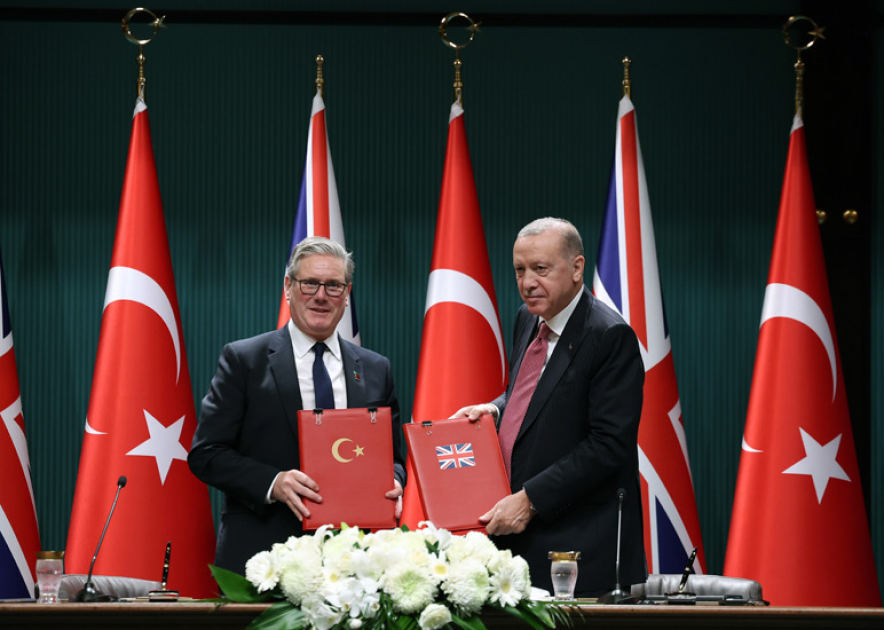
During the official visit of UK Prime Minister Keir Starmer to Ankara on October 27, 2025, an agreement was signed with Turkish President Recep Tayyip Erdoghan
for the delivery of 20 new Eurofighter
Typhoon jets, worth up to £8
billion (approximately $10.7 billion). This marks the first new Typhoon contract from the
United Kingdom since 2017.

The contract stipulates that BAE Systems (UK) will receive around £4.6 billion in revenue from the deal. Production will take place
at British manufacturing sites,
including Warton (Lancashire),
helping to sustain up to 20,000 jobs.
The first deliveries are planned for
2030, with continued production throughout the 2030s.
Thus, Turkey is
strengthening its air force infrastructure, transitioning from aging
aircraft to modern European combat platforms. The purchase is viewed as an “interim solution” until the launch of
Turkey’s indigenous fifth-generation
fighter jet, KAAN, expected to enter service around 2028. Turkey’s strategic location – a
bridge between Europe and the Middle
East – makes it a key element of NATO’s
southeastern defense structure.
The deal also helps maintain
Typhoon production lines, crucial for the UK’s defense industry and employment,
while reinforcing Britain’s position as a major arms exporter and security
partner in Europe and beyond. From NATO’s perspective, strengthening an
ally on such a critical Black Sea-Mediterranean
axis enhances collective defense.
Despite the strategic benefits, the deal has drawn criticism – concerns over human rights and democratic standards in
Turkey have been raised in the UK
Parliament and the media.
The supply of the aircraft is only part of the process; training, logistics, missile integration, and maintenance will
also be significant challenges for Turkey.
Having been
excluded from the F-35 program due to the purchase of Russian S-400 systems,
Turkey is now pursuing diversification of defense suppliers. This move reshapes
the strategic balance in the region. Turkey aims to demonstrate that it is not
only a regional actor but also an active European security partner, capable of
acting independently and modernizing. For the UK, the agreement helps bolster
its defense industrial base and project foreign policy influence. The further
development of this partnership will depend on two key factors: how quickly
Turkey can integrate the aircraft, and how effectively the UK provides support,
training, and logistics. Additionally, observers will watch whether this deal
could heighten tensions with neighboring countries (e.g., Greece) or within
NATO due to growing arms competition.


 Latest news
Latest news
Latest newsBulgaria Asks NATO to Strengthen Its Defences Amid Black Sea Threats: Sofia Fears Growing Risks to Maritime Shipping
16.Oct.2026
Black Sea Shipping Risks Threaten Bulgaria’s 5 Million Tonnes of Wheat Exports
15.Oct.2026
Georgia’s Foreign Funding and Political Ban Laws Draw Criticism from the Venice Commission
15.Oct.2026
Kazakhstan Promotes a Caspian Green Energy Corridor: Astana Seeks New Routes to the European Market
14.Oct.2026
Inflation in Romania Accelerates to 6.61%: Rising Prices Increase Pressure on Households and the Economy
13.Oct.2026
Can Europe Protect the International Criminal Court from Trump’s Sanctions?
13.Oct.2026
Georgia’s Constitutional Court Continues Case on Banning Opposition Parties: Political Pluralism at Stake
12.Oct.2026
Azerbaijan and Iran Step Up Security Contacts Amid Hijab Protests
12.Oct.2026
Personnel Shortages Complicate Ukrainian Forces’ Rotation: Ukraine Faces Long-Term Challenges on the Front Line
11.Oct.2026
Trump Eases Sanctions on Russian Fuel After Talks with Putin: Kyiv Fears Boost to Moscow’s War Revenues
10.Oct.2026
Putin Seeks to Strengthen Russia’s Influence in the Post-Soviet Space Through the CIS
10.Oct.2026
Russia and the South Caucasus: External Pressure, Political Competition and a Crisis of Trust
10.Oct.2026
Peaceful Settlement Between Armenia and Azerbaijan: Moving from Declarations to Implementation
10.Oct.2026
Moldova Ready to Accept as Many Ukrainians as Necessary if Situation Worsens This Winter
09.Oct.2026
Turkmenistan Turns Avaza into a Regional Diplomatic Hub as Caspian, Central Asian and CIS Agendas Converge
08.Oct.2026