
 17 Oct 2026









- The route increases cargo mobility and reduces
transportation costs for trade between Turkey and Azerbaijan;
- The opening of the road creates potential for transit fees
and additional jobs in Armenia’s border regions;
- Infrastructure improvements may attract investment into the
transportation sector.
- The route passes through areas with historically complex
socio-political conditions, requiring careful attention to security and traffic
management;
- The economic benefits depend directly on the stability of
bilateral relations between Armenia and Azerbaijan;
- Maintaining a high level of infrastructure and logistics
services is necessary to ensure sustainable transit.
Armenia Opens Transit Route Between Azerbaijan and Turkey: A Step Toward Regional Integration
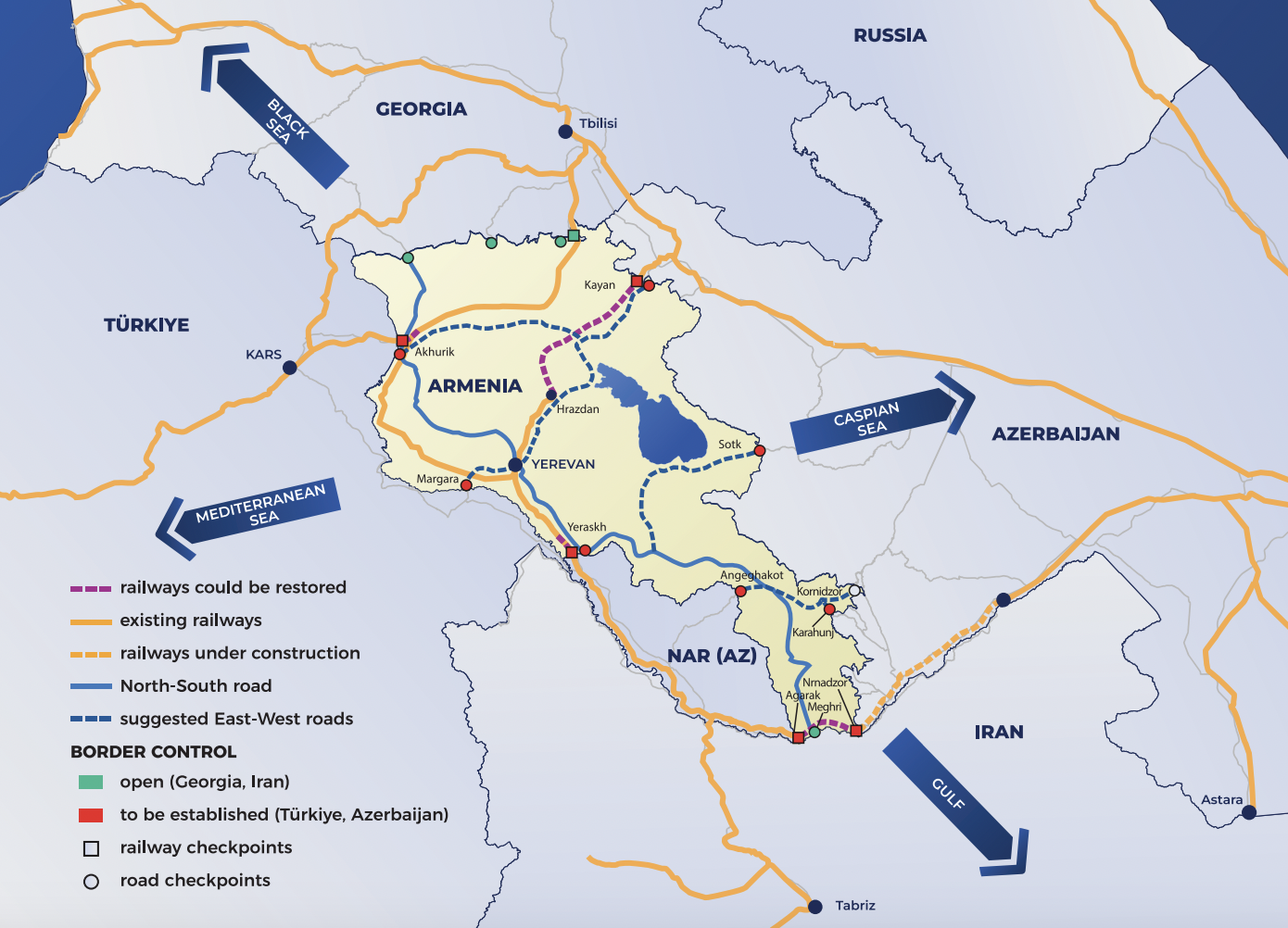
Armenia
has officially opened a transit route for cargo transportation between Turkey
and Azerbaijan through its territory. The route passes through Margara,
Yeghegnadzor, Sisian, and Goris. The first cargo transported along the new
route was Kazakh wheat.
The opening of the route comes against the backdrop of an
ongoing normalization process between Azerbaijan and Armenia. Until now,
transit between Turkey and Azerbaijan through Armenian territory had been
limited due to political and territorial disputes, with transportation mainly
relying on alternative routes through Iran or Georgia.
Notably, the opening of the route was coordinated with
third countries, including Kazakhstan, which used this path to transport
agricultural products. This highlights Armenia’s growing role as a logistics
hub in the South Caucasus region.
From a political perspective, the opening of the transit
route signals Yerevan’s readiness for closer engagement with neighboring
countries and a reduction in regional tensions. For Armenia, it represents a
step toward demonstrating good-neighborly relations and strengthening the
country’s image as a reliable partner in logistics and trade.
The economic impact is also significant:
Despite the obvious advantages, certain risks remain:
The opening of the route could be the first step toward a
broader integration of South Caucasus transportation networks and an increase
in regional trade. In the medium term, this development creates opportunities
for joint projects among countries in the region and attracts international
investment in infrastructure.
Thus, Armenia’s decision to open the transit route demonstrates a commitment to pragmatic, economically-oriented cooperation with its neighbors and opens new prospects for regional stability and economic development.


 Latest news
Latest news
Latest newsBulgaria Asks NATO to Strengthen Its Defences Amid Black Sea Threats: Sofia Fears Growing Risks to Maritime Shipping
16.Oct.2026
Black Sea Shipping Risks Threaten Bulgaria’s 5 Million Tonnes of Wheat Exports
15.Oct.2026
Georgia’s Foreign Funding and Political Ban Laws Draw Criticism from the Venice Commission
15.Oct.2026
Kazakhstan Promotes a Caspian Green Energy Corridor: Astana Seeks New Routes to the European Market
14.Oct.2026
Inflation in Romania Accelerates to 6.61%: Rising Prices Increase Pressure on Households and the Economy
13.Oct.2026
Can Europe Protect the International Criminal Court from Trump’s Sanctions?
13.Oct.2026
Georgia’s Constitutional Court Continues Case on Banning Opposition Parties: Political Pluralism at Stake
12.Oct.2026
Azerbaijan and Iran Step Up Security Contacts Amid Hijab Protests
12.Oct.2026
Personnel Shortages Complicate Ukrainian Forces’ Rotation: Ukraine Faces Long-Term Challenges on the Front Line
11.Oct.2026
Trump Eases Sanctions on Russian Fuel After Talks with Putin: Kyiv Fears Boost to Moscow’s War Revenues
10.Oct.2026
Putin Seeks to Strengthen Russia’s Influence in the Post-Soviet Space Through the CIS
10.Oct.2026
Russia and the South Caucasus: External Pressure, Political Competition and a Crisis of Trust
10.Oct.2026
Peaceful Settlement Between Armenia and Azerbaijan: Moving from Declarations to Implementation
10.Oct.2026
Moldova Ready to Accept as Many Ukrainians as Necessary if Situation Worsens This Winter
09.Oct.2026
Turkmenistan Turns Avaza into a Regional Diplomatic Hub as Caspian, Central Asian and CIS Agendas Converge
08.Oct.2026