
 17 Oct 2026









- redirecting
oil and gas exports to Asian markets;
- strengthening
domestic production of critical technologies;
- establishing
parallel financial mechanisms for settlements with partners in yuan, dirhams, and rupees.
Russia Responds to New Western Sanctions: Moscow Declares Readiness for Prolonged Pressure
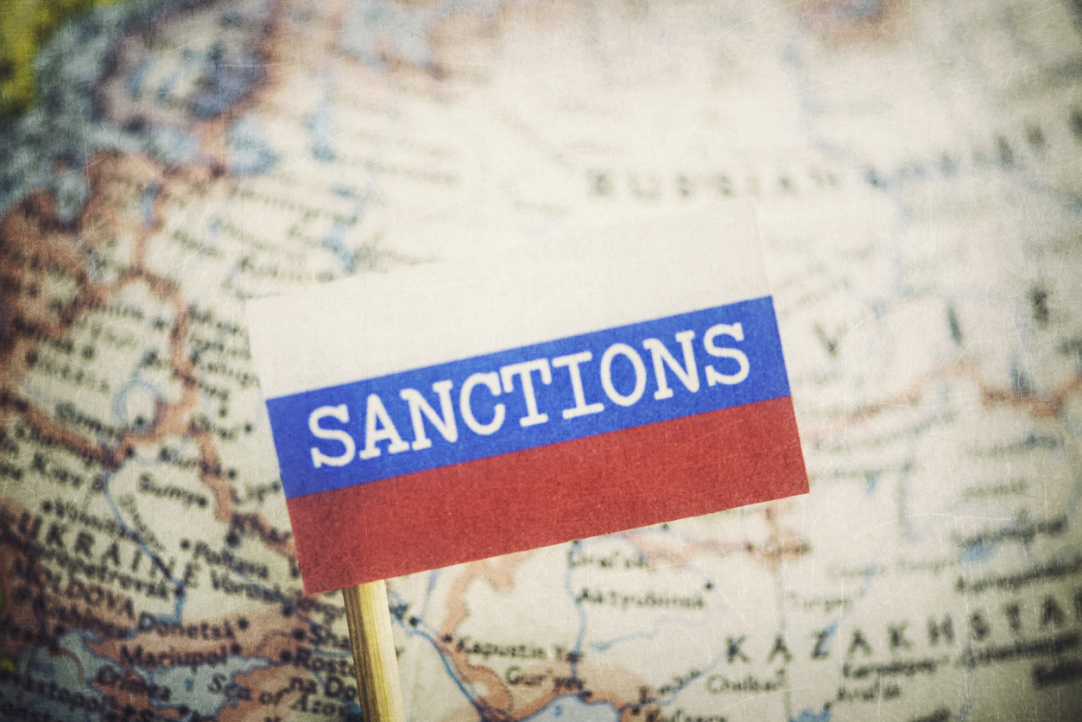
Russian
President Vladimir Putin stated
that the country will not yield to external pressure despite the new sanctions
imposed by the United States,
the European Union, and several
allied nations. According to the Russian leader, “no restrictions can undermine Russia’s economic stability or its
political sovereignty”.
It
should be noted that the new Western measures are primarily aimed at the energy sector. The U.S. and the EU
have intensified sanctions against Russian oil companies, while the European
Union has officially approved the 19th
sanctions package, which includes a phased ban on the import of liquefied natural gas (LNG) as well as
restrictions on the financial and
technological sectors.
These
steps are intended to further reduce Russia’s revenues from energy exports,
which still make up a significant share of the state budget.
Vladimir
Putin described the new measures as “unfriendly
and counterproductive”, emphasizing that “pressure only strengthens the internal consolidation of society and
stimulates the development of independent technological solutions”.
Russian officials also stated their intention to expand economic ties with Asia, the Middle East, and Africa to
offset the losses caused by Western sanctions.
The
U.S. administration maintains
that the restrictive measures will be “long-term
and targeted”, aiming to deprive Moscow of the technological and
financial resources needed to continue the war in Ukraine.
While
the EU is gradually reducing its dependence on Russian energy, disagreements
persist within the bloc over a complete LNG ban. Some countries, including Hungary and Slovakia, are calling for a gradual transition, fearing energy
shortages during the winter period.

Analysts
note that the adoption of the 19th sanctions package marks a shift from
“selective” measures to structural
pressure designed to limit Russia’s economic capabilities over the long
term. However, over the past two years, Moscow has adapted to the sanctions
environment by:
Economists
suggest that the short-term impact of the sanctions will be moderate, but in
the long run, restrictions in the technology sector may slow the modernization
of Russian industry and energy.
The new sanctions intensify the economic standoff between Russia and the West, pushing the conflict into a deeper phase – a struggle for economic resilience and technological independence. Moscow continues to demonstrate readiness for prolonged isolation, while the West seeks to balance political pressure with its own economic interests.


 Latest news
Latest news
Latest newsBulgaria Asks NATO to Strengthen Its Defences Amid Black Sea Threats: Sofia Fears Growing Risks to Maritime Shipping
16.Oct.2026
Black Sea Shipping Risks Threaten Bulgaria’s 5 Million Tonnes of Wheat Exports
15.Oct.2026
Georgia’s Foreign Funding and Political Ban Laws Draw Criticism from the Venice Commission
15.Oct.2026
Kazakhstan Promotes a Caspian Green Energy Corridor: Astana Seeks New Routes to the European Market
14.Oct.2026
Inflation in Romania Accelerates to 6.61%: Rising Prices Increase Pressure on Households and the Economy
13.Oct.2026
Can Europe Protect the International Criminal Court from Trump’s Sanctions?
13.Oct.2026
Georgia’s Constitutional Court Continues Case on Banning Opposition Parties: Political Pluralism at Stake
12.Oct.2026
Azerbaijan and Iran Step Up Security Contacts Amid Hijab Protests
12.Oct.2026
Personnel Shortages Complicate Ukrainian Forces’ Rotation: Ukraine Faces Long-Term Challenges on the Front Line
11.Oct.2026
Trump Eases Sanctions on Russian Fuel After Talks with Putin: Kyiv Fears Boost to Moscow’s War Revenues
10.Oct.2026
Putin Seeks to Strengthen Russia’s Influence in the Post-Soviet Space Through the CIS
10.Oct.2026
Russia and the South Caucasus: External Pressure, Political Competition and a Crisis of Trust
10.Oct.2026
Peaceful Settlement Between Armenia and Azerbaijan: Moving from Declarations to Implementation
10.Oct.2026
Moldova Ready to Accept as Many Ukrainians as Necessary if Situation Worsens This Winter
09.Oct.2026
Turkmenistan Turns Avaza into a Regional Diplomatic Hub as Caspian, Central Asian and CIS Agendas Converge
08.Oct.2026