
 17 Oct 2026









Trump and Putin Prepare to Meet Ahead of Zelensky’s White House Visit: A New Phase of Diplomacy or Pressure on Kyiv?
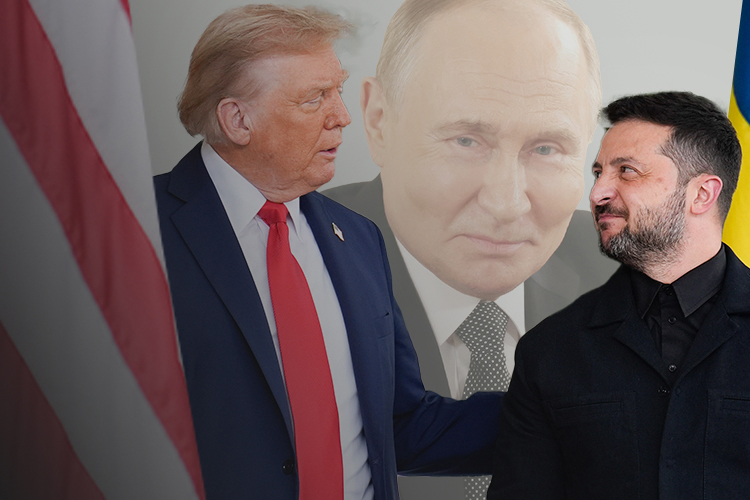
U.S. President Donald Trump and Russian President Vladimir Putin held a lengthy phone conversation lasting more than two hours. Sources claim that the two leaders discussed prospects for a new “peace process” on Ukraine and tentatively agreed to meet in Budapest in the coming weeks – just days before Ukrainian President Volodymyr Zelensky is scheduled to visit the White House.
According
to reports, the initiative for the contact came from the American side. During
the discussion, they addressed issues of security, nuclear control, prisoner
exchanges, and – most notably – the situation in Ukraine.
“We spoke very openly. I think we can do something good for all sides”, Trump said after the call, without providing details.
Putin,
for his part, stated that “the U.S. must stop adding fuel to the fire” if
Washington truly wants peace, and once again warned of “unpredictable
consequences” from supplying Ukraine with long-range missiles.
The
conversation between Trump and Putin took place just days before Zelensky’s
planned visit to Washington, where a new package of military aid to Ukraine is
expected to be discussed. According to Western analysts, the phone contact
between the U.S. and Russian leaders may
represent Moscow’s attempt to seize the diplomatic initiative – signaling
that any decisions made by Washington will be viewed by the Kremlin as
pressure, not support.
Meanwhile,
the White House insists that the conversation with Putin is “part of
international diplomacy”, not a shift in U.S. policy.

The
choice of Budapest as the
possible meeting venue is not accidental. Hungarian Prime Minister Viktor Orban has long been an ally of
Donald Trump and remains one of the few European leaders to maintain a neutral
or soft stance toward Moscow.
Thus,
Budapest offers a convenient platform where Putin can appear without the threat
of international arrest warrants – while maintaining the appearance of a
neutral setting.
Kyiv’s
reaction has been cautious. Zelensky’s press office stated that “any
negotiations without Ukraine’s participation cannot be considered real peace
initiatives”. Moscow, on the other hand, views the conversation as “a positive
signal” and a chance to “reset” relations with the United States.
The
European Union and NATO have expressed concern. Officials
in Brussels fear that such moves by Trump could “undermine” the West’s united
stance on Ukraine.
The Trump-Putin phone call marks the first extended dialogue between the two leaders since Trump’s return to the White House. Yet, more important is the timing: the discussion coincides with a period when the U.S. and Europe are debating whether to continue their costly military support for Kyiv. According to experts, Trump is using the situation to portray himself as a “peacemaker” – someone capable of negotiating with Putin where Biden failed. Moscow, meanwhile, is seeking to legitimize itself as an equal participant in peace talks rather than as a belligerent party. This diplomatic maneuver may mark the beginning of a new phase of a “cold peace”, in which Moscow and Washington attempt to define the limits of the acceptable – possibly without involving Kyiv in key decisions. The Trump-Putin conversation is not merely a diplomatic episode. It is a signal that the architecture of war and peace in Europe may once again be rewritten – but this time without the old rules.


 Latest news
Latest news
Latest newsBulgaria Asks NATO to Strengthen Its Defences Amid Black Sea Threats: Sofia Fears Growing Risks to Maritime Shipping
16.Oct.2026
Black Sea Shipping Risks Threaten Bulgaria’s 5 Million Tonnes of Wheat Exports
15.Oct.2026
Georgia’s Foreign Funding and Political Ban Laws Draw Criticism from the Venice Commission
15.Oct.2026
Kazakhstan Promotes a Caspian Green Energy Corridor: Astana Seeks New Routes to the European Market
14.Oct.2026
Inflation in Romania Accelerates to 6.61%: Rising Prices Increase Pressure on Households and the Economy
13.Oct.2026
Can Europe Protect the International Criminal Court from Trump’s Sanctions?
13.Oct.2026
Georgia’s Constitutional Court Continues Case on Banning Opposition Parties: Political Pluralism at Stake
12.Oct.2026
Azerbaijan and Iran Step Up Security Contacts Amid Hijab Protests
12.Oct.2026
Personnel Shortages Complicate Ukrainian Forces’ Rotation: Ukraine Faces Long-Term Challenges on the Front Line
11.Oct.2026
Trump Eases Sanctions on Russian Fuel After Talks with Putin: Kyiv Fears Boost to Moscow’s War Revenues
10.Oct.2026
Putin Seeks to Strengthen Russia’s Influence in the Post-Soviet Space Through the CIS
10.Oct.2026
Russia and the South Caucasus: External Pressure, Political Competition and a Crisis of Trust
10.Oct.2026
Peaceful Settlement Between Armenia and Azerbaijan: Moving from Declarations to Implementation
10.Oct.2026
Moldova Ready to Accept as Many Ukrainians as Necessary if Situation Worsens This Winter
09.Oct.2026
Turkmenistan Turns Avaza into a Regional Diplomatic Hub as Caspian, Central Asian and CIS Agendas Converge
08.Oct.2026