
 17 Oct 2026









Russia Opens New Criminal Case Against Opposition Figure Khodorkovsky
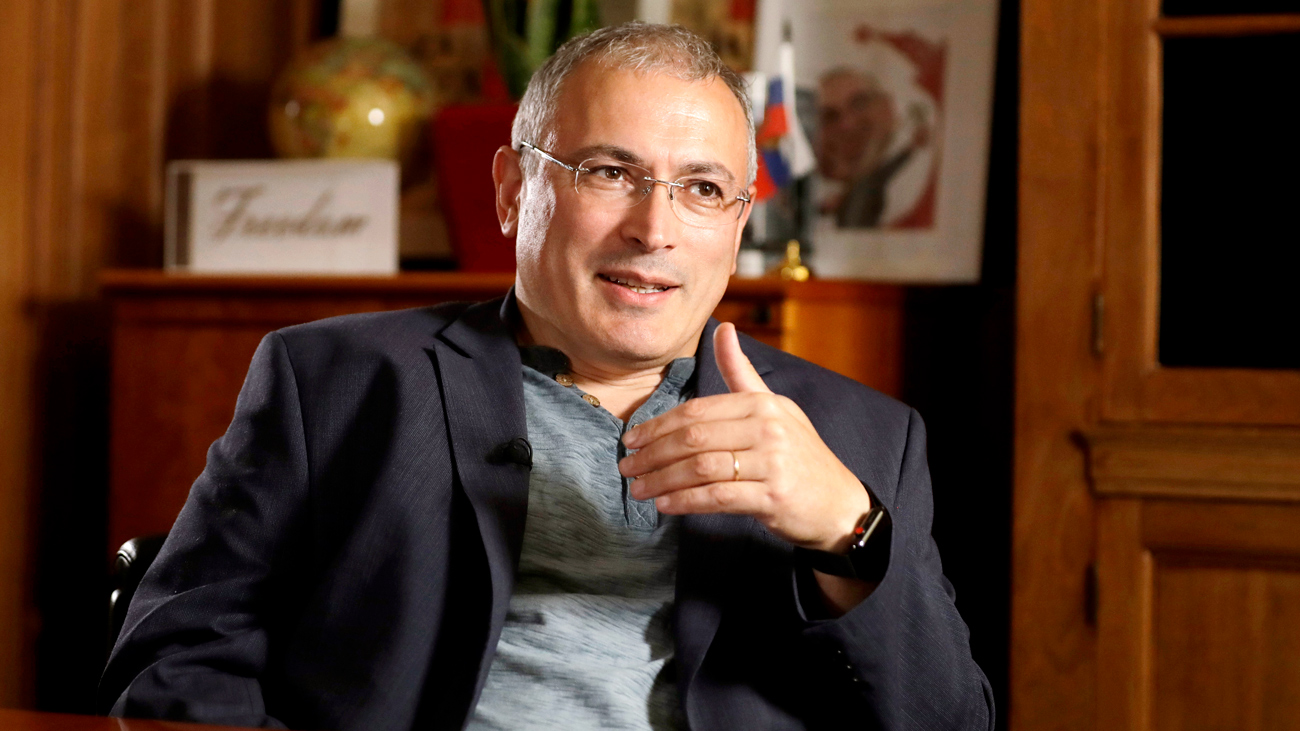
The
Federal Security Service of Russia has announced the launch of a new
criminal case against former businessman and opposition activist Mikhail Khodorkovsky,
who currently resides abroad. He is accused of creating a “terrorist organization”
and planning the violent overthrow of
power.
According to investigators, the case is linked to the
activities of the Anti-War
Committee, a movement supported by Khodorkovsky and officially
banned in Russia. Russian authorities claim that the organization coordinated
actions aimed at undermining state structures and overthrowing the
constitutional order.
Khodorkovsky has not yet issued an official comment.
He previously served 10 years in prison on fraud charges – a case widely
criticized as politically motivated. After his release in 2013, Khodorkovsky
left Russia and became an outspoken critic of the government. Since the
beginning of Russia’s war with Ukraine, he has taken a strong anti-war stance
and publicly supports the Ukrainian side.
This decision can be seen as another step in pressuring opposition figures and
Russian emigres critical of the Kremlin. Khodorkovsky has
already faced legal restrictions (including
being labeled a “foreign agent”) and previous prosecutions – this new
accusation appears to represent an expansion of the government’s repressive toolkit.
Such measures create a climate of intimidation: individuals
who criticize the authorities, whether inside or outside the country, may fear
prosecution or extradition. This, in turn, further isolates the opposition and
hampers its activities.
By using legal rhetoric such as “terrorist activity”, the authorities seek to legitimize harsh actions and justify repression before the domestic public and the international community. Statements of concern from human rights organizations and Western governments are likely to follow, as Russia’s judicial system has repeatedly been accused of politically motivated trials. This development could intensify diplomatic pressure and lead to new sanctions, particularly against officials involved in repressive actions.


 Latest news
Latest news
Latest newsBulgaria Asks NATO to Strengthen Its Defences Amid Black Sea Threats: Sofia Fears Growing Risks to Maritime Shipping
16.Oct.2026
Black Sea Shipping Risks Threaten Bulgaria’s 5 Million Tonnes of Wheat Exports
15.Oct.2026
Georgia’s Foreign Funding and Political Ban Laws Draw Criticism from the Venice Commission
15.Oct.2026
Kazakhstan Promotes a Caspian Green Energy Corridor: Astana Seeks New Routes to the European Market
14.Oct.2026
Inflation in Romania Accelerates to 6.61%: Rising Prices Increase Pressure on Households and the Economy
13.Oct.2026
Can Europe Protect the International Criminal Court from Trump’s Sanctions?
13.Oct.2026
Georgia’s Constitutional Court Continues Case on Banning Opposition Parties: Political Pluralism at Stake
12.Oct.2026
Azerbaijan and Iran Step Up Security Contacts Amid Hijab Protests
12.Oct.2026
Personnel Shortages Complicate Ukrainian Forces’ Rotation: Ukraine Faces Long-Term Challenges on the Front Line
11.Oct.2026
Trump Eases Sanctions on Russian Fuel After Talks with Putin: Kyiv Fears Boost to Moscow’s War Revenues
10.Oct.2026
Putin Seeks to Strengthen Russia’s Influence in the Post-Soviet Space Through the CIS
10.Oct.2026
Russia and the South Caucasus: External Pressure, Political Competition and a Crisis of Trust
10.Oct.2026
Peaceful Settlement Between Armenia and Azerbaijan: Moving from Declarations to Implementation
10.Oct.2026
Moldova Ready to Accept as Many Ukrainians as Necessary if Situation Worsens This Winter
09.Oct.2026
Turkmenistan Turns Avaza into a Regional Diplomatic Hub as Caspian, Central Asian and CIS Agendas Converge
08.Oct.2026