
 17 Oct 2026









Moscow Admits Guilt for Downing Azerbaijani Plane: Putin and Aliyev Show “Mutual Understanding of Authoritarian Allies”
Russia has officially admitted
that its air defense forces mistakenly shot down an Azerbaijani passenger plane
in December 2024. The tragedy claimed 38 lives – citizens of Azerbaijan,
Russia, and Turkey. President Vladimir Putin stated that the cause was a
“technical malfunction in the targeting system” and expressed his “deep
condolences to the brotherly Azerbaijani people”.
Moscow
also pledged to compensate the victims’ families and to provide Baku with
“technical assistance in modernizing civil aviation and air defense system”.
The
admission of responsibility coincided with Azerbaijani President Ilham Aliyev’s
visit to Dushanbe, where the CIS summit took place on October 9. On the
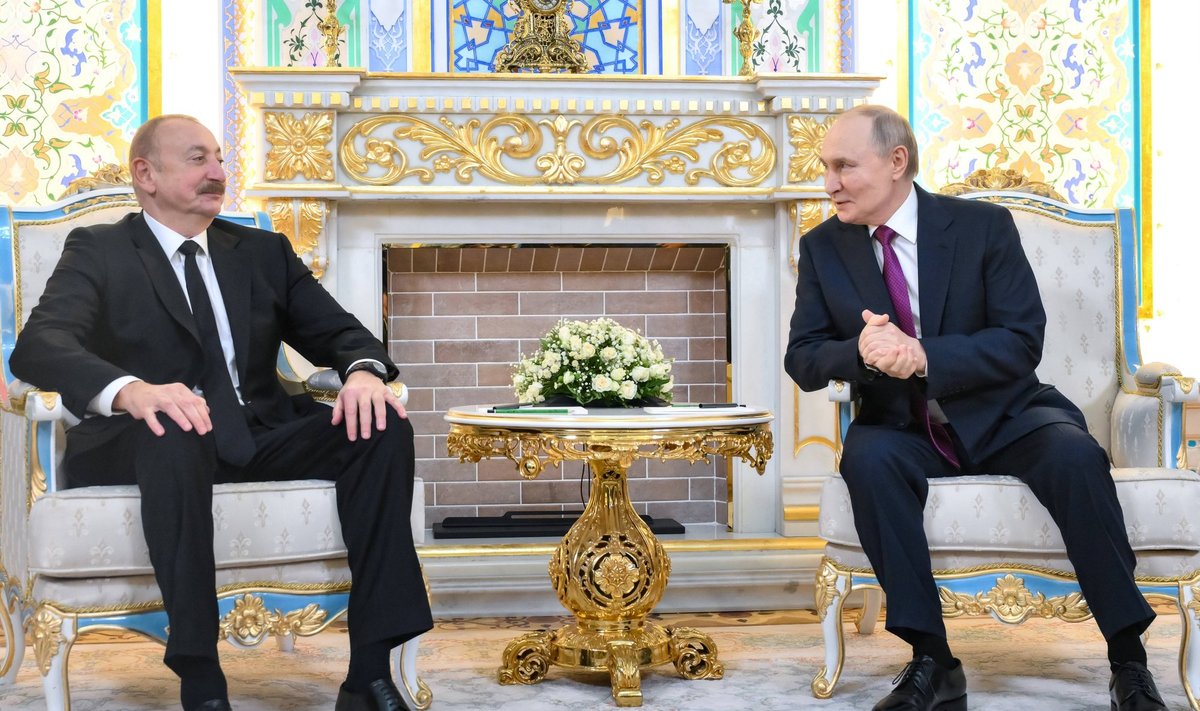
sidelines of the event, Aliyev and Putin held a closed-door meeting after which
it was announced that Russian journalist Igor Kartavykh, previously imprisoned in Azerbaijan, had
been moved from jail to house arrest.
Observers
interpret this as a symbolic exchange of political gestures. Moscow
acknowledged its guilt over the tragedy, while Baku demonstrated “flexibility”
toward the Kremlin by softening its stance on a case involving Russian media.
Experts
note that relations between Russia and Azerbaijan have recently been defined
less by allied closeness than by pragmatic balance: on one side – Moscow’s
military and political pressure in the region; on the other – Baku’s desire to
preserve autonomy and strengthen ties with the West and Turkey.
Nevertheless,
amid Russia’s growing international isolation and Azerbaijan’s cautious stance
toward Western sanctions, both sides appear to have found a convenient
compromise: Moscow receives public “forgiveness” for a fatal mistake, while
Baku gains a visible show of political influence.
Thus, two authoritarian systems once again demonstrate their ability to exchange symbolic concessions – where human lives and journalists’ freedoms become mere pieces in a larger geopolitical game.


 Latest news
Latest news
Latest newsBulgaria Asks NATO to Strengthen Its Defences Amid Black Sea Threats: Sofia Fears Growing Risks to Maritime Shipping
16.Oct.2026
Black Sea Shipping Risks Threaten Bulgaria’s 5 Million Tonnes of Wheat Exports
15.Oct.2026
Georgia’s Foreign Funding and Political Ban Laws Draw Criticism from the Venice Commission
15.Oct.2026
Kazakhstan Promotes a Caspian Green Energy Corridor: Astana Seeks New Routes to the European Market
14.Oct.2026
Inflation in Romania Accelerates to 6.61%: Rising Prices Increase Pressure on Households and the Economy
13.Oct.2026
Can Europe Protect the International Criminal Court from Trump’s Sanctions?
13.Oct.2026
Georgia’s Constitutional Court Continues Case on Banning Opposition Parties: Political Pluralism at Stake
12.Oct.2026
Azerbaijan and Iran Step Up Security Contacts Amid Hijab Protests
12.Oct.2026
Personnel Shortages Complicate Ukrainian Forces’ Rotation: Ukraine Faces Long-Term Challenges on the Front Line
11.Oct.2026
Trump Eases Sanctions on Russian Fuel After Talks with Putin: Kyiv Fears Boost to Moscow’s War Revenues
10.Oct.2026
Putin Seeks to Strengthen Russia’s Influence in the Post-Soviet Space Through the CIS
10.Oct.2026
Russia and the South Caucasus: External Pressure, Political Competition and a Crisis of Trust
10.Oct.2026
Peaceful Settlement Between Armenia and Azerbaijan: Moving from Declarations to Implementation
10.Oct.2026
Moldova Ready to Accept as Many Ukrainians as Necessary if Situation Worsens This Winter
09.Oct.2026
Turkmenistan Turns Avaza into a Regional Diplomatic Hub as Caspian, Central Asian and CIS Agendas Converge
08.Oct.2026