
 17 Oct 2026









Canada Ready to Invest Up to $5 Billion in Armenia’s Mining Sector
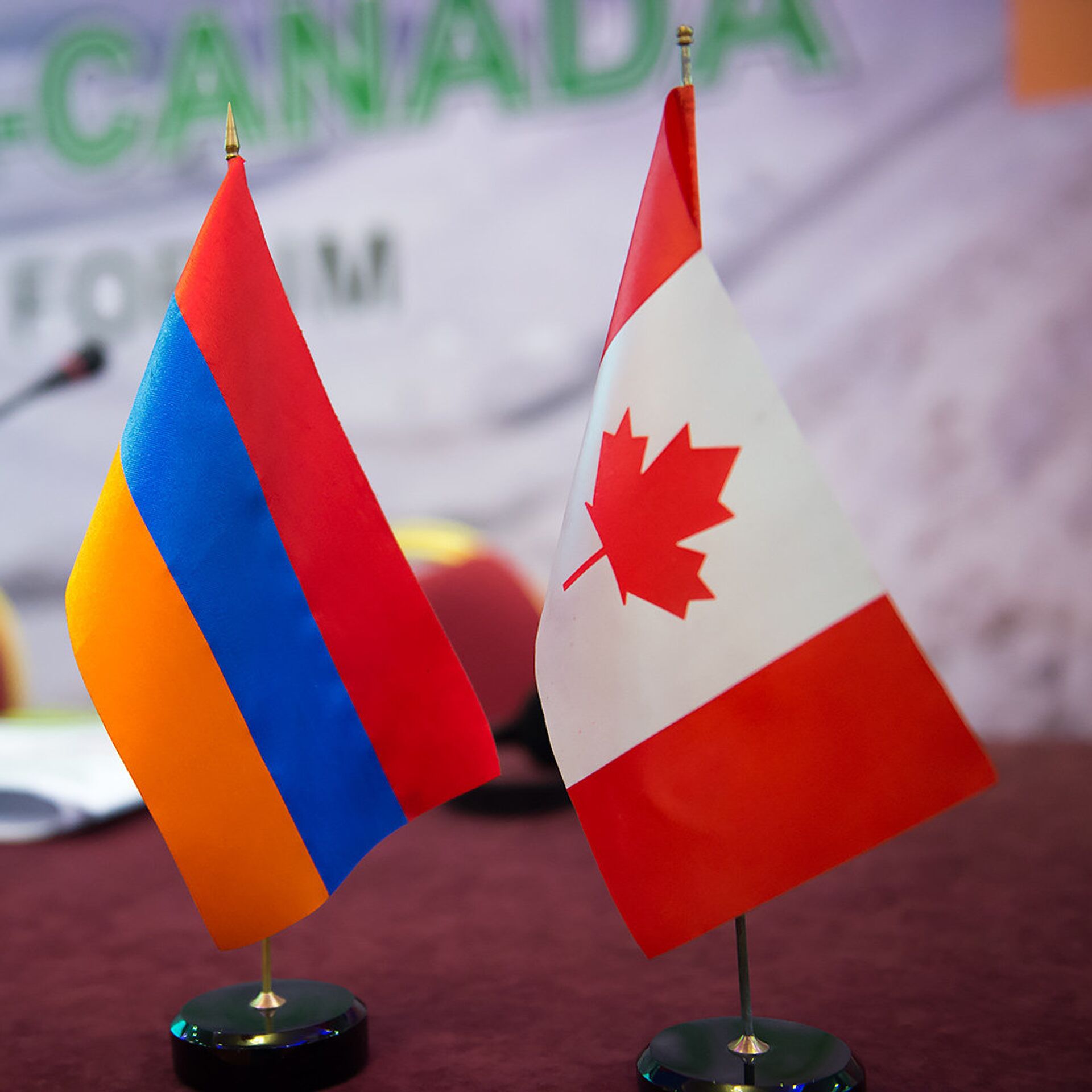
Canadian
investment group Northland
Minerals Corporation has expressed its readiness to invest up
to $5 billion USD in
the development of Armenia’s mining industry.
According to preliminary data, the investments will be
directed toward the development of
copper and molybdenum deposits, modernization of processing
facilities, and the introduction of environmentally sustainable extraction
technologies. The project is expected to create over 3,000 new jobs and strengthen
Armenia’s position as a regional hub for non-ferrous metallurgy.
Armenian Minister of Economy Vahan Kerobyan noted that negotiations with the Canadian side are at an “advanced stage”, and the government is considering the possibility of providing tax incentives and infrastructure support. According to him, cooperation with Canada is “an investment not only in the economy but also in the technological future of the country”.
Experts point out that this move could become the largest foreign investment in
Armenia in the past decade. It aligns with the government’s
course toward diversifying economic partners and reducing dependence on
traditional markets.
However, some analysts warn that the project’s
implementation will require strict environmental oversight. Environmental groups
remind that in the past, the activities of mining companies in Armenia have
sparked public protests due to pollution of rivers and soil.
The potential deal with Canadian investors could mark a turning point for Armenia’s economy. Beyond financial inflows, the transfer of Western standards of transparency and sustainable production is equally important. If implemented responsibly, the project could strengthen Armenia’s position as a reliable partner for major investors and help the country transition from a raw-material-based economy to industrial modernization.


 Latest news
Latest news
Latest newsBulgaria Asks NATO to Strengthen Its Defences Amid Black Sea Threats: Sofia Fears Growing Risks to Maritime Shipping
16.Oct.2026
Black Sea Shipping Risks Threaten Bulgaria’s 5 Million Tonnes of Wheat Exports
15.Oct.2026
Georgia’s Foreign Funding and Political Ban Laws Draw Criticism from the Venice Commission
15.Oct.2026
Kazakhstan Promotes a Caspian Green Energy Corridor: Astana Seeks New Routes to the European Market
14.Oct.2026
Inflation in Romania Accelerates to 6.61%: Rising Prices Increase Pressure on Households and the Economy
13.Oct.2026
Can Europe Protect the International Criminal Court from Trump’s Sanctions?
13.Oct.2026
Georgia’s Constitutional Court Continues Case on Banning Opposition Parties: Political Pluralism at Stake
12.Oct.2026
Azerbaijan and Iran Step Up Security Contacts Amid Hijab Protests
12.Oct.2026
Personnel Shortages Complicate Ukrainian Forces’ Rotation: Ukraine Faces Long-Term Challenges on the Front Line
11.Oct.2026
Trump Eases Sanctions on Russian Fuel After Talks with Putin: Kyiv Fears Boost to Moscow’s War Revenues
10.Oct.2026
Putin Seeks to Strengthen Russia’s Influence in the Post-Soviet Space Through the CIS
10.Oct.2026
Russia and the South Caucasus: External Pressure, Political Competition and a Crisis of Trust
10.Oct.2026
Peaceful Settlement Between Armenia and Azerbaijan: Moving from Declarations to Implementation
10.Oct.2026
Moldova Ready to Accept as Many Ukrainians as Necessary if Situation Worsens This Winter
09.Oct.2026
Turkmenistan Turns Avaza into a Regional Diplomatic Hub as Caspian, Central Asian and CIS Agendas Converge
08.Oct.2026