
 17 Oct 2026









Iran says nuclear work will not be hurt by end of U.S. sanctions waivers
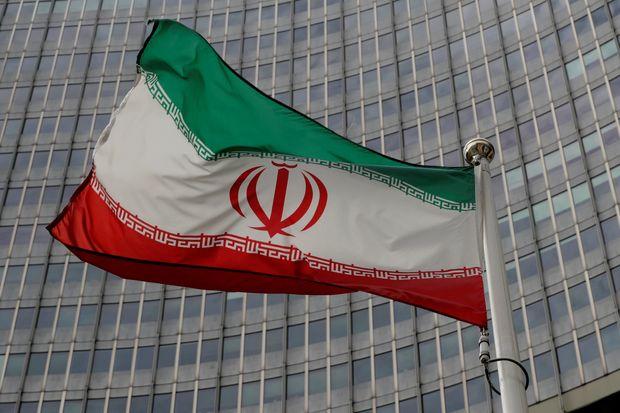
According to Reuters, a U.S. decision to terminate sanctions waivers that have allowed foreign companies to do some work at Iranian nuclear sites will not affect Iran’s nuclear programme, Iran’s Atomic Energy Organisation (AEOI) said on Thursday.
The United States said on Wednesday it will terminate the waivers, which had allowed Russian, Chinese and European companies to carry out work at Iranian nuclear sites.
The role of the foreign firms was agreed in Iran’s nuclear deal with world powers in 2015, and was intended to help ensure Iran’s nuclear programme would not be used to make weapons.
“The ending of waivers for nuclear cooperation under (the nuclear deal) will not in practice have any effect on Iran’s work,” AEOI spokesman Behrouz Kamalvandi said, in remarks reported by ISNA news agency. “Of course America wants its actions to have an effect in line with pressure on Iran, but in practice nothing will happen.”
Under the 2015 nuclear agreement, Iran agreed to curbs on its nuclear program in exchange for sanctions relief. U.S. President Donald Trump withdrew from the deal in 2018 and has since reimposed sanctions. Iran has scaled back its commitments under the deal but says it still abides by its overall terms.
The waivers, which officials said expire on July 27, covered the conversion of Iran’s Arak heavy water research reactor, the provision of enriched uranium for its Tehran Research Reactor and the transfer of spent and scrap reactor fuel abroad.
Iran agreed to shut down the reactor at Arak - about 250 km southwest of Tehran - under the 2015 deal. Iran was allowed to produce a limited amount of heavy water and Tehran has been working on redesigning the reactor. Tehran says it will make isotopes for medical and agricultural use.
Work on redesigning the Arak reactor is continuing, albeit at a slow pace because of sanctions and problems with carrying out the nuclear deal, Kamalvandi said.


 Latest news
Latest news
Latest newsBulgaria Asks NATO to Strengthen Its Defences Amid Black Sea Threats: Sofia Fears Growing Risks to Maritime Shipping
16.Oct.2026
Black Sea Shipping Risks Threaten Bulgaria’s 5 Million Tonnes of Wheat Exports
15.Oct.2026
Georgia’s Foreign Funding and Political Ban Laws Draw Criticism from the Venice Commission
15.Oct.2026
Kazakhstan Promotes a Caspian Green Energy Corridor: Astana Seeks New Routes to the European Market
14.Oct.2026
Inflation in Romania Accelerates to 6.61%: Rising Prices Increase Pressure on Households and the Economy
13.Oct.2026
Can Europe Protect the International Criminal Court from Trump’s Sanctions?
13.Oct.2026
Georgia’s Constitutional Court Continues Case on Banning Opposition Parties: Political Pluralism at Stake
12.Oct.2026
Azerbaijan and Iran Step Up Security Contacts Amid Hijab Protests
12.Oct.2026
Personnel Shortages Complicate Ukrainian Forces’ Rotation: Ukraine Faces Long-Term Challenges on the Front Line
11.Oct.2026
Trump Eases Sanctions on Russian Fuel After Talks with Putin: Kyiv Fears Boost to Moscow’s War Revenues
10.Oct.2026
Putin Seeks to Strengthen Russia’s Influence in the Post-Soviet Space Through the CIS
10.Oct.2026
Russia and the South Caucasus: External Pressure, Political Competition and a Crisis of Trust
10.Oct.2026
Peaceful Settlement Between Armenia and Azerbaijan: Moving from Declarations to Implementation
10.Oct.2026
Moldova Ready to Accept as Many Ukrainians as Necessary if Situation Worsens This Winter
09.Oct.2026
Turkmenistan Turns Avaza into a Regional Diplomatic Hub as Caspian, Central Asian and CIS Agendas Converge
08.Oct.2026