
 17 Oct 2026









EU Prepares to Use Frozen Russian Assets: Kremlin Calls It “Robbery”
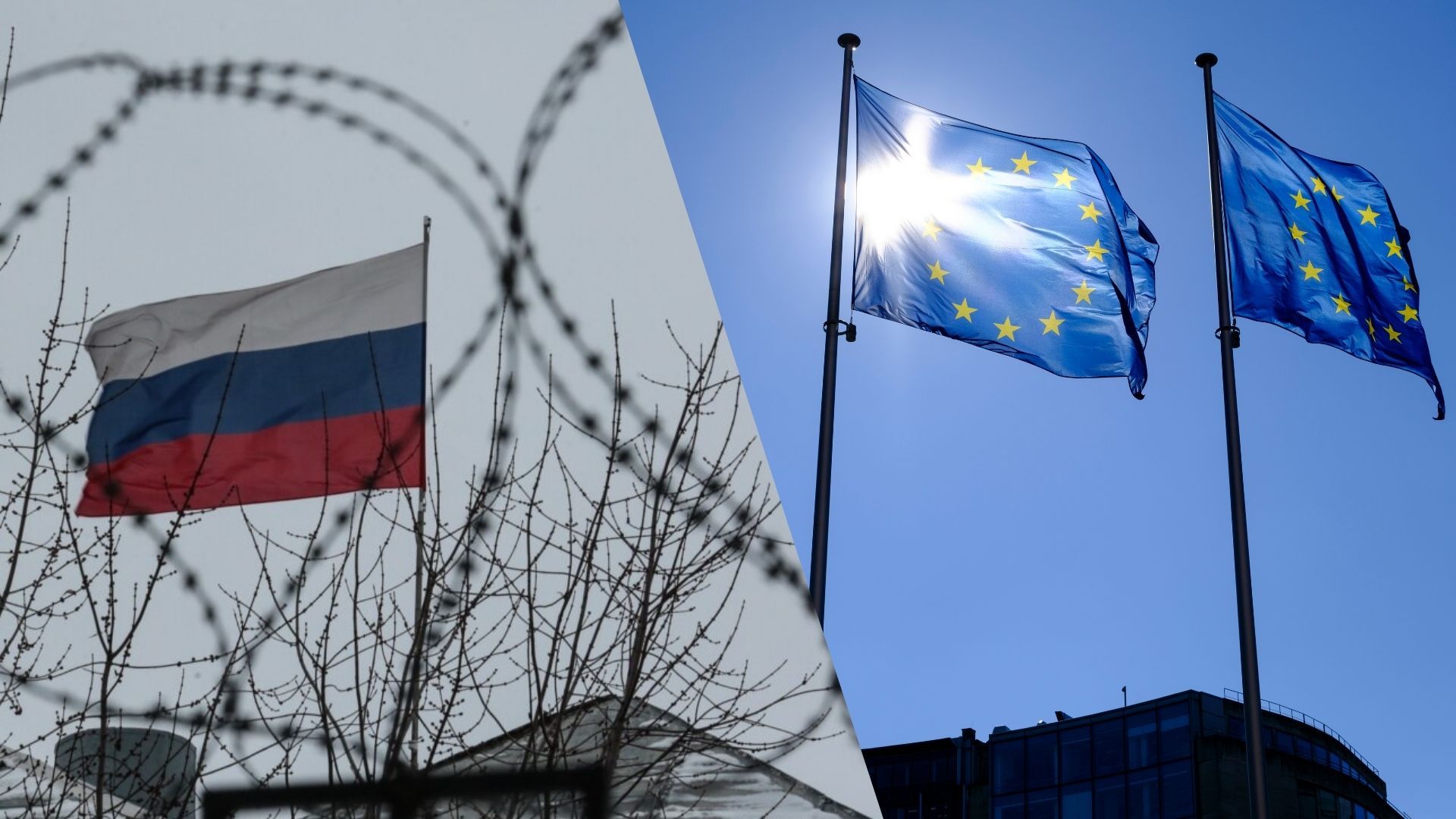
On October 1, 2025,
the debate over the fate of frozen Russian assets in Europe flared up once
again. Brussels is considering the possibility of using them to finance
Ukraine, which provoked a sharp reaction from Moscow. Presidential spokesperson
Dmitry Peskov described the move as “robbery” and promised that Russia would
seek legal protection of its interests.
After the outbreak of the conflict in Ukraine in 2022, the
EU and the Group of Seven (G7) froze about $300 billion in assets belonging to the Russian Central
Bank and state institutions. For a long time, these funds remained untouched
due to complex legal risks: international law does not directly provide for the
confiscation of sovereign assets. However, with Ukraine’s growing financial
needs and the protracted war in Europe, discussions have intensified about using
the interest – for even the principal itself – for Ukraine’s benefit.
In recent months, the European Commission and several leading EU member states have proposed redirecting revenues from these assets to Ukraine’s reconstruction and the purchase of weapons.
Moscow views such initiatives as a blatant violation of
international norms. According to Peskov, the use of Russian assets would
amount to “legalized theft” and would undermine trust in the Western financial
system.
Russia has already announced its intention to launch
international legal proceedings and will likely take retaliatory measures
against the property of Western companies and states on its territory.
Experts note that confiscating Russian assets would create
a precedent capable of undermining the status of European jurisdictions as
reliable financial hubs. Countries such as China, Saudi Arabia, and other major
holders of reserves in Western banks may reconsider their asset allocation
strategies.
On the other hand, proponents of the initiative emphasize
that this is not confiscation but the use of revenues from assets, arguing that
Moscow has lost its moral right to dispose of them after its “aggression
against Ukraine”.
The EU’s decision will depend on the bloc’s unity. Germany
and France have previously expressed caution, fearing lawsuits and systemic
risks. However, the Baltic states, Poland, and some Scandinavian countries are
pushing for tougher measures.
In the coming months, the issue is expected to become not
only a matter of legal disputes but also a major political bargaining point between Russia and
the West, where economic and legal arguments will intertwine
with geopolitics.
Thus, the EU initiative
deepens the divide between Moscow and the West and puts the principles of
international financial law at stake. For Russia, this is not only an economic
matter but also a symbolic one: is the global system prepared to allow a
precedent in which frozen sovereign reserves are used to finance a war?


 Latest news
Latest news
Latest newsBulgaria Asks NATO to Strengthen Its Defences Amid Black Sea Threats: Sofia Fears Growing Risks to Maritime Shipping
16.Oct.2026
Black Sea Shipping Risks Threaten Bulgaria’s 5 Million Tonnes of Wheat Exports
15.Oct.2026
Georgia’s Foreign Funding and Political Ban Laws Draw Criticism from the Venice Commission
15.Oct.2026
Kazakhstan Promotes a Caspian Green Energy Corridor: Astana Seeks New Routes to the European Market
14.Oct.2026
Inflation in Romania Accelerates to 6.61%: Rising Prices Increase Pressure on Households and the Economy
13.Oct.2026
Can Europe Protect the International Criminal Court from Trump’s Sanctions?
13.Oct.2026
Georgia’s Constitutional Court Continues Case on Banning Opposition Parties: Political Pluralism at Stake
12.Oct.2026
Azerbaijan and Iran Step Up Security Contacts Amid Hijab Protests
12.Oct.2026
Personnel Shortages Complicate Ukrainian Forces’ Rotation: Ukraine Faces Long-Term Challenges on the Front Line
11.Oct.2026
Trump Eases Sanctions on Russian Fuel After Talks with Putin: Kyiv Fears Boost to Moscow’s War Revenues
10.Oct.2026
Putin Seeks to Strengthen Russia’s Influence in the Post-Soviet Space Through the CIS
10.Oct.2026
Russia and the South Caucasus: External Pressure, Political Competition and a Crisis of Trust
10.Oct.2026
Peaceful Settlement Between Armenia and Azerbaijan: Moving from Declarations to Implementation
10.Oct.2026
Moldova Ready to Accept as Many Ukrainians as Necessary if Situation Worsens This Winter
09.Oct.2026
Turkmenistan Turns Avaza into a Regional Diplomatic Hub as Caspian, Central Asian and CIS Agendas Converge
08.Oct.2026