
 17 Oct 2026









Ukrainian Military Destroy Two Russian Be-12 Aircraft
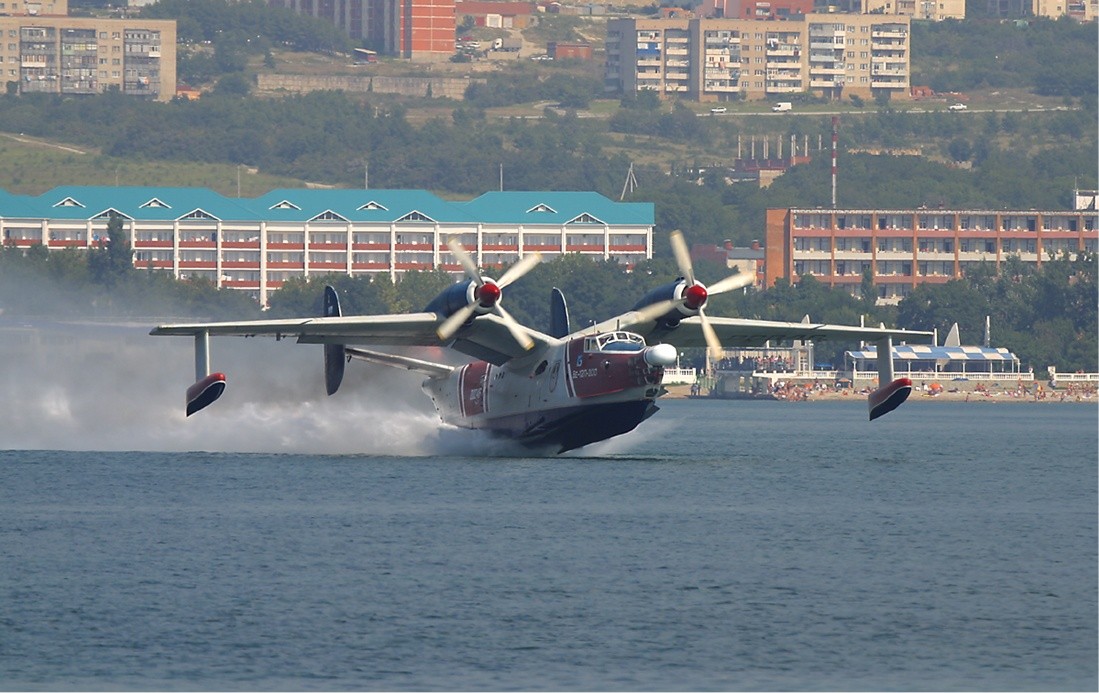
Ukrainian forces announced
that, for the first time in the history of the conflict, they destroyed two
Russian Be-12 “Chaika” amphibious aircraft. The strike was carried out in
occupied Crimea by the special unit “Ghosts” on Sunday. In addition, according
to their reports, a Mi-8 helicopter was also destroyed. This deals a blow to
Russia’s key capabilities in the Black Sea and shifts the balance of power in
the air-naval dimension of the conflict.
According to a statement from Ukraine’s Main Directorate of Intelligence, the Be-12 aircraft – used by Russia to search for and destroy Ukrainian naval drones – were struck in Crimea. It is claimed that this is the first confirmed destruction of a Be-12. Until now, no “Chaika” had ever been lost in combat, at least publicly.
These
aircraft were developed in the 1950s, first flew in 1960, and have been used
for patrol, anti-submarine warfare, surface surveillance, and – according to
Western assessments – for detecting naval drones.
For a
long time, the Be-12 was employed for reconnaissance, maritime patrols, and
tracking both drones and underwater threats. Their destruction may reduce the
effectiveness of such operations, at least temporarily.
The
fact that such an aircraft has been destroyed for the first time boosts the
morale of the Ukrainian armed forces and their supporters. It shows that even
rare, “exotic”, or outdated but still significant targets are not beyond reach.
As an
amphibious aircraft, the Be-12 can operate both from water and from land,
making it an important element of maritime route control and situational
awareness. The loss of such platforms may force Russia to reconsider patrol
routes, concealment measures, or protection tactics.
Ukrainian
naval drones are one of the key tools Ukraine actively employs to impact
Russia’s Black Sea Fleet and ports. The destruction of the Be-12s used to
counter these drones may increase Russia’s need to find alternative means of
detection and neutralization.
Apart
from the information that the strike was carried out by the “Ghosts” unit, few
details are known about how exactly the operation was organized, how many
personnel were involved, or what methods were used.
This
event represents a significant tactical and symbolic success for Ukraine and
its resistance. In major conflicts, such “firsts” are often important not so
much for their purely military value (as
the aircraft may be outdated and not particularly effective), but as a signal
that no target is “sacred”.
If
Russia stops using the Be-12 as a means of reconnaissance and naval drone
counteraction, it will have to either strengthen other surveillance systems (such as satellites, UAVs, and coastal
radars) or accept the heightened risk of drones penetrating its maritime space.
In the
long term, this may push both sides toward even more active use of autonomous
maritime and aerial systems, as well as the deployment of technologies capable
of countering “invisible” threats like drones, rather than relying solely on
traditional aircraft and ships.


 Latest news
Latest news
Latest newsBulgaria Asks NATO to Strengthen Its Defences Amid Black Sea Threats: Sofia Fears Growing Risks to Maritime Shipping
16.Oct.2026
Black Sea Shipping Risks Threaten Bulgaria’s 5 Million Tonnes of Wheat Exports
15.Oct.2026
Georgia’s Foreign Funding and Political Ban Laws Draw Criticism from the Venice Commission
15.Oct.2026
Kazakhstan Promotes a Caspian Green Energy Corridor: Astana Seeks New Routes to the European Market
14.Oct.2026
Inflation in Romania Accelerates to 6.61%: Rising Prices Increase Pressure on Households and the Economy
13.Oct.2026
Can Europe Protect the International Criminal Court from Trump’s Sanctions?
13.Oct.2026
Georgia’s Constitutional Court Continues Case on Banning Opposition Parties: Political Pluralism at Stake
12.Oct.2026
Azerbaijan and Iran Step Up Security Contacts Amid Hijab Protests
12.Oct.2026
Personnel Shortages Complicate Ukrainian Forces’ Rotation: Ukraine Faces Long-Term Challenges on the Front Line
11.Oct.2026
Trump Eases Sanctions on Russian Fuel After Talks with Putin: Kyiv Fears Boost to Moscow’s War Revenues
10.Oct.2026
Putin Seeks to Strengthen Russia’s Influence in the Post-Soviet Space Through the CIS
10.Oct.2026
Russia and the South Caucasus: External Pressure, Political Competition and a Crisis of Trust
10.Oct.2026
Peaceful Settlement Between Armenia and Azerbaijan: Moving from Declarations to Implementation
10.Oct.2026
Moldova Ready to Accept as Many Ukrainians as Necessary if Situation Worsens This Winter
09.Oct.2026
Turkmenistan Turns Avaza into a Regional Diplomatic Hub as Caspian, Central Asian and CIS Agendas Converge
08.Oct.2026