
 17 Oct 2026









Ukraine and Poland to Hold Joint Drone Defense Exercises
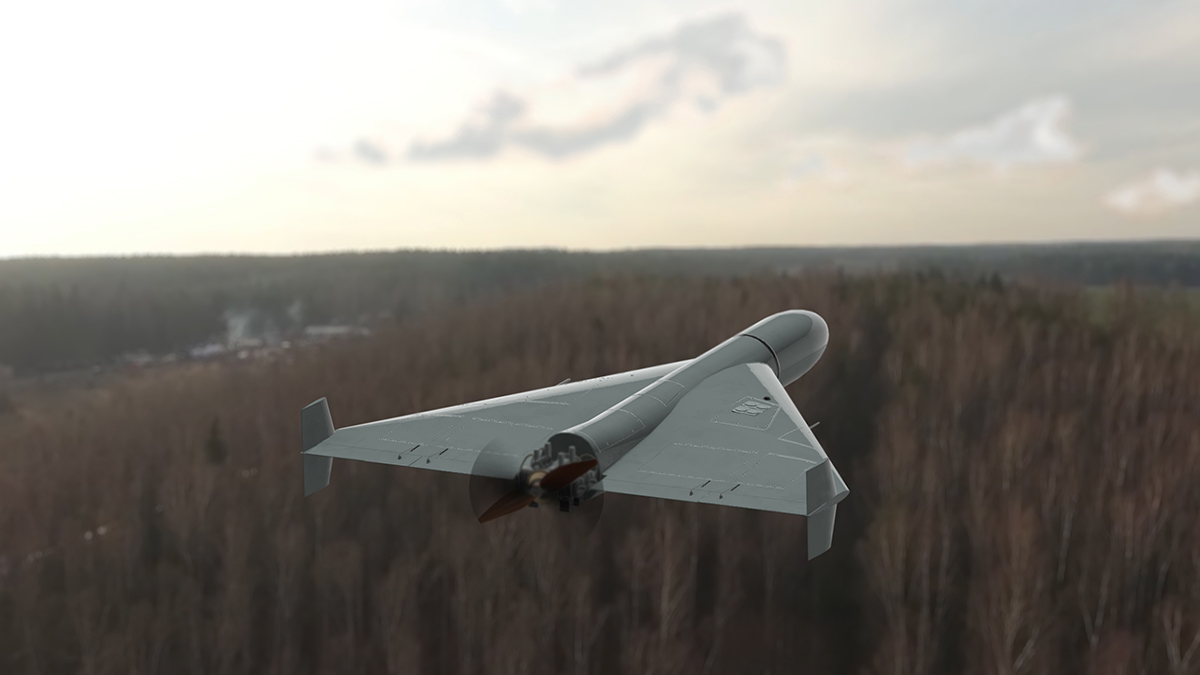
Ukraine will share its experience in countering drones,
gained during the full-scale war with Russia, with Poland. According to
government sources, the two countries are preparing joint exercises aimed at
practicing interception, suppression, and neutralization of aerial threats.
According to Ukrainian military officials, drones have
become the main tool of pressure both on the front lines and in the rear. Over
the past two years, Ukraine has developed unique methods of combating unmanned
aerial vehicles – ranging from electronic warfare systems to mobile
interception groups and specialized short-range air defense units.
Poland has shown particular interest in this expertise
following a recent incident in which Russian drones violated its airspace and
were shot down by Polish forces. This was the first time in NATO’s history that
a member state openly used weapons to defend against Russian attacks.
Ukraine is also actively developing its own counter-drone
technologies, including electronic warfare systems and low-cost interceptor
drones. At the same time, Poland is strengthening its defense capabilities on
NATO’s eastern flank, recognizing that the threat could directly affect its
territory. In addition, the EU and the United States are supporting
coordination in drone defense, considering it one of the key security issues
for the coming years.
Effectively, Poland is becoming NATO’s “first line” against
drone attacks, and the exchange of experience with Ukraine may serve as the
foundation for creating a unified European counter-drone defense system. If
cooperation continues to develop, joint projects for the production and
deployment of new short-range air defense technologies may soon emerge.


 Latest news
Latest news
Latest newsBulgaria Asks NATO to Strengthen Its Defences Amid Black Sea Threats: Sofia Fears Growing Risks to Maritime Shipping
16.Oct.2026
Black Sea Shipping Risks Threaten Bulgaria’s 5 Million Tonnes of Wheat Exports
15.Oct.2026
Georgia’s Foreign Funding and Political Ban Laws Draw Criticism from the Venice Commission
15.Oct.2026
Kazakhstan Promotes a Caspian Green Energy Corridor: Astana Seeks New Routes to the European Market
14.Oct.2026
Inflation in Romania Accelerates to 6.61%: Rising Prices Increase Pressure on Households and the Economy
13.Oct.2026
Can Europe Protect the International Criminal Court from Trump’s Sanctions?
13.Oct.2026
Georgia’s Constitutional Court Continues Case on Banning Opposition Parties: Political Pluralism at Stake
12.Oct.2026
Azerbaijan and Iran Step Up Security Contacts Amid Hijab Protests
12.Oct.2026
Personnel Shortages Complicate Ukrainian Forces’ Rotation: Ukraine Faces Long-Term Challenges on the Front Line
11.Oct.2026
Trump Eases Sanctions on Russian Fuel After Talks with Putin: Kyiv Fears Boost to Moscow’s War Revenues
10.Oct.2026
Putin Seeks to Strengthen Russia’s Influence in the Post-Soviet Space Through the CIS
10.Oct.2026
Russia and the South Caucasus: External Pressure, Political Competition and a Crisis of Trust
10.Oct.2026
Peaceful Settlement Between Armenia and Azerbaijan: Moving from Declarations to Implementation
10.Oct.2026
Moldova Ready to Accept as Many Ukrainians as Necessary if Situation Worsens This Winter
09.Oct.2026
Turkmenistan Turns Avaza into a Regional Diplomatic Hub as Caspian, Central Asian and CIS Agendas Converge
08.Oct.2026