
 17 Oct 2026









EU Steps Up Mediation: Armenia and Azerbaijan Prepare for Peace Treaty
EU Commissioner for Enlargement and Neighbourhood, Marta
Kos, is visiting Armenia and Azerbaijan. The purpose of the trip is to promote
cooperation with the European Union and advance the so-called connectivity
agenda – improving transport and energy links in the region, as well as
strengthening the South Caucasus’ integration with the EU.
According to the European Commission, special attention is
being paid to resilience, energy security, and the opening of new transport
routes that could connect the South Caucasus with Europe. Brussels expects that
involving Armenia and Azerbaijan in European projects will help reduce conflict
and strengthen regional stability.
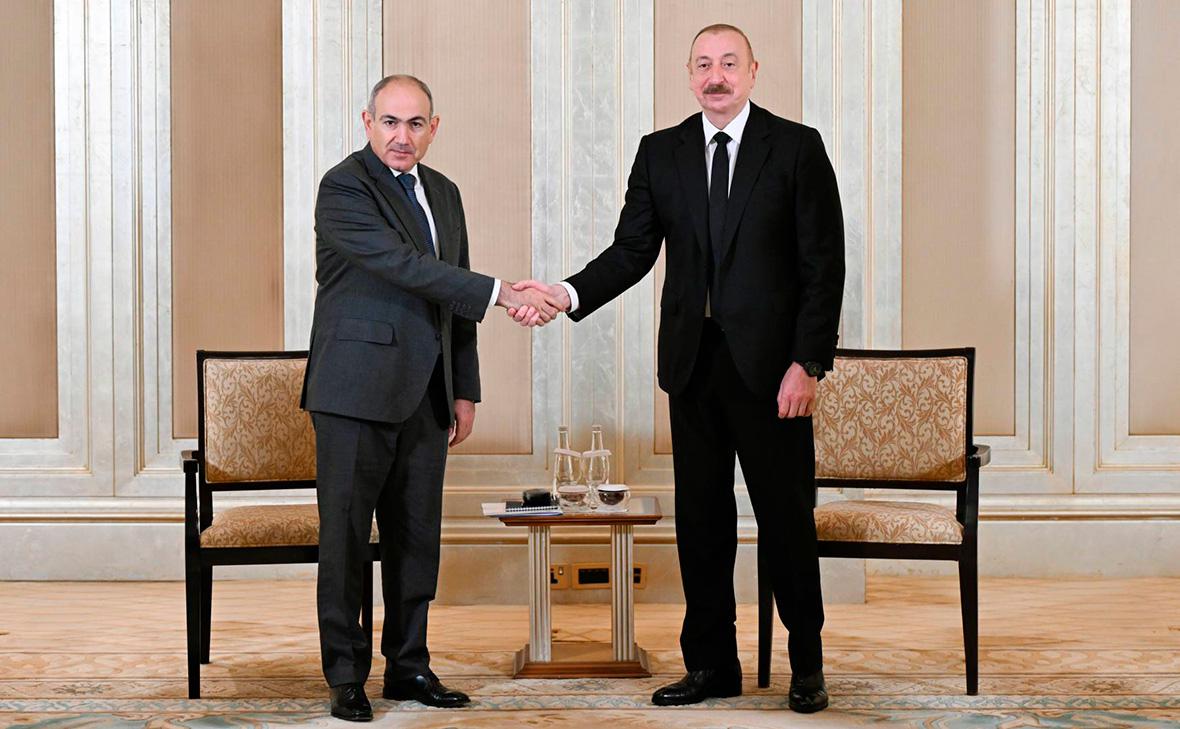
At the same time, Yerevan and Baku are discussing the
prospect of signing a long-awaited peace agreement. According to some reports,
there is cautious hope that the document could be signed as early as autumn
2025. The negotiations remain complex, with discussions focusing on borders,
transport corridors, and security guarantees.
Thus, after the signing of the Washington Declaration on
August 8, the peace process has gained new momentum. The EU is seeking to
strengthen its presence in the South Caucasus amid the decline of Russia’s
influence.
Experts note that for Brussels, success in Armenia and
Azerbaijan would be an important signal of the EU’s ability to shape a positive
agenda in difficult regions.
The EU is playing the role of a “balancer”, aiming not only
to provide a platform for dialogue but also to link Armenia and Azerbaijan
through economic projects. If the peace treaty is signed this autumn, it would
mark a historic breakthrough: for the first time in three decades, Yerevan and
Baku would have the opportunity to move from confrontation to real cooperation.
However, risks remain: unresolved issues regarding borders and mutual trust may
complicate the process, while Turkey and Russia will closely monitor developments,
seeking to maintain their influence.


 Latest news
Latest news
Latest newsBulgaria Asks NATO to Strengthen Its Defences Amid Black Sea Threats: Sofia Fears Growing Risks to Maritime Shipping
16.Oct.2026
Black Sea Shipping Risks Threaten Bulgaria’s 5 Million Tonnes of Wheat Exports
15.Oct.2026
Georgia’s Foreign Funding and Political Ban Laws Draw Criticism from the Venice Commission
15.Oct.2026
Kazakhstan Promotes a Caspian Green Energy Corridor: Astana Seeks New Routes to the European Market
14.Oct.2026
Inflation in Romania Accelerates to 6.61%: Rising Prices Increase Pressure on Households and the Economy
13.Oct.2026
Can Europe Protect the International Criminal Court from Trump’s Sanctions?
13.Oct.2026
Georgia’s Constitutional Court Continues Case on Banning Opposition Parties: Political Pluralism at Stake
12.Oct.2026
Azerbaijan and Iran Step Up Security Contacts Amid Hijab Protests
12.Oct.2026
Personnel Shortages Complicate Ukrainian Forces’ Rotation: Ukraine Faces Long-Term Challenges on the Front Line
11.Oct.2026
Trump Eases Sanctions on Russian Fuel After Talks with Putin: Kyiv Fears Boost to Moscow’s War Revenues
10.Oct.2026
Putin Seeks to Strengthen Russia’s Influence in the Post-Soviet Space Through the CIS
10.Oct.2026
Russia and the South Caucasus: External Pressure, Political Competition and a Crisis of Trust
10.Oct.2026
Peaceful Settlement Between Armenia and Azerbaijan: Moving from Declarations to Implementation
10.Oct.2026
Moldova Ready to Accept as Many Ukrainians as Necessary if Situation Worsens This Winter
09.Oct.2026
Turkmenistan Turns Avaza into a Regional Diplomatic Hub as Caspian, Central Asian and CIS Agendas Converge
08.Oct.2026