
 17 Oct 2026









Poland Shoots Down Russian Drones and Initiates NATO Consultations: Kyiv Calls for a Unified European Air Defense System
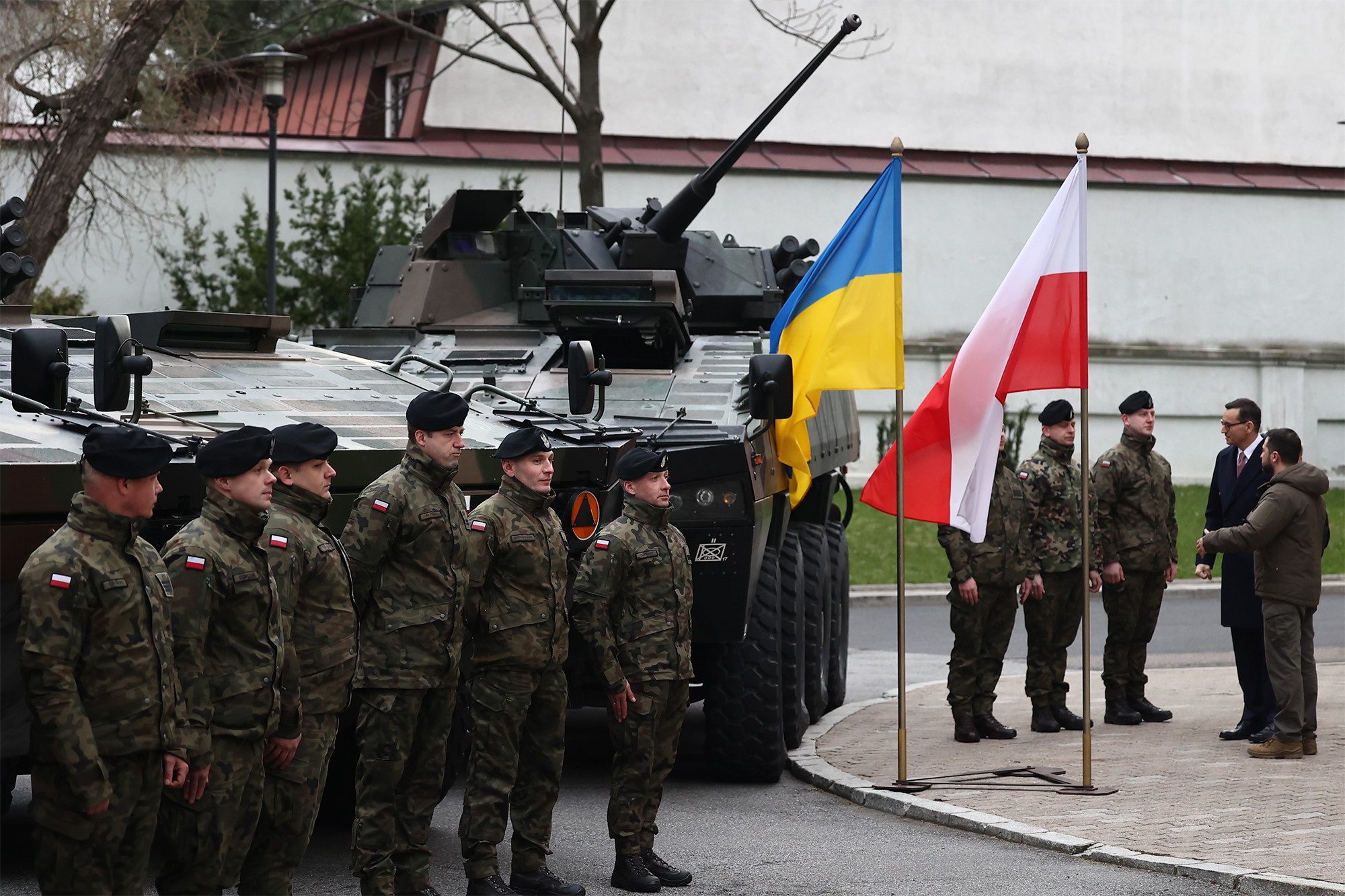
Poland
has, for the first time since the start of the war in Ukraine, shot down 19
Russian drones that violated its airspace during a massive attack on Western
Ukraine. The incident marks the first open military response by a NATO member
state to Russian actions.
The
Polish Ministry of Defense stated that the drones were intercepted by air
defense forces over the country’s eastern regions. In response, Warsaw
initiated consultations under Article 4 of the North Atlantic Treaty, which
provides for urgent discussions of security threats among allies.
Against
this backdrop, Ukrainian President Volodymyr Zelensky once again called for the
creation of a joint European air defense system. According to him, Russian
drone and missile attacks pose a threat not only to Ukraine but also to EU
countries, and therefore protection must be built at a pan-European level.
Until
now, NATO member states had recorded border violations but limited their
reactions to diplomatic statements and notes. The downing of drones is the
first step from words to action. This increases the likelihood of further
escalation if Russia continues its provocations.
Poland
is not invoking Article 5 (collective defense), but Article 4 already means
that the issue is being treated as a threat to the entire alliance. This could
lead to strengthened air defenses on NATO’s eastern flank and accelerate
military integration among allies.
Zelensky’s
call for a unified air defense system sounds increasingly relevant: drone
attacks show that wars are no longer confined to national borders. Europe is
facing a “blurring of threat boundaries” – drones and missiles strike where it
is cheapest and easiest to penetrate.
Russia’s
mass use of drones is pushing the West to rethink its defense systems: the
focus is shifting from expensive complexes (Patriot, IRIS-T) to hybrid
solutions – mobile interceptors, electronic warfare systems, and cheap
“drone-killer drones.”
For
Poland, this is an opportunity to strengthen its leadership role in Eastern
Europe and confirm its position as NATO’s “forward line”. For Ukraine, it is a
chance to advance the idea of integrated defense systems and secure new arms
supplies. For Russia, it is a test of the alliance’s resolve: will NATO limit
itself to diplomacy or be ready for forceful responses?
Thus,
the incident with Poland’s interceptions may become a turning point. If NATO
decides on systemic measures, Europe could gain a “21st-century shield”, but
the price would be a heightened risk of direct confrontation with Russia.
Ukraine, in essence, is becoming the catalyst for the transformation of
Europe’s entire security system.


 Latest news
Latest news
Latest newsBulgaria Asks NATO to Strengthen Its Defences Amid Black Sea Threats: Sofia Fears Growing Risks to Maritime Shipping
16.Oct.2026
Black Sea Shipping Risks Threaten Bulgaria’s 5 Million Tonnes of Wheat Exports
15.Oct.2026
Georgia’s Foreign Funding and Political Ban Laws Draw Criticism from the Venice Commission
15.Oct.2026
Kazakhstan Promotes a Caspian Green Energy Corridor: Astana Seeks New Routes to the European Market
14.Oct.2026
Inflation in Romania Accelerates to 6.61%: Rising Prices Increase Pressure on Households and the Economy
13.Oct.2026
Can Europe Protect the International Criminal Court from Trump’s Sanctions?
13.Oct.2026
Georgia’s Constitutional Court Continues Case on Banning Opposition Parties: Political Pluralism at Stake
12.Oct.2026
Azerbaijan and Iran Step Up Security Contacts Amid Hijab Protests
12.Oct.2026
Personnel Shortages Complicate Ukrainian Forces’ Rotation: Ukraine Faces Long-Term Challenges on the Front Line
11.Oct.2026
Trump Eases Sanctions on Russian Fuel After Talks with Putin: Kyiv Fears Boost to Moscow’s War Revenues
10.Oct.2026
Putin Seeks to Strengthen Russia’s Influence in the Post-Soviet Space Through the CIS
10.Oct.2026
Russia and the South Caucasus: External Pressure, Political Competition and a Crisis of Trust
10.Oct.2026
Peaceful Settlement Between Armenia and Azerbaijan: Moving from Declarations to Implementation
10.Oct.2026
Moldova Ready to Accept as Many Ukrainians as Necessary if Situation Worsens This Winter
09.Oct.2026
Turkmenistan Turns Avaza into a Regional Diplomatic Hub as Caspian, Central Asian and CIS Agendas Converge
08.Oct.2026