
 17 Oct 2026









Putin Arrives in China for SCO Summit: New Escalation of the War in Ukraine Amid Negotiations
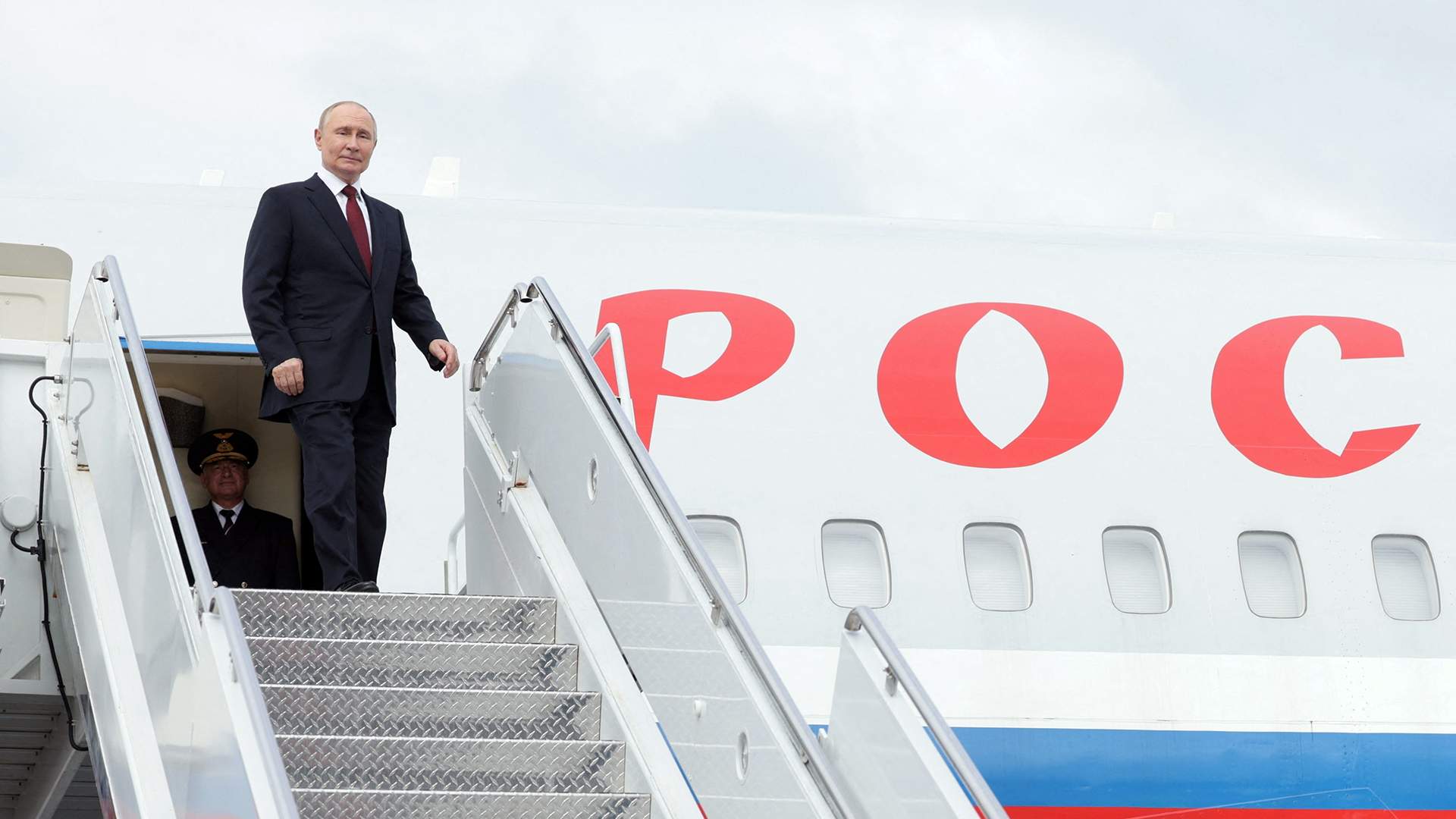
Russian President Vladimir Putin has arrived in Tianjin to take part in the Shanghai Cooperation Organization (SCO) summit. On the sidelines of the forum, he plans to meet with several key leaders, including Indian Prime Minister Narendra Modi and Chinese President Xi Jinping.
Through official representatives, the Kremlin made it clear that despite discussions of potential diplomatic initiatives, Russia does not intend to make concessions regarding control over the territories it has seized in Ukraine.
Meanwhile, military tensions sharply escalated during the visit. Ukraine carried out drone strikes on oil refineries in Russia’s Krasnodar region and in Syzran. Moscow, in turn, struck Ukrainian port infrastructure.
Putin’s visit to China is meant to underscore that Moscow remains an active player on the international stage, despite Western sanctions and isolation. However, the parallel drone attacks from both sides show that peace signals remain rhetorical, while the reality is the continuation of war.
Russia and China are using the summit to promote the idea of a “multipolar world”, positioning it in contrast to the influence of the US and the EU. The involvement of the Indian factor (Modi) could add weight to the initiative, but the question remains whether New Delhi will be willing to engage actively in discussing the Ukrainian crisis.
The large-scale drone attacks and retaliatory strikes confirm that drones are becoming the primary instrument of pressure, enabling strikes on critical infrastructure without direct incursions. This heightens the unpredictability of the conflict.
Strikes on Russian oil refineries directly impact the energy sector – one of the country’s last stable sources of budget revenue. At the same time, Moscow’s dependence on China is growing, which could lead to an imbalance in bilateral relations.
Thus, for Putin, the SCO summit is an attempt to demonstrate that Russia is not isolated and is open to negotiations in friendly formats. But the actual dynamics of the war suggest the opposite: hostilities are intensifying, and the prospects for a peaceful settlement remain highly uncertain.


 Latest news
Latest news
Latest newsBulgaria Asks NATO to Strengthen Its Defences Amid Black Sea Threats: Sofia Fears Growing Risks to Maritime Shipping
16.Oct.2026
Black Sea Shipping Risks Threaten Bulgaria’s 5 Million Tonnes of Wheat Exports
15.Oct.2026
Georgia’s Foreign Funding and Political Ban Laws Draw Criticism from the Venice Commission
15.Oct.2026
Kazakhstan Promotes a Caspian Green Energy Corridor: Astana Seeks New Routes to the European Market
14.Oct.2026
Inflation in Romania Accelerates to 6.61%: Rising Prices Increase Pressure on Households and the Economy
13.Oct.2026
Can Europe Protect the International Criminal Court from Trump’s Sanctions?
13.Oct.2026
Georgia’s Constitutional Court Continues Case on Banning Opposition Parties: Political Pluralism at Stake
12.Oct.2026
Azerbaijan and Iran Step Up Security Contacts Amid Hijab Protests
12.Oct.2026
Personnel Shortages Complicate Ukrainian Forces’ Rotation: Ukraine Faces Long-Term Challenges on the Front Line
11.Oct.2026
Trump Eases Sanctions on Russian Fuel After Talks with Putin: Kyiv Fears Boost to Moscow’s War Revenues
10.Oct.2026
Putin Seeks to Strengthen Russia’s Influence in the Post-Soviet Space Through the CIS
10.Oct.2026
Russia and the South Caucasus: External Pressure, Political Competition and a Crisis of Trust
10.Oct.2026
Peaceful Settlement Between Armenia and Azerbaijan: Moving from Declarations to Implementation
10.Oct.2026
Moldova Ready to Accept as Many Ukrainians as Necessary if Situation Worsens This Winter
09.Oct.2026
Turkmenistan Turns Avaza into a Regional Diplomatic Hub as Caspian, Central Asian and CIS Agendas Converge
08.Oct.2026