
 17 Oct 2026









Public Opinion in Moldova: EU Supported, Unification with Romania Rejected
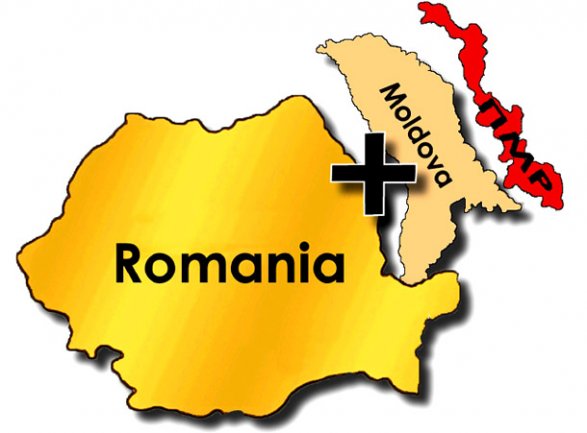
The results of a new sociological survey by iData (conducted August 7–16, 2025) have been published in Moldova, showing contradictory attitudes among citizens toward key issues of the country’s foreign policy course.
Thus, 61.5% of Moldovan residents oppose the idea of unification with neighboring Romania, while only 31% are in favor. Support for integration into the European Union was expressed by 57.1% of respondents, while 36.2% were against. Only 30.8% of respondents support joining the North Atlantic Alliance, while 60% are strongly opposed.
The results indicate that Moldovan society remains divided over key geopolitical questions. While the course toward the European Union still enjoys relative majority support, ideas of closer integration with Romania and especially joining NATO do not receive broad approval.
Experts note that these attitudes are shaped by several factors:
- historical memory and the Soviet legacy, which reinforce caution toward an alliance with Romania;
- fears of being drawn into military conflicts in case of NATO membership;
- at the same time — the aspiration for economic stability and European standards, which are associated with EU membership.
It can be said that Moldovan society demonstrates a model of “selective integration”: the population wants European standards and economic support but is not ready for radical political or military alliances. This poses a difficult task for the Moldovan government — balancing between the EU, Romania, and the need to take into account the views of a significant part of the population that remains skeptical or pro-Russian.


 Latest news
Latest news
Latest newsBulgaria Asks NATO to Strengthen Its Defences Amid Black Sea Threats: Sofia Fears Growing Risks to Maritime Shipping
16.Oct.2026
Black Sea Shipping Risks Threaten Bulgaria’s 5 Million Tonnes of Wheat Exports
15.Oct.2026
Georgia’s Foreign Funding and Political Ban Laws Draw Criticism from the Venice Commission
15.Oct.2026
Kazakhstan Promotes a Caspian Green Energy Corridor: Astana Seeks New Routes to the European Market
14.Oct.2026
Inflation in Romania Accelerates to 6.61%: Rising Prices Increase Pressure on Households and the Economy
13.Oct.2026
Can Europe Protect the International Criminal Court from Trump’s Sanctions?
13.Oct.2026
Georgia’s Constitutional Court Continues Case on Banning Opposition Parties: Political Pluralism at Stake
12.Oct.2026
Azerbaijan and Iran Step Up Security Contacts Amid Hijab Protests
12.Oct.2026
Personnel Shortages Complicate Ukrainian Forces’ Rotation: Ukraine Faces Long-Term Challenges on the Front Line
11.Oct.2026
Trump Eases Sanctions on Russian Fuel After Talks with Putin: Kyiv Fears Boost to Moscow’s War Revenues
10.Oct.2026
Putin Seeks to Strengthen Russia’s Influence in the Post-Soviet Space Through the CIS
10.Oct.2026
Russia and the South Caucasus: External Pressure, Political Competition and a Crisis of Trust
10.Oct.2026
Peaceful Settlement Between Armenia and Azerbaijan: Moving from Declarations to Implementation
10.Oct.2026
Moldova Ready to Accept as Many Ukrainians as Necessary if Situation Worsens This Winter
09.Oct.2026
Turkmenistan Turns Avaza into a Regional Diplomatic Hub as Caspian, Central Asian and CIS Agendas Converge
08.Oct.2026