
 17 Oct 2026









U.S. to end sanctions waivers allowing some work at Iran nuclear sites
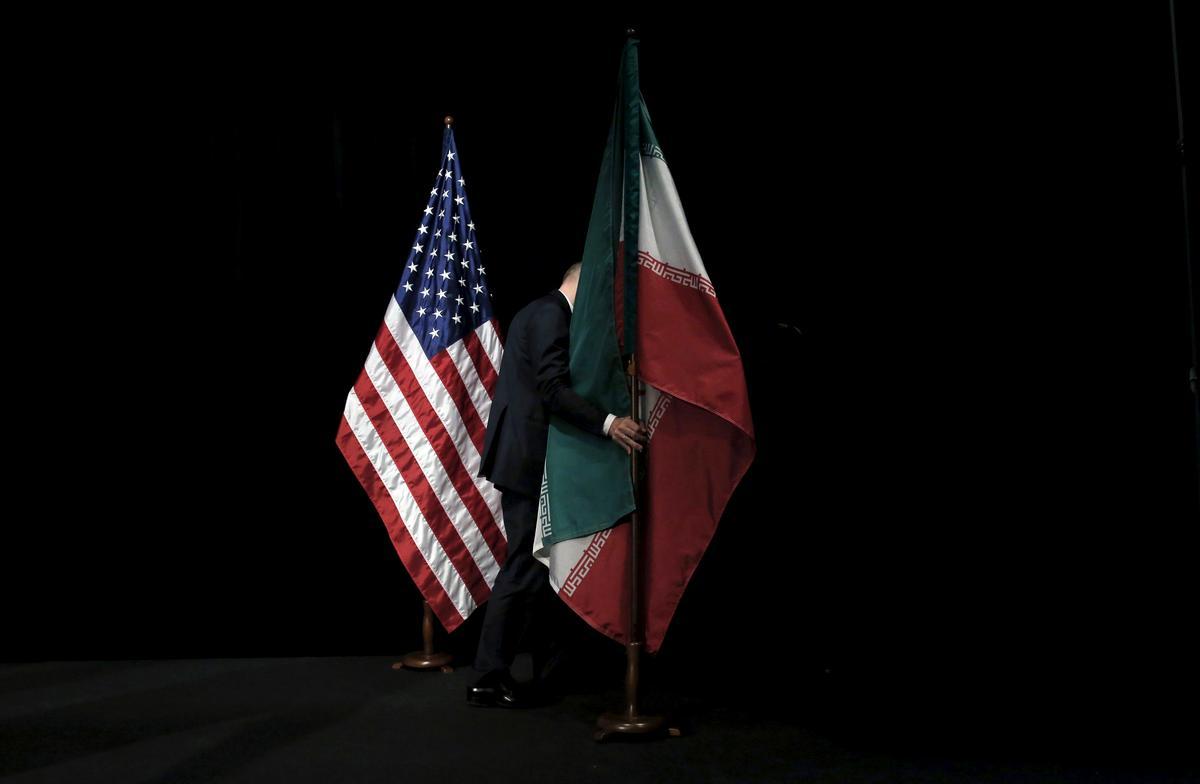
The United States said on Wednesday it will terminate sanctions waivers that had allowed Russian, Chinese and European companies to carry out work originally designed to make it harder for Iranian nuclear sites to be used for weapons development, as Reuters reported.
The waivers, which officials said expire on July 27, covered the conversion of Iran’s Arak heavy water research reactor, the provision of enriched uranium for its Tehran Research Reactor and the transfer of spent and scrap reactor fuel abroad.
In a statement, U.S. Secretary of State Mike Pompeo gave no precise justification for the move, which will halt some work originally designed to make it more difficult for Iran to potentially develop fissile material for nuclear bombs.
However, Pompeo said Washington would extend for 90 days a waiver allowing foreign work at a Russian-built nuclear power plant at Bushehr to ensure safety.
The wider decision seemed aimed at tightening the U.S. “maximum pressure” policy applied since Washington abandoned the 2015 Iran nuclear deal two years ago. That deal eased economic sanctions on Iran in return for curbs on its nuclear program.
“Because of our pressure, Iran’s leaders are facing a decision: either negotiate with us or manage economic collapse,” U.S. Special Representative for Iran Brian Hook told reporters.
Since the U.S. withdrawal and the revival of U.S. sanctions to cut Iran’s oil exports, Tehran has boosted its nuclear work in what analysts see as an effort to change U.S. policy or increase Iranian leverage in any negotiation.
“The Iranian regime has continued its nuclear brinkmanship by expanding proliferation sensitive activities,” Pompeo said, adding this “will lead to increased pressure on Iran.”
Pompeo announced U.S. sanctions on Atomic Energy Organization of Iran officials Majid Agha’i and Amjad Sazgar, whom he accused of potentially contributing to the spread of weapons of mass destruction.


 Latest news
Latest news
Latest newsBulgaria Asks NATO to Strengthen Its Defences Amid Black Sea Threats: Sofia Fears Growing Risks to Maritime Shipping
16.Oct.2026
Black Sea Shipping Risks Threaten Bulgaria’s 5 Million Tonnes of Wheat Exports
15.Oct.2026
Georgia’s Foreign Funding and Political Ban Laws Draw Criticism from the Venice Commission
15.Oct.2026
Kazakhstan Promotes a Caspian Green Energy Corridor: Astana Seeks New Routes to the European Market
14.Oct.2026
Inflation in Romania Accelerates to 6.61%: Rising Prices Increase Pressure on Households and the Economy
13.Oct.2026
Can Europe Protect the International Criminal Court from Trump’s Sanctions?
13.Oct.2026
Georgia’s Constitutional Court Continues Case on Banning Opposition Parties: Political Pluralism at Stake
12.Oct.2026
Azerbaijan and Iran Step Up Security Contacts Amid Hijab Protests
12.Oct.2026
Personnel Shortages Complicate Ukrainian Forces’ Rotation: Ukraine Faces Long-Term Challenges on the Front Line
11.Oct.2026
Trump Eases Sanctions on Russian Fuel After Talks with Putin: Kyiv Fears Boost to Moscow’s War Revenues
10.Oct.2026
Putin Seeks to Strengthen Russia’s Influence in the Post-Soviet Space Through the CIS
10.Oct.2026
Russia and the South Caucasus: External Pressure, Political Competition and a Crisis of Trust
10.Oct.2026
Peaceful Settlement Between Armenia and Azerbaijan: Moving from Declarations to Implementation
10.Oct.2026
Moldova Ready to Accept as Many Ukrainians as Necessary if Situation Worsens This Winter
09.Oct.2026
Turkmenistan Turns Avaza into a Regional Diplomatic Hub as Caspian, Central Asian and CIS Agendas Converge
08.Oct.2026