
 17 Oct 2026









Baltics Warn: “Russian Occupation Is Never Temporary”
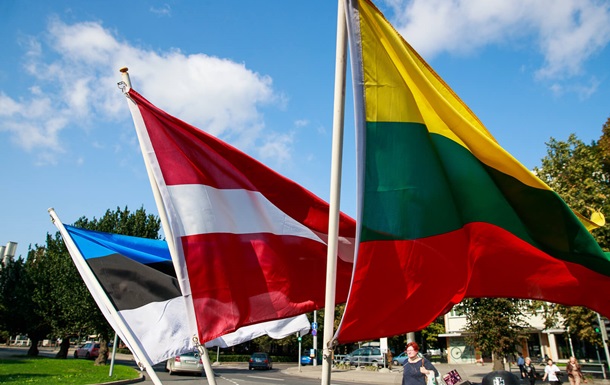
On August 13, 2025, the foreign ministers of Lithuania,
Latvia, and Estonia published a joint op-ed in The Financial Times urging the West to reject any territorial
concessions to Russia in exchange for ending the war in Ukraine.
The diplomats reminded readers that in their countries’
history, the “temporary” occupation by the USSR in 1940 turned into half a
century of repression, deportations, and forced Russification.
“Even with the non-recognition of annexation by the United States and Europe, it did not save our people from tragedy. That is why we know: Russian occupation is never temporary”, the statement reads.
In 1940, the USSR, acting in alliance with Nazi Germany
under the Molotov–Ribbentrop Pact, seized Lithuania, Latvia, and Estonia. The
West formally did not recognize this annexation, but decades of violence and
suppression of national identity became the reality for millions of people.
The Baltic ministers draw a direct parallel with Ukraine, where, in their words, “the occupation is already accompanied by torture, propaganda, abductions, and the forced integration of children”.
It is estimated that around 6 million Ukrainians are under Russian control. In the occupied
territories, there are widespread reports of repression. Abducted children are
being integrated into the Russian educational and cultural system. In addition,
propaganda and censorship have replaced free media.
The stories of Bucha, Irpin, and Mariupol, according to the
diplomats, are “modern analogues” of Stalin’s crimes.
The Baltic ministers call for unity of the transatlantic
community in supporting Ukraine, maximum military and economic assistance, and
investments in Europe’s long-term security.
“Strength is the only language the aggressor understands. Any concessions will only lead to new wars”.
Historically, the Baltic states have viewed Russia as an
existential threat. Their 20th-century experience has shaped an extremely realistic
– and often pessimistic – view of international diplomacy with Moscow.
The Financial Times op-ed is aimed primarily at Western elites, where voices advocating “peace through compromise” are becoming increasingly loud. Lithuania, Latvia, and Estonia, as NATO’s front-line states, fear that allowing territorial concessions in Ukraine will open the way for Russia to test the resilience of NATO’s Article 5. For the Baltics, the war in Ukraine is not a local conflict but a battle for the entire architecture of European security.
14.08.2025 06:06


 Latest news
Latest news
Latest newsBulgaria Asks NATO to Strengthen Its Defences Amid Black Sea Threats: Sofia Fears Growing Risks to Maritime Shipping
16.Oct.2026
Black Sea Shipping Risks Threaten Bulgaria’s 5 Million Tonnes of Wheat Exports
15.Oct.2026
Georgia’s Foreign Funding and Political Ban Laws Draw Criticism from the Venice Commission
15.Oct.2026
Kazakhstan Promotes a Caspian Green Energy Corridor: Astana Seeks New Routes to the European Market
14.Oct.2026
Inflation in Romania Accelerates to 6.61%: Rising Prices Increase Pressure on Households and the Economy
13.Oct.2026
Can Europe Protect the International Criminal Court from Trump’s Sanctions?
13.Oct.2026
Georgia’s Constitutional Court Continues Case on Banning Opposition Parties: Political Pluralism at Stake
12.Oct.2026
Azerbaijan and Iran Step Up Security Contacts Amid Hijab Protests
12.Oct.2026
Personnel Shortages Complicate Ukrainian Forces’ Rotation: Ukraine Faces Long-Term Challenges on the Front Line
11.Oct.2026
Trump Eases Sanctions on Russian Fuel After Talks with Putin: Kyiv Fears Boost to Moscow’s War Revenues
10.Oct.2026
Putin Seeks to Strengthen Russia’s Influence in the Post-Soviet Space Through the CIS
10.Oct.2026
Russia and the South Caucasus: External Pressure, Political Competition and a Crisis of Trust
10.Oct.2026
Peaceful Settlement Between Armenia and Azerbaijan: Moving from Declarations to Implementation
10.Oct.2026
Moldova Ready to Accept as Many Ukrainians as Necessary if Situation Worsens This Winter
09.Oct.2026
Turkmenistan Turns Avaza into a Regional Diplomatic Hub as Caspian, Central Asian and CIS Agendas Converge
08.Oct.2026