
 17 Oct 2026









Pashinyan Visits Russia for Environmental Forum Amid Tense Relations Between Yerevan and Moscow
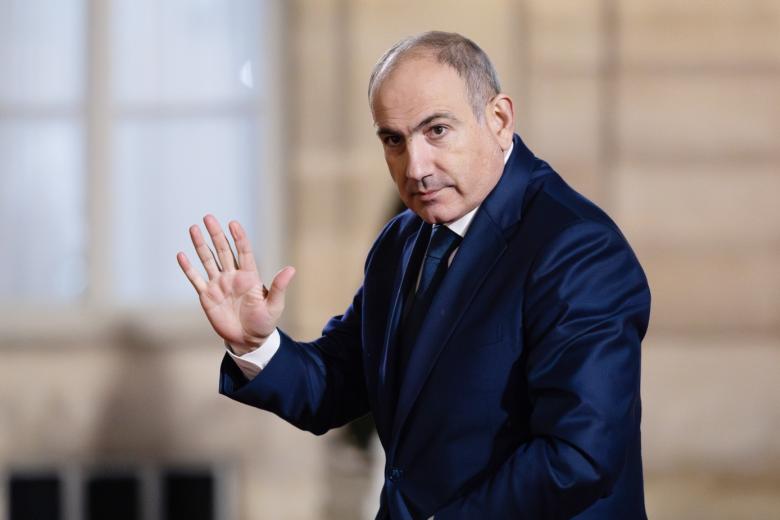
Armenian Prime Minister Nikol Pashinyan has arrived in Russia to attend an environmental
forum in Siberia. The visit came as a surprise against the backdrop of
increasingly strained relations between Armenia and Russia, driven by Yerevan’s
pivot toward the West, criticism of Russian peacekeepers in Nagorno-Karabakh,
and discussions about Armenia’s possible withdrawal from the CSTO.
The official agenda of the trip is stated as participation
in an “international forum on
environmental policy and climate change”. However, according to sources
in Armenian and Russian diplomatic circles, informal meetings between Pashinyan and Kremlin representatives are not
ruled out, which could become an attempt to restore at least working
channels of dialogue.
The environmental theme provides Pashinyan with a convenient
pretext to visit Russia without
declaring the trip as officially political. This helps him avoid
criticism from the pro-Western segment of Armenian society, where visits to
Moscow are now seen as a step backward.
For the Kremlin, Pashinyan’s visit is an opportunity to gauge Armenia’s willingness to compromise and
keep it within Moscow’s sphere of influence. For Yerevan, it is a chance
to assess whether Russia is ready to
make concessions, for instance, on border security or arms supplies.
In recent months, Armenia has been actively strengthening
ties with France, the U.S., and the EU
(military contracts, economic aid, and discussions on European integration).
The visit to Russia may be an attempt to balance between East and West to avoid a complete break with
Moscow, which could be risky in terms of military security.
Pashinyan also needs to demonstrate that he is in control of all foreign policy directions.
Showing an independent diplomatic course may bolster his position domestically,
where the opposition accuses him of isolating Armenia.
The visit is unlikely to lead to a sudden warming of relations:
trust between Yerevan and Moscow has
been undermined, and Russia, preoccupied with the war in Ukraine, is
unlikely to offer Armenia serious security guarantees. However, such contacts
may become a first step toward freezing
the conflict of interests, provided both sides maintain a pragmatic
approach.


 Latest news
Latest news
Latest newsBulgaria Asks NATO to Strengthen Its Defences Amid Black Sea Threats: Sofia Fears Growing Risks to Maritime Shipping
16.Oct.2026
Black Sea Shipping Risks Threaten Bulgaria’s 5 Million Tonnes of Wheat Exports
15.Oct.2026
Georgia’s Foreign Funding and Political Ban Laws Draw Criticism from the Venice Commission
15.Oct.2026
Kazakhstan Promotes a Caspian Green Energy Corridor: Astana Seeks New Routes to the European Market
14.Oct.2026
Inflation in Romania Accelerates to 6.61%: Rising Prices Increase Pressure on Households and the Economy
13.Oct.2026
Can Europe Protect the International Criminal Court from Trump’s Sanctions?
13.Oct.2026
Georgia’s Constitutional Court Continues Case on Banning Opposition Parties: Political Pluralism at Stake
12.Oct.2026
Azerbaijan and Iran Step Up Security Contacts Amid Hijab Protests
12.Oct.2026
Personnel Shortages Complicate Ukrainian Forces’ Rotation: Ukraine Faces Long-Term Challenges on the Front Line
11.Oct.2026
Trump Eases Sanctions on Russian Fuel After Talks with Putin: Kyiv Fears Boost to Moscow’s War Revenues
10.Oct.2026
Putin Seeks to Strengthen Russia’s Influence in the Post-Soviet Space Through the CIS
10.Oct.2026
Russia and the South Caucasus: External Pressure, Political Competition and a Crisis of Trust
10.Oct.2026
Peaceful Settlement Between Armenia and Azerbaijan: Moving from Declarations to Implementation
10.Oct.2026
Moldova Ready to Accept as Many Ukrainians as Necessary if Situation Worsens This Winter
09.Oct.2026
Turkmenistan Turns Avaza into a Regional Diplomatic Hub as Caspian, Central Asian and CIS Agendas Converge
08.Oct.2026