
 17 Oct 2026









Russia Is Shaping a New State Ideology Called the “Russian Dream”
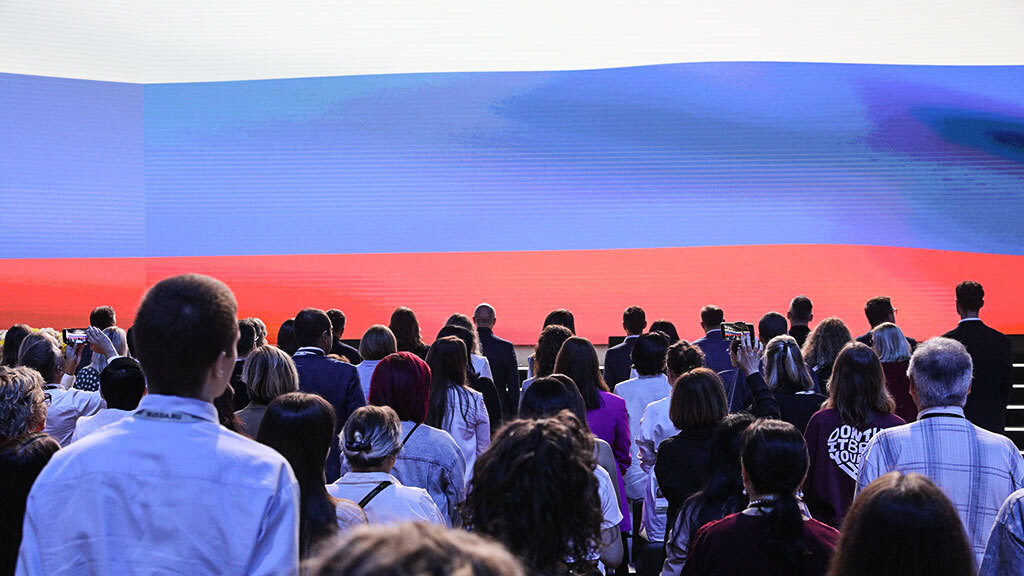
A new ideological platform, the “Russian Dream”, is gaining momentum in Russian political circles.
Experts describe it as an attempt to officially legalize a state ideology,
directly linked to increasing control over public opinion and the search for a
new national idea after a prolonged political and economic crisis.
According to the first public statements by the project’s
initiators, the ideology is based on Slavophile
principles, Orthodox tradition, and the “eastern roots” of Russian civilization.
This approach is positioned as an alternative
to Western liberal values, which are portrayed as symbols of the
“degeneration of the West”.
Officials have not yet provided a clear definition of what
the “Russian Dream” will entail. However, political analysts argue that the
project seeks to establish a new “social
contract” between the state and the population, where loyalty will be exchanged for “stability,
spiritual values, and national pride”.
The “Russian Dream” is clearly intended to replace the now
unpopular slogans of the “Russian World” and Eurasian integration. The Kremlin
is trying to relaunch its narrative of
a “special path” amid international isolation and a declining standard
of living.
The emphasis on “eastern roots” demonstrates Russia’s
continued pivot towards China, Iran,
and other eastern partners. The ideological proximity to Confucian and
Islamic governance models – emphasizing tradition, collectivism, and strong
statehood – could form the basis for creating a new bloc of authoritarian states.
The creation of an explicit ideology suggests that the Kremlin
seeks to institutionalize propaganda
in order to secure long-term public support. The “Russian Dream” could become
an ideological filter for media,
education, and culture.
However, the Slavophile rhetoric may cause tension among Russia’s non-Russian ethnic groups, particularly in Muslim-majority republics, raising doubts about its universality as a nationwide ideology. If the “Russian Dream” is formally adopted, it could become the first officially codified state ideology since the collapse of the USSR. The key question is whether it can remain viable amid economic decline and growing regional discontent.
Expert Group CCBS


 Latest news
Latest news
Latest newsBulgaria Asks NATO to Strengthen Its Defences Amid Black Sea Threats: Sofia Fears Growing Risks to Maritime Shipping
16.Oct.2026
Black Sea Shipping Risks Threaten Bulgaria’s 5 Million Tonnes of Wheat Exports
15.Oct.2026
Georgia’s Foreign Funding and Political Ban Laws Draw Criticism from the Venice Commission
15.Oct.2026
Kazakhstan Promotes a Caspian Green Energy Corridor: Astana Seeks New Routes to the European Market
14.Oct.2026
Inflation in Romania Accelerates to 6.61%: Rising Prices Increase Pressure on Households and the Economy
13.Oct.2026
Can Europe Protect the International Criminal Court from Trump’s Sanctions?
13.Oct.2026
Georgia’s Constitutional Court Continues Case on Banning Opposition Parties: Political Pluralism at Stake
12.Oct.2026
Azerbaijan and Iran Step Up Security Contacts Amid Hijab Protests
12.Oct.2026
Personnel Shortages Complicate Ukrainian Forces’ Rotation: Ukraine Faces Long-Term Challenges on the Front Line
11.Oct.2026
Trump Eases Sanctions on Russian Fuel After Talks with Putin: Kyiv Fears Boost to Moscow’s War Revenues
10.Oct.2026
Putin Seeks to Strengthen Russia’s Influence in the Post-Soviet Space Through the CIS
10.Oct.2026
Russia and the South Caucasus: External Pressure, Political Competition and a Crisis of Trust
10.Oct.2026
Peaceful Settlement Between Armenia and Azerbaijan: Moving from Declarations to Implementation
10.Oct.2026
Moldova Ready to Accept as Many Ukrainians as Necessary if Situation Worsens This Winter
09.Oct.2026
Turkmenistan Turns Avaza into a Regional Diplomatic Hub as Caspian, Central Asian and CIS Agendas Converge
08.Oct.2026