
 17 Oct 2026









Pragmatism Over Ideology: How the C5 Countries Are Shaping Their Geopolitics in the Era of Russia’s Decline
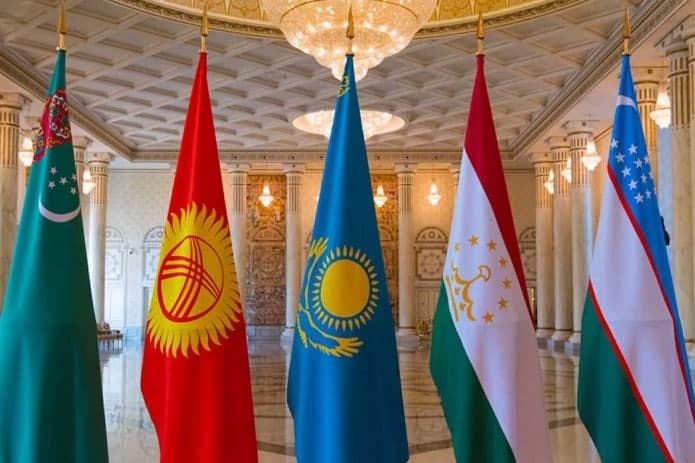
Following Russia’s invasion of Ukraine, the
Central Asian region – comprising Kazakhstan, Uzbekistan, Kyrgyzstan,
Tajikistan, and Turkmenistan (C5 countries) – has found itself in a unique
geopolitical position. Historically tied to Moscow, these nations are
increasingly asserting political independence, diplomatic activity, and a
flexible multi-vector strategy.
Official media in the region, however, have
largely avoided addressing the war in Ukraine, adopting a cautious – if not
entirely silent – stance. This restraint reflects a calculated course, in which
each country seeks to balance the interests of the West, China, Russia, and
their own developmental goals.
As Russia retreats from its role as the
“regional arbiter” (particularly since 2022), Central Asia has moved quickly to
identify new vectors of influence. Kazakhstan is deepening its ties with the
European Union and Turkey, signing investment agreements with China, and
diversifying its oil and gas export routes to bypass Russia. Uzbekistan has
taken on a more prominent role in the Shanghai Cooperation Organization and is
building southward transport hubs – through Afghanistan to Pakistan and the
Indian Ocean. Kyrgyzstan and Tajikistan, despite heavy economic dependence on
Russia (via remittances and trade), have begun cautiously exploring
alternatives, including aid programs from the EU, Turkey, and the World Bank.
Turkmenistan, traditionally isolated, has begun showing signs of soft
engagement by participating in logistics projects and regional forums.
This strategic shift shows that Central Asian
countries no longer view Russia as an exclusive guarantor of security or economic
patron. However, they are not severing ties outright – instead, they are opting
for a pragmatic recalibration.
Official media in Central Asia remain nearly
silent on the war in Ukraine. This is especially evident in Kazakhstan, where
the authorities seek not to provoke Moscow but have refused to recognize the
annexation of Ukrainian territories. State media relay only formal statements
with minimal detail. In Turkmenistan, there is an almost total absence of
coverage – not even brief mentions in international news summaries.
This caution in media coverage stems from
several factors: deep economic dependence on Russia (especially in Tajikistan
and Kyrgyzstan); concern over internal stability, as anti-war rhetoric might be
interpreted as anti-Russian and stir tension in countries with sizable
Russian-speaking populations; and the absence of a clear international
consensus on the conflict. As a result, these regimes prefer not to take sides
openly – allowing them to continue cooperation with both Russia and the West.
The countries most likely to benefit from the
current period are those that can navigate this complex environment with
agility. Kazakhstan, positioning itself as a regional "modernization
leader", is expanding its influence through multimodal transport corridors
and investment in IT, energy security, and logistics. Uzbekistan is
strengthening its role as a domestic reformer and an “Asian bridge” between the
southern and northern parts of Eurasia.
In this evolving landscape, Turkey and China are
emerging as new intermediaries in regional affairs – not through confrontation,
but through collaboration and soft power, gradually edging out Russia's
dominance.
Central Asia is no longer a battleground for
superpower rivalry, as often portrayed, but rather a space for nuanced regional
diplomacy. This is not an “anti-Russia” posture, nor is it a shift toward “new
dependency”. It is a deliberate choice for pragmatism over ideology.
While the world’s attention remains focused on Ukraine and Europe, the C5 countries are quietly but steadily redefining their geopolitical direction. Beneath the surface silence lie profound processes of rejecting Russia’s monopoly on influence and seeking new strategic balances. This is a historical moment of transformation – where the quiet speaks louder than the headlines.
Expert Group CCBS


 Latest news
Latest news
Latest newsBulgaria Asks NATO to Strengthen Its Defences Amid Black Sea Threats: Sofia Fears Growing Risks to Maritime Shipping
16.Oct.2026
Black Sea Shipping Risks Threaten Bulgaria’s 5 Million Tonnes of Wheat Exports
15.Oct.2026
Georgia’s Foreign Funding and Political Ban Laws Draw Criticism from the Venice Commission
15.Oct.2026
Kazakhstan Promotes a Caspian Green Energy Corridor: Astana Seeks New Routes to the European Market
14.Oct.2026
Inflation in Romania Accelerates to 6.61%: Rising Prices Increase Pressure on Households and the Economy
13.Oct.2026
Can Europe Protect the International Criminal Court from Trump’s Sanctions?
13.Oct.2026
Georgia’s Constitutional Court Continues Case on Banning Opposition Parties: Political Pluralism at Stake
12.Oct.2026
Azerbaijan and Iran Step Up Security Contacts Amid Hijab Protests
12.Oct.2026
Personnel Shortages Complicate Ukrainian Forces’ Rotation: Ukraine Faces Long-Term Challenges on the Front Line
11.Oct.2026
Trump Eases Sanctions on Russian Fuel After Talks with Putin: Kyiv Fears Boost to Moscow’s War Revenues
10.Oct.2026
Putin Seeks to Strengthen Russia’s Influence in the Post-Soviet Space Through the CIS
10.Oct.2026
Russia and the South Caucasus: External Pressure, Political Competition and a Crisis of Trust
10.Oct.2026
Peaceful Settlement Between Armenia and Azerbaijan: Moving from Declarations to Implementation
10.Oct.2026
Moldova Ready to Accept as Many Ukrainians as Necessary if Situation Worsens This Winter
09.Oct.2026
Turkmenistan Turns Avaza into a Regional Diplomatic Hub as Caspian, Central Asian and CIS Agendas Converge
08.Oct.2026