
 17 Oct 2026









European Parliament Urges Russia to Refrain from Pressuring Eastern Partnership Countries
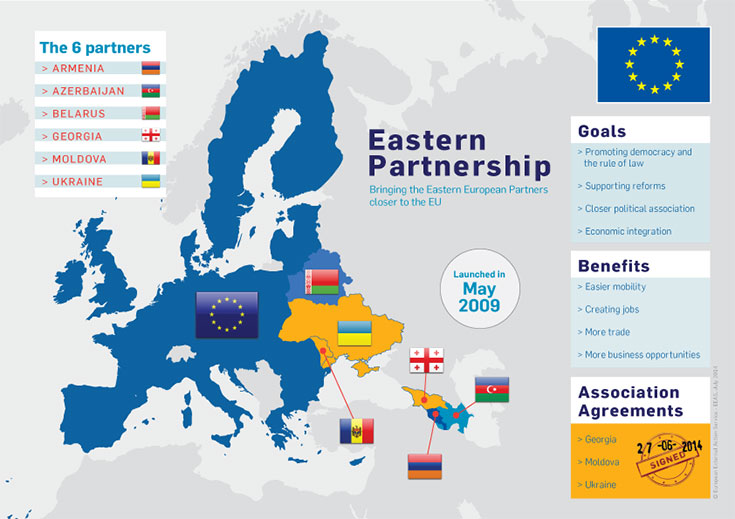
The European Parliament has adopted a resolution calling on
the Russian Federation to refrain from political, economic, and military
pressure on the countries of the Eastern Partnership. The document emphasizes
the right of Armenia, Azerbaijan, Georgia, Ukraine, Moldova, and Belarus to
independently choose their foreign policy course and path of development.
The adopted resolution is advisory in nature but reflects
the position of the majority of MEPs regarding Moscow’s growing influence in
the region. EU lawmakers expressed concern over “hybrid methods of influence”, including disinformation, economic restrictions, and security threats faced by
countries seeking closer ties with the EU.
Quote from the resolution:
“We support the sovereign right of Eastern Partnership countries to determine their foreign policy and urge the Russian Federation to cease attempts to impose influence through threats, coercion, or interference.”
The resolution also calls on the European Commission and the
European Council to step up economic and humanitarian support for states under
pressure, and to strengthen sanction mechanisms in the event of further
escalation by Russia.
The adopted resolution is not so much a legal tool as it is
a political signal directed at both Russia and the Eastern Partnership
countries. The EU is demonstrating its commitment to maintaining its role as a
guarantor of stability and free choice for post-Soviet countries—especially
amid the ongoing war in Ukraine and growing instability in the Caucasus.
Russia is losing strategic ground in the region. Since the
start of the war in Ukraine in 2022, trust in Moscow has significantly declined
in countries that were previously more aligned with it.
The EU aims to strengthen its "buffer zone" by
increasing support for countries such as Moldova and Georgia, which have chosen
the path of European integration but remain vulnerable to Russian influence.
Belarus is seen as a special case: despite its political
dependence on the Kremlin, Brussels still includes it in the list of countries
with "potential for democratic transformation".
Russia’s reaction is likely to be negative, including accusations of “interference in internal affairs” and attempts to undermine historical ties in the region. For Eastern Partnership countries, the resolution sends a signal that the EU remains invested in their sovereignty and is prepared to offer support under pressure. Moldova and Georgia, in particular, may use the resolution as a diplomatic lever to accelerate their integration with the EU.


 Latest news
Latest news
Latest newsBulgaria Asks NATO to Strengthen Its Defences Amid Black Sea Threats: Sofia Fears Growing Risks to Maritime Shipping
16.Oct.2026
Black Sea Shipping Risks Threaten Bulgaria’s 5 Million Tonnes of Wheat Exports
15.Oct.2026
Georgia’s Foreign Funding and Political Ban Laws Draw Criticism from the Venice Commission
15.Oct.2026
Kazakhstan Promotes a Caspian Green Energy Corridor: Astana Seeks New Routes to the European Market
14.Oct.2026
Inflation in Romania Accelerates to 6.61%: Rising Prices Increase Pressure on Households and the Economy
13.Oct.2026
Can Europe Protect the International Criminal Court from Trump’s Sanctions?
13.Oct.2026
Georgia’s Constitutional Court Continues Case on Banning Opposition Parties: Political Pluralism at Stake
12.Oct.2026
Azerbaijan and Iran Step Up Security Contacts Amid Hijab Protests
12.Oct.2026
Personnel Shortages Complicate Ukrainian Forces’ Rotation: Ukraine Faces Long-Term Challenges on the Front Line
11.Oct.2026
Trump Eases Sanctions on Russian Fuel After Talks with Putin: Kyiv Fears Boost to Moscow’s War Revenues
10.Oct.2026
Putin Seeks to Strengthen Russia’s Influence in the Post-Soviet Space Through the CIS
10.Oct.2026
Russia and the South Caucasus: External Pressure, Political Competition and a Crisis of Trust
10.Oct.2026
Peaceful Settlement Between Armenia and Azerbaijan: Moving from Declarations to Implementation
10.Oct.2026
Moldova Ready to Accept as Many Ukrainians as Necessary if Situation Worsens This Winter
09.Oct.2026
Turkmenistan Turns Avaza into a Regional Diplomatic Hub as Caspian, Central Asian and CIS Agendas Converge
08.Oct.2026