
 17 Oct 2026









Moldova to Host Largest Military Drills in Recent Years – Fire Shield 25
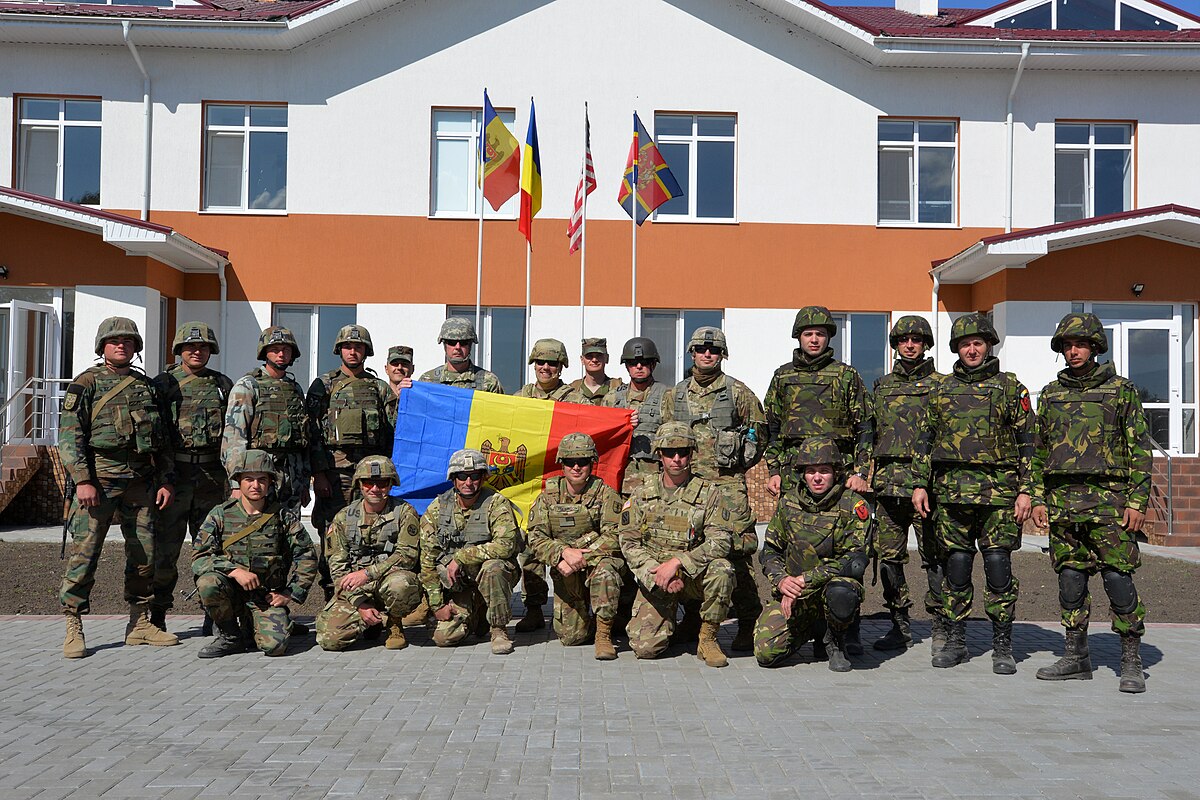
From
August 4 to 14, 2025,
Moldova will host the multinational military exercises Fire Shield 25 (translated from
Romanian as "Scutul de Foc 2025",
“Fire Shield 2025”). Units of the Moldovan National Army, the Romanian Armed Forces, and the U.S. Army will
take part in the maneuvers.
According to Moldova’s Ministry of Defense, the drills aim
to practice joint operations within
multinational missions, increase the combat readiness and coordination of
participating units, and improve transport and logistics in crisis situations.
Heavy
military convoys are expected to move actively along the country’s roads, and
training grounds in the north and south of the republic will be used. Residents
have been warned in advance about possible temporary traffic restrictions.
For Chișinău, these are the largest exercises in recent
years, and their organization serves several key purposes:
- demonstrating military modernization following recent deliveries of Western weaponry;
- sharing NATO partners’ experience, particularly in cyber
defense and artillery fire coordination;
- sending
a political signal of Moldova’s
pro-European course amid increasing pressure from pro-Russian
political forces.
Bucharest,
as a NATO member and Moldova’s main military partner, seeks to:
- strengthen
military cooperation with Moldova as a buffer state;
- show
its readiness to defend NATO’s
eastern flank;
- boost
its regional influence
against the backdrop of Russia’s declining presence.
For
Washington, participation in the drills is part of a broader strategy:
- containing Russia in the Black Sea region;
- testing troop mobility and logistical chains in Eastern
Europe;
- providing
political support to Maia Sandu’s
pro-Western government.
The Transnistrian region,
where Russian peacekeepers and armed formations are stationed, perceives such
drills as a threat to the
status quo. Tiraspol may step up its own military activities or
seek additional support from Russia.
Moscow is likely to strongly condemn the maneuvers, calling
them a provocation near Russian borders.
Possible responses include intensifying information warfare against Chișinău, strengthening pro-Russian political forces
in Moldova, and increasing pressure via Transnistria.
Maia Sandu and her PAS party use the drills as a demonstration of allied support and
a strong argument in the electoral campaign. However, the opposition – particularly
the Shor Party and
the Victory Bloc – will
likely accuse the government of “provoking conflict” and “dragging Moldova into war”.
If the exercises are successful, they will strengthen
Moldova’s position in EU accession negotiations and may accelerate the signing
of a bilateral security agreement with
Romania.
The Fire Shield 25 exercises are not merely military drills
but a political signal to the entire
region: Moldova is decisively moving away from its neutral
status and becoming part of the West’s collective security system. This strengthens its
international standing but simultaneously raises the risk of escalation with Transnistria and
Moscow.


 Latest news
Latest news
Latest newsBulgaria Asks NATO to Strengthen Its Defences Amid Black Sea Threats: Sofia Fears Growing Risks to Maritime Shipping
16.Oct.2026
Black Sea Shipping Risks Threaten Bulgaria’s 5 Million Tonnes of Wheat Exports
15.Oct.2026
Georgia’s Foreign Funding and Political Ban Laws Draw Criticism from the Venice Commission
15.Oct.2026
Kazakhstan Promotes a Caspian Green Energy Corridor: Astana Seeks New Routes to the European Market
14.Oct.2026
Inflation in Romania Accelerates to 6.61%: Rising Prices Increase Pressure on Households and the Economy
13.Oct.2026
Can Europe Protect the International Criminal Court from Trump’s Sanctions?
13.Oct.2026
Georgia’s Constitutional Court Continues Case on Banning Opposition Parties: Political Pluralism at Stake
12.Oct.2026
Azerbaijan and Iran Step Up Security Contacts Amid Hijab Protests
12.Oct.2026
Personnel Shortages Complicate Ukrainian Forces’ Rotation: Ukraine Faces Long-Term Challenges on the Front Line
11.Oct.2026
Trump Eases Sanctions on Russian Fuel After Talks with Putin: Kyiv Fears Boost to Moscow’s War Revenues
10.Oct.2026
Putin Seeks to Strengthen Russia’s Influence in the Post-Soviet Space Through the CIS
10.Oct.2026
Russia and the South Caucasus: External Pressure, Political Competition and a Crisis of Trust
10.Oct.2026
Peaceful Settlement Between Armenia and Azerbaijan: Moving from Declarations to Implementation
10.Oct.2026
Moldova Ready to Accept as Many Ukrainians as Necessary if Situation Worsens This Winter
09.Oct.2026
Turkmenistan Turns Avaza into a Regional Diplomatic Hub as Caspian, Central Asian and CIS Agendas Converge
08.Oct.2026