
 17 Oct 2026









The US and the Transport Corridor Through Armenia: A New Geopolitical Chess Game in the South Caucasus
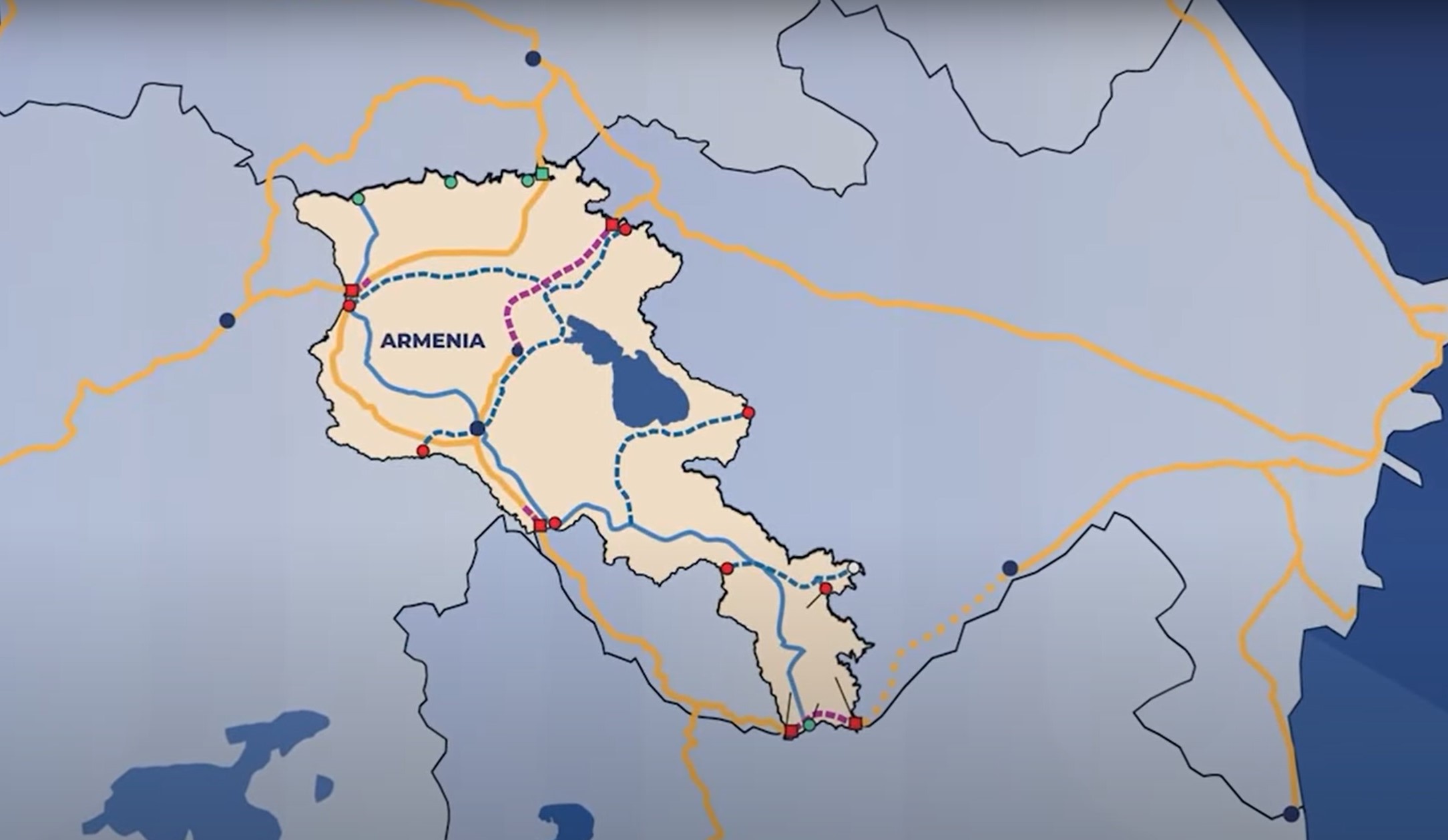
On July 16, 2025,
it was revealed that the United States had proposed taking control of a
transport corridor linking mainland Azerbaijan with the Nakhchivan exclave
through Armenia’s southern Syunik province. This proposal, though unexpected,
is a logical step given the shifting balance of power in the South Caucasus.
The corridor, known in Azerbaijan as the “Zangezur Corridor” and in Armenia as
part of the “Crossroads of Peace”
initiative, has been a source of heated disputes for several years.
For Azerbaijan,
establishing a direct land connection to Nakhchivan and further to Turkey would
significantly reduce transportation costs and strengthen its position as a transit
hub between Europe and Asia. President Ilham
Aliyev views this project as a strategic victory and a symbol of the
unity of the Turkic world — “from Istanbul to Tashkent.” In addition, the
corridor would reduce Azerbaijan’s dependence on Iranian and Georgian routes
and enhance its regional influence.
For Armenia,
losing control over part of Syunik could effectively split the country into two
and deprive it of a strategically important link to Iran. Although the corridor
could theoretically generate revenue, Yerevan’s primary concern is maintaining
full control over its territory and avoiding becoming a mere transit route
under foreign administration. The Crossroads
of Peace initiative proposes the mutual opening of all communications,
which could turn Armenia into a regional logistics hub without compromising its
sovereignty.
American management of the corridor could serve as a
security guarantee and reduce the risk of direct clashes between Armenian and
Azerbaijani forces. Washington is clearly seeking to strengthen its presence in
the region, displacing Moscow and Tehran from key logistical projects. The
United States is also interested in supporting the so-called “Middle Corridor,” which connects
Europe and China while bypassing Russia.
Moscow perceives the US
initiative as a direct challenge. Until now, Russian peacekeepers were
considered the main potential guarantors of the corridor’s security. Weakening
Russia’s influence in the South Caucasus would deal a serious blow to its
regional standing.
Tehran is firmly
opposed to any format that might cut Armenia off from the Iranian border. For
Iran, the Armenian-Iranian connection is a strategic lifeline, and the growing
American presence to its north is viewed as a threat.
Ankara, on the other
hand, actively supports the project, as it would open a direct route to
Azerbaijan and further into Central Asia. Turkey is interested in rapid
implementation and is expected to exert both diplomatic and economic pressure
on Yerevan.
The United States is expected to actively lobby its
proposal, offering Yerevan security guarantees and economic incentives. A
possible compromise could involve mixed control and a package of mutual
concessions, such as the opening of the Armenian-Turkish border and the lifting
of certain sanctions. If implemented under international supervision, the
project could become an important step toward peaceful coexistence, but it
would also strengthen American influence in the region and provoke resistance
from Russia and Iran.
Thus, the US proposal to manage the transport corridor is not merely an infrastructure project but part of a much larger geopolitical game. The South Caucasus is turning into an arena of competition between global powers, and the outcome of this struggle will determine the region’s future for decades. For Azerbaijan, this is an opportunity to consolidate its military and political gains in Nagorno-Karabakh. For Armenia, it represents a difficult choice between preserving sovereignty and pursuing economic opportunities. For the United States, it is a chance to strengthen its position in a strategic region where the interests of the West, Russia, Turkey, and Iran intersect.


 Latest news
Latest news
Latest newsBulgaria Asks NATO to Strengthen Its Defences Amid Black Sea Threats: Sofia Fears Growing Risks to Maritime Shipping
16.Oct.2026
Black Sea Shipping Risks Threaten Bulgaria’s 5 Million Tonnes of Wheat Exports
15.Oct.2026
Georgia’s Foreign Funding and Political Ban Laws Draw Criticism from the Venice Commission
15.Oct.2026
Kazakhstan Promotes a Caspian Green Energy Corridor: Astana Seeks New Routes to the European Market
14.Oct.2026
Inflation in Romania Accelerates to 6.61%: Rising Prices Increase Pressure on Households and the Economy
13.Oct.2026
Can Europe Protect the International Criminal Court from Trump’s Sanctions?
13.Oct.2026
Georgia’s Constitutional Court Continues Case on Banning Opposition Parties: Political Pluralism at Stake
12.Oct.2026
Azerbaijan and Iran Step Up Security Contacts Amid Hijab Protests
12.Oct.2026
Personnel Shortages Complicate Ukrainian Forces’ Rotation: Ukraine Faces Long-Term Challenges on the Front Line
11.Oct.2026
Trump Eases Sanctions on Russian Fuel After Talks with Putin: Kyiv Fears Boost to Moscow’s War Revenues
10.Oct.2026
Putin Seeks to Strengthen Russia’s Influence in the Post-Soviet Space Through the CIS
10.Oct.2026
Russia and the South Caucasus: External Pressure, Political Competition and a Crisis of Trust
10.Oct.2026
Peaceful Settlement Between Armenia and Azerbaijan: Moving from Declarations to Implementation
10.Oct.2026
Moldova Ready to Accept as Many Ukrainians as Necessary if Situation Worsens This Winter
09.Oct.2026
Turkmenistan Turns Avaza into a Regional Diplomatic Hub as Caspian, Central Asian and CIS Agendas Converge
08.Oct.2026