
 17 Oct 2026









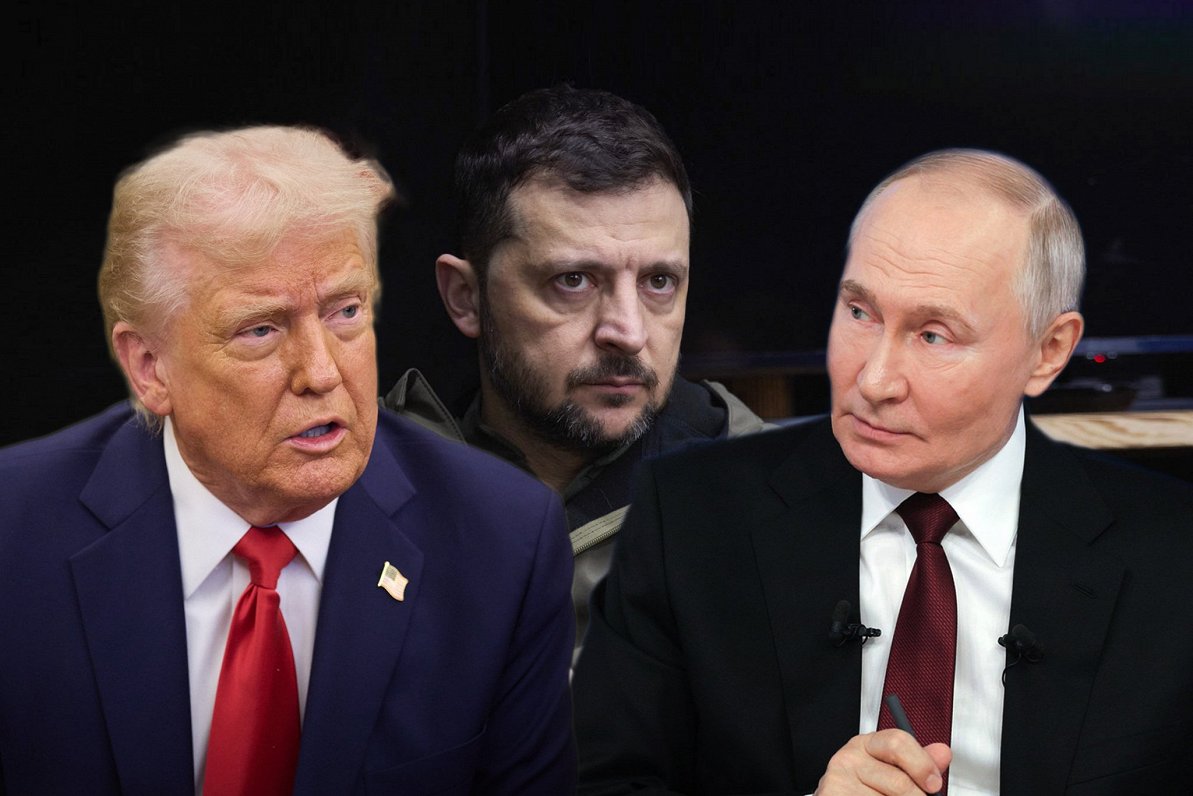
Massive Attack on Ukraine Follows Putin–Trump Call
On
the night of July 3–4, Russian forces launched one of the most massive attacks
since the beginning of the war, firing over 550 kamikaze drones and missiles
across Ukraine, including the capital, Kyiv, and several other major cities.
According to The Guardian, KyivPost, and Sky News, the strikes began shortly after a phone conversation between
Vladimir Putin and Donald Trump on July 3. While the content of
the call has not been disclosed officially, Ukrainian analysts and Western
media are linking the escalation to potential shifts in the U.S. stance on military aid to Ukraine.
As a result of the attacks at least 23
people were killed, dozens were injured, residential buildings and infrastructure were damaged,
including energy facilities, the Polish consulate building in Kyiv was partially
destroyed, prompting a sharp response from Warsaw and the EU’s foreign affairs
bodies.
The
attack involved a coordinated wave of Shahed drones, cruise missiles, and ballistic missiles.
Although Ukraine’s air defense systems managed to intercept a large number of
threats, the sheer scale of the assault was unprecedented, causing
destruction in multiple districts of the capital.
In response, the Ukrainian Armed Forces carried out a precision strike on
a Russian military command post in
the Kursk region. According to The Washington Post and Ukrainian
sources, the strike killed Colonel-General Mikhail Gudkov, one of the key
commanders of Russia’s Western Military District, along with several staff
officers.
The operation was reportedly conducted using long-range combat drones
and was part of Ukraine’s broader campaign to degrade Russia’s logistics, command, and control
infrastructure behind the frontlines.
Military experts view the elimination of Gudkov as a significant tactical victory for
Ukraine, especially amid intensifying battles in Sumy and Kharkiv regions.
In an emergency address to the nation, President Volodymyr Zelensky
stated that “Russia has committed a war crime against civilians”. Poland has demanded official
clarification through diplomatic channels, while the EU and NATO are convening
emergency meetings to address the situation.
This attack occurred against the backdrop of uncertainty surrounding U.S. military aid, which has been temporarily suspended by the Trump administration. In response, Ukraine is stepping up efforts to diversify arms supply lines, working more closely with Europe, Turkey, and Japan, and exploring local defense production options.


 Latest news
Latest news
Latest newsBulgaria Asks NATO to Strengthen Its Defences Amid Black Sea Threats: Sofia Fears Growing Risks to Maritime Shipping
16.Oct.2026
Black Sea Shipping Risks Threaten Bulgaria’s 5 Million Tonnes of Wheat Exports
15.Oct.2026
Georgia’s Foreign Funding and Political Ban Laws Draw Criticism from the Venice Commission
15.Oct.2026
Kazakhstan Promotes a Caspian Green Energy Corridor: Astana Seeks New Routes to the European Market
14.Oct.2026
Inflation in Romania Accelerates to 6.61%: Rising Prices Increase Pressure on Households and the Economy
13.Oct.2026
Can Europe Protect the International Criminal Court from Trump’s Sanctions?
13.Oct.2026
Georgia’s Constitutional Court Continues Case on Banning Opposition Parties: Political Pluralism at Stake
12.Oct.2026
Azerbaijan and Iran Step Up Security Contacts Amid Hijab Protests
12.Oct.2026
Personnel Shortages Complicate Ukrainian Forces’ Rotation: Ukraine Faces Long-Term Challenges on the Front Line
11.Oct.2026
Trump Eases Sanctions on Russian Fuel After Talks with Putin: Kyiv Fears Boost to Moscow’s War Revenues
10.Oct.2026
Putin Seeks to Strengthen Russia’s Influence in the Post-Soviet Space Through the CIS
10.Oct.2026
Russia and the South Caucasus: External Pressure, Political Competition and a Crisis of Trust
10.Oct.2026
Peaceful Settlement Between Armenia and Azerbaijan: Moving from Declarations to Implementation
10.Oct.2026
Moldova Ready to Accept as Many Ukrainians as Necessary if Situation Worsens This Winter
09.Oct.2026
Turkmenistan Turns Avaza into a Regional Diplomatic Hub as Caspian, Central Asian and CIS Agendas Converge
08.Oct.2026